Nutritious Beet Sweet Potato Quinoa Salad Recipe
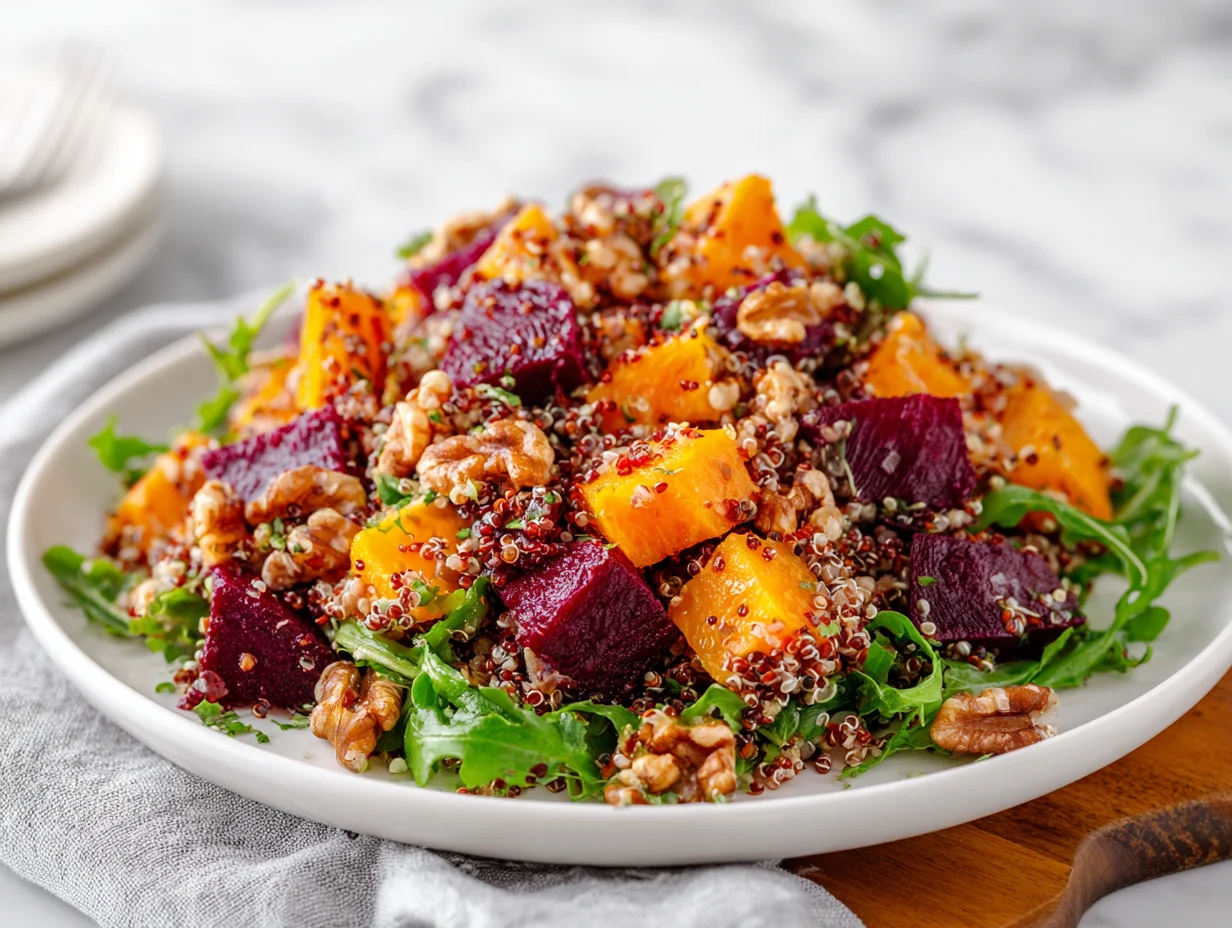
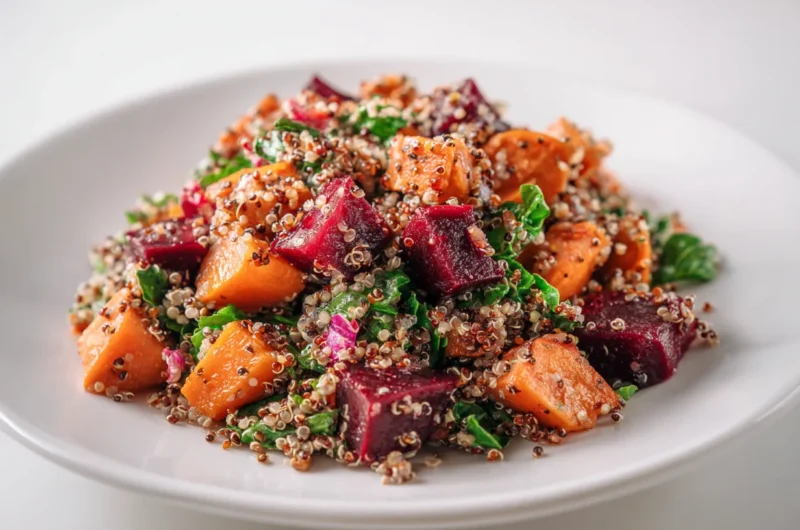
A vibrant bowl can transform how you think about healthy eating, and this Beet Sweet Potato Quinoa Salad does exactly that. With its deep ruby tones, golden roasted cubes, and fluffy quinoa, it’s not just visually stunning but nutritionally powerful. Every bite delivers a balance of earthy sweetness, subtle crunch, and refreshing brightness that keeps you coming back for more.
As a chef, I believe the best recipes combine simplicity with thoughtful technique. This salad is a perfect example it uses humble, wholesome ingredients but elevates them through proper roasting, seasoning, and layering of textures. It works beautifully as a light meal, a side dish, or even a meal-prep staple for busy weeks.
What sets this recipe apart is its versatility and depth. Whether you’re serving guests or nourishing yourself, this salad feels both indulgent and clean. It’s the kind of dish that proves healthy food can be deeply satisfying and restaurant-worthy.
👉 If you love nutrient-packed salads, try our Chickpea Feta Avocado Salad.
Texture Imbalance That Ruins Flavor Harmony
One of the most common mistakes in this recipe is overlooking texture balance. Many cooks focus only on flavor while ignoring how each ingredient feels in the mouth. When everything turns out too soft overcooked quinoa, mushy sweet potatoes, and overly tender beets the salad loses its character and becomes monotonous.
Another frequent issue is uneven roasting. Sweet potatoes that are undercooked lack caramelization, while over-roasted ones turn dry and crumbly. Similarly, beets can become too dense or overly soft if not timed properly. This inconsistency disrupts the harmony of the dish.
Improper quinoa preparation is also a major culprit. If quinoa is waterlogged or clumpy, it fails to provide the light, fluffy base needed to carry the other ingredients. Instead of enhancing the salad, it weighs it down.
Finally, skipping contrasting elements like crunch or acidity can flatten the dish. Without nuts, seeds, or a bright dressing, the salad feels incomplete and less engaging, both in taste and texture.
Refining Technique for Perfect Balance
To fix texture imbalance, start by roasting vegetables with intention. Cut sweet potatoes evenly and roast them at high heat until caramelized outside but tender inside. Beets should be roasted separately to control their doneness and prevent color bleeding.
Cook quinoa with precision using the correct water ratio and allow it to rest after cooking. Fluff it gently with a fork to maintain its light structure. This creates the perfect base that complements rather than dominates.
Incorporate contrasting textures deliberately. Add toasted nuts, seeds, or fresh greens to introduce crunch and freshness. These elements elevate the overall eating experience and prevent monotony.
Finish with a well-balanced dressing. A touch of acidity like lemon juice or vinegar brightens the dish and ties everything together. When each component is thoughtfully prepared, the salad transforms into a cohesive, refined creation.
Ingredients You’ll Need
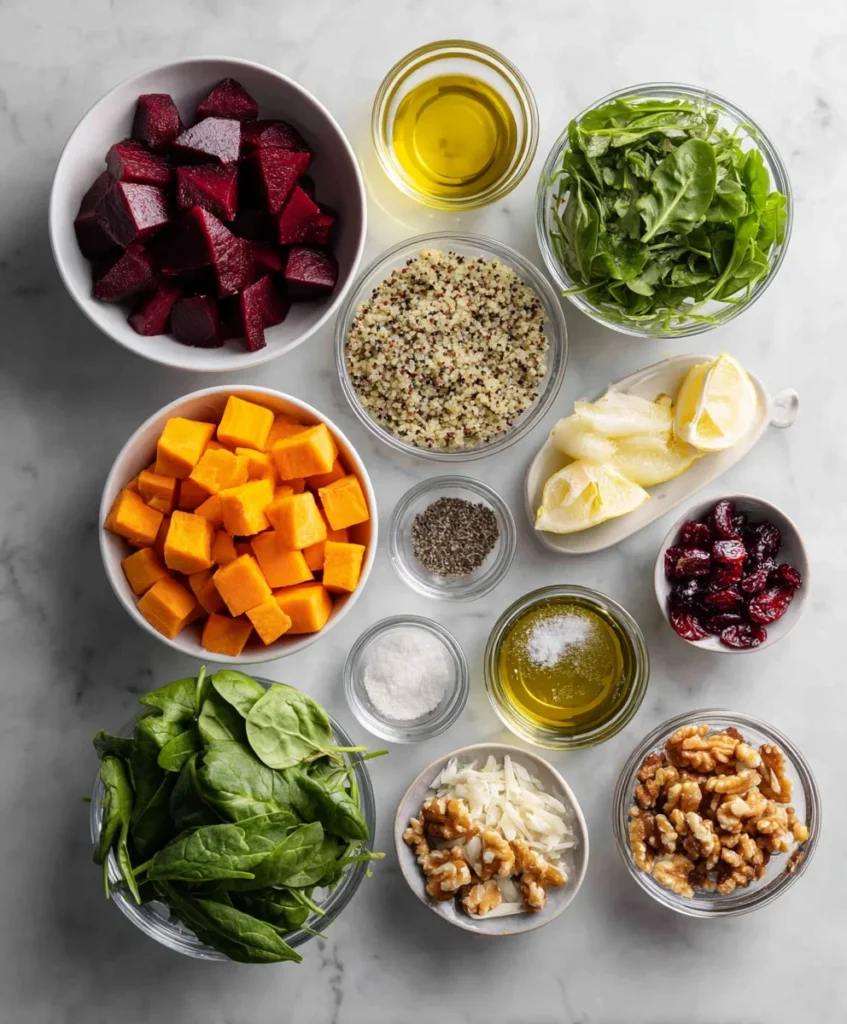
Base Ingredients:
- Quinoa (rinsed and cooked)
- Fresh beets (peeled and diced)
- Sweet potatoes (cubed)
- Olive oil
- Salt and black pepper
- Garlic (minced)
- Fresh spinach or arugula
Optional Add-ins:
- Feta cheese
- Toasted walnuts or almonds
- Pumpkin seeds
- Dried cranberries
- Lemon juice or balsamic vinegar
- Fresh herbs like parsley or mint
Step-by-Step Instructions
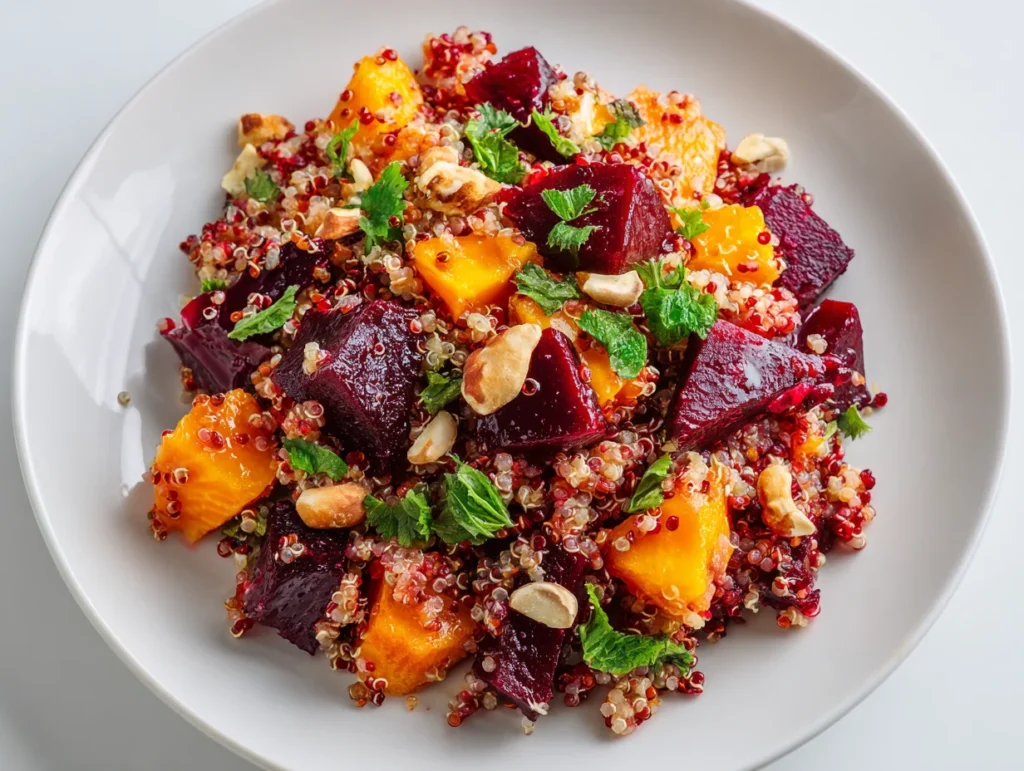
Step 1: Prepare and Roast Vegetables
Preheat your oven to 200°C and line a baking tray with parchment paper. Toss diced sweet potatoes with olive oil, salt, and pepper, ensuring even coating. Spread them in a single layer to allow proper caramelization. Roast for about 25 minutes, flipping halfway through for uniform browning.
In a separate tray, roast the beets with a light drizzle of oil and seasoning. Keeping them separate prevents color bleeding and ensures each vegetable develops its own flavor profile.
Step 2: Cook the Quinoa Perfectly
Rinse quinoa thoroughly under cold water to remove bitterness. In a saucepan, combine quinoa with water in a 1:2 ratio and bring to a gentle boil. Reduce heat, cover, and simmer until water is absorbed. Turn off heat and let it rest for 5 minutes before fluffing.
This resting step is crucial for achieving a light and airy texture. Avoid stirring while cooking, as it can make quinoa sticky and dense.
👉 For a hearty veggie-forward dish, check out Spring Quinoa Bowl.
Step 3: Build Layers of Flavor
In a large bowl, combine cooked quinoa with roasted vegetables. Add fresh greens like spinach for a refreshing contrast. Gently toss to distribute ingredients evenly without breaking the vegetables.
At this stage, you can fold in optional add-ins such as nuts, seeds, or dried fruits. These elements add complexity and elevate the salad from simple to gourmet quality.
Step 4: Finish with Dressing and Serve
Prepare a simple dressing using olive oil, lemon juice, salt, and pepper. Drizzle over the salad and toss lightly to coat. Taste and adjust seasoning as needed.
Serve slightly warm or at room temperature for the best flavor experience. Garnish with fresh herbs or crumbled cheese for a polished, professional finish that enhances both taste and presentation.
Cook Time
Total: 45 minutes
Prep: 15 minutes
Bake: 30 minutes
Servings
This recipe is designed to serve approximately four people as a main dish. The portion size is generous, making it ideal for lunch or a light dinner. Each serving provides a balanced combination of protein, fiber, and essential nutrients.
If served as a side dish, it can easily accommodate six portions. Its vibrant presentation makes it perfect for gatherings, potlucks, or festive meals where you want something both healthy and visually appealing.
For meal prep, divide the salad into individual containers for easy grab-and-go meals throughout the week. It maintains its flavor well, making it a practical and delicious option for busy lifestyles.
Makes approximately 4 main servings or 6 side servings
Nutritional Information (approx. per serving)
- Calories: 320 kcal
- Protein: 9 g
- Carbohydrates: 45 g
- Fiber: 8 g
- Fat: 12 g
- Vitamin A: High
- Iron: Moderate
This salad is rich in antioxidants, thanks to the beets, which support overall health and help reduce inflammation. Sweet potatoes contribute essential vitamins, particularly vitamin A, promoting eye and skin health.
Quinoa adds plant-based protein and fiber, making this dish both filling and nourishing. It helps maintain energy levels and supports digestion.
The combination of healthy fats and fresh ingredients ensures balanced nutrition, making it an excellent choice for those seeking a wholesome yet satisfying meal.
👉 Add more roasted vegetable inspiration with Roasted Beets Carrots Burrata Salad.
Storage Instructions
Store the salad in an airtight container in the refrigerator for up to four days. Keeping it sealed helps maintain freshness and prevents the absorption of other odors.
For best results, store the dressing separately and mix it just before serving. This prevents the greens from becoming soggy and preserves the texture of the ingredients.
If already mixed, give the salad a quick toss before serving to redistribute flavors. You may also add a splash of fresh lemon juice to revive its brightness.
Avoid freezing, as the texture of roasted vegetables and quinoa can deteriorate. Fresh storage ensures the best taste and consistency.
Suggestions
For added protein, consider including grilled chicken, chickpeas, or tofu. These options blend well without overpowering the core flavors of the salad.
Experiment with different dressings such as tahini-based or citrus vinaigrettes to create variation. Each dressing can bring a unique twist to the dish.
Serve the salad slightly warm during cooler months for a comforting feel. In warmer seasons, chill it lightly for a refreshing experience.
Pair it with crusty bread or a light soup to create a complete, satisfying meal suitable for any occasion.
Seasonal Relevance
This salad is especially ideal for autumn and winter when beets and sweet potatoes are at their peak. Their natural sweetness deepens during these seasons, enhancing the overall flavor.
In spring, you can lighten the dish by adding fresh herbs and greens. This creates a more vibrant and refreshing variation suited to warmer weather.
During summer, serve it chilled with a citrus-forward dressing. This adaptation makes it a cooling and hydrating meal option.
Its flexibility across seasons makes it a year-round favorite, easily adaptable to what’s fresh and available.
Finl Words
A well-crafted salad is more than just a mix of ingredients it’s a balance of flavor, texture, and technique. This recipe embodies that philosophy, delivering both nutrition and satisfaction in every bite.
By focusing on proper preparation and thoughtful combinations, you can elevate simple ingredients into something truly special. Attention to detail makes all the difference.
Whether you’re cooking for yourself or entertaining guests, this salad offers reliability and elegance. It’s a dish that consistently impresses without requiring complexity.
Master it once, and it becomes a staple in your kitchen versatile, nourishing, and always worth returning to.
👉 Explore creative sweet potato meals in Sweet Potatoes with Spinach Mushroom Feta and Rosemary.
Nutritious Beet Sweet Potato Quinoa Salad Recipe
4
servings15
minutes30
minutes320
kcalA vibrant and wholesome salad combining roasted beets, sweet potatoes, and fluffy quinoa. Packed with nutrients, balanced textures, and fresh flavors, this dish is perfect for a light meal, meal prep, or a colorful side.
👉 For a protein-packed quinoa twist, see Quinoa Sweet Potato Patties.
Ingredients
1 cup quinoa (rinsed)
2 medium beets (peeled and diced)
2 medium sweet potatoes (cubed)
2 tablespoons olive oil
2 cloves garlic (minced)
Salt and black pepper to taste
2 cups fresh spinach or arugula
1 tablespoon lemon juice or balsamic vinegar
Optional:
Feta cheese
Toasted walnuts or almonds
Pumpkin seeds
Dried cranberries
Fresh herbs (parsley or mint)
Directions
- Preheat oven to 200°C and line baking trays. Toss sweet potatoes with olive oil, salt, and pepper, then roast for 25 minutes, flipping halfway.
- Roast beets separately with oil and seasoning until tender.
- Cook quinoa with water (1:2 ratio), simmer until absorbed, then rest and fluff.
- Combine quinoa, roasted vegetables, and greens in a bowl.
- Add optional ingredients, drizzle dressing, toss gently, and serve.
Recipe Video
Notes
- Roast vegetables separately to maintain color and texture.
- Fluff quinoa after resting for best consistency
- Add dressing just before serving to keep ingredients fresh.
- Customize with proteins like chickpeas or grilled chicken.
Frequently Asked Questions
Can I make this salad ahead of time for events?
Yes, you can prepare it a day in advance. Store components separately for best results and combine before serving. This keeps textures fresh and flavors vibrant, ensuring the salad tastes just as good as when freshly made.
What can I use instead of quinoa?
You can substitute quinoa with couscous, bulgur, or brown rice. Each option offers a different texture but still complements the roasted vegetables well while maintaining a hearty and nutritious base.
How do I enhance the flavor without adding cheese?
Use toasted nuts, seeds, and a bold dressing with lemon or vinegar. Adding fresh herbs like parsley or mint also boosts flavor naturally without needing cheese, keeping the dish light and dairy-free.