Layered Butternut Squash Feta Towers Recipe
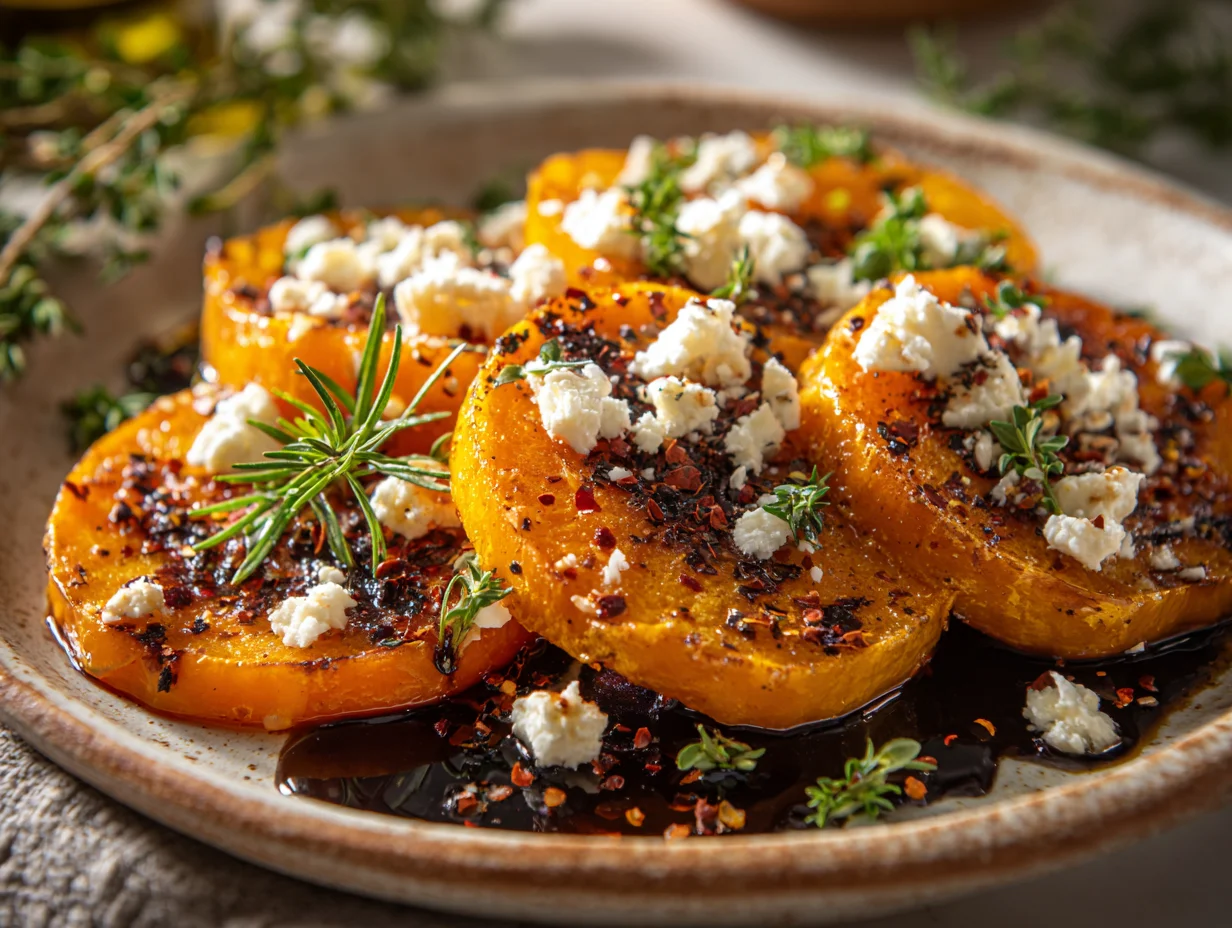
If there is one dish that proves vegetables can be as luxurious as any gourmet entrée, it is Butternut Squash Feta Towers. These elegant layered stacks combine natural sweetness, creamy saltiness, and roasted depth into a visually stunning and flavor-packed presentation.
Each layer of roasted butternut squash is carefully stacked with creamy feta, creating a balance of soft texture and bold savory contrast. When baked, the flavors merge beautifully, producing a dish that feels both rustic and refined at the same time.
This recipe is designed for those who appreciate restaurant-style plating with simple ingredients. Whether served as a main vegetarian dish or an impressive side, it brings warmth, sophistication, and comfort to any table with minimal effort but maximum impact.
👉 For a hearty twist on stuffed vegetables, try Stuffed Butternut Squash with Spinach Bacon Cheese.
Ingredients You’ll Need
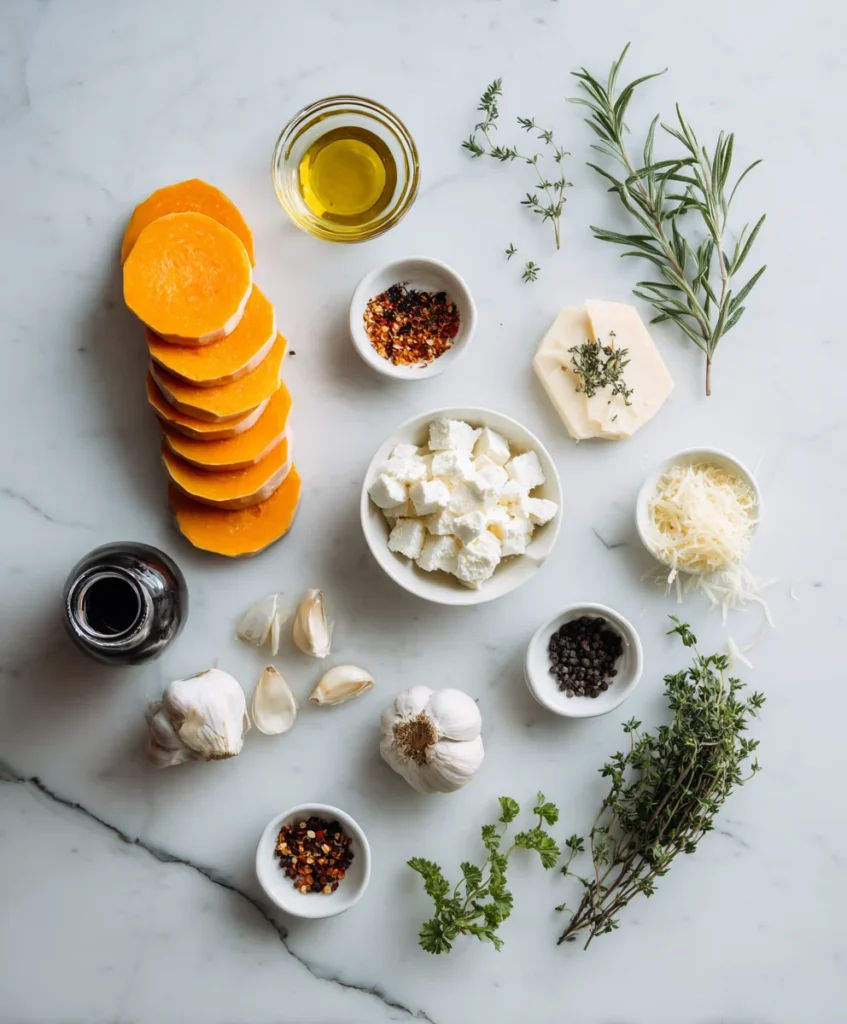
Butternut squash, peeled and sliced into even rounds
Feta cheese, crumbled or sliced
Olive oil
Garlic cloves, minced
Fresh thyme
Rosemary
Salt
Black pepper
Honey (optional for glaze)
Chili flakes (optional)
Balsamic glaze (for finishing)
Parmesan cheese (optional topping)
Fresh parsley for garnish
Step-by-Step Instructions
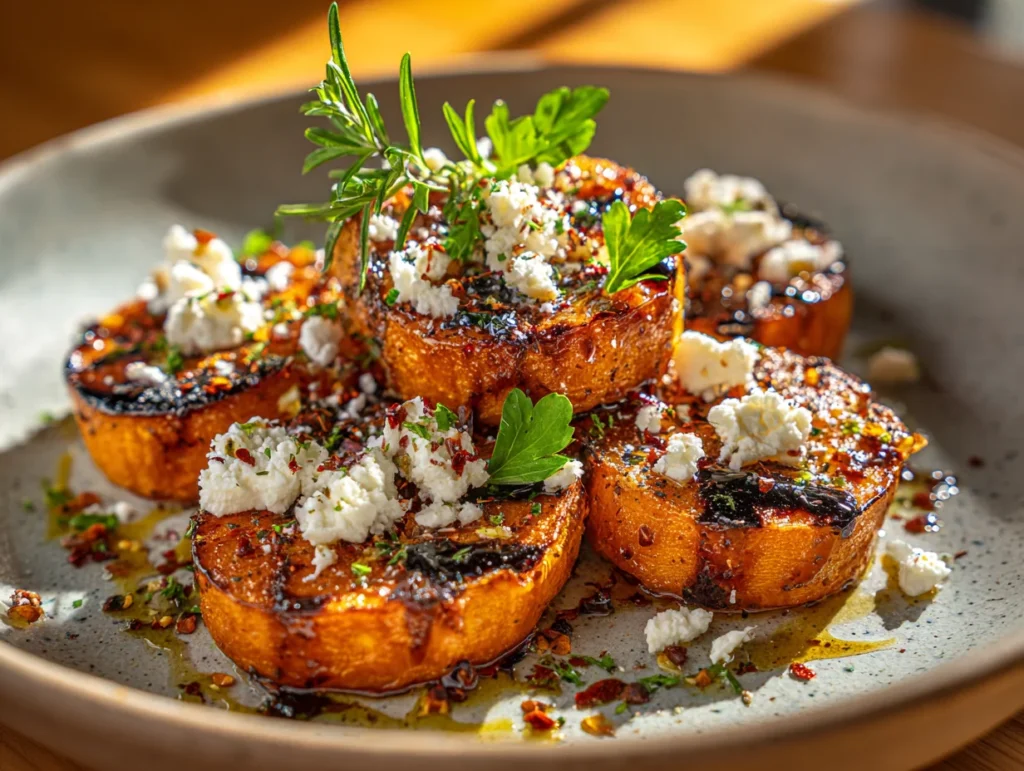
Step 1: Prepare and Roast the Squash
Start by peeling and slicing butternut squash into even round slices for uniform cooking. Lightly coat each slice with olive oil, salt, pepper, and a touch of garlic. Arrange on a baking tray and roast until tender and slightly caramelized. This step enhances the natural sweetness and creates a soft base for layering. Proper roasting is essential for building structure in Butternut Squash Feta Towers, ensuring each layer holds shape while maintaining a melt-in-mouth texture.
Step 2: Prepare the Flavor Layers
Once the squash is roasted, prepare feta by crumbling or slicing into thick, creamy layers. Mix olive oil with herbs like thyme and rosemary for added aroma. Lightly season feta with black pepper and optional chili flakes for depth. This combination balances the sweetness of squash with tangy saltiness. Each layer should be prepared carefully to ensure even distribution of flavor. This step builds the foundation of taste that defines the richness of the final layered structure.
Step 3: Assemble the Towers
Begin stacking by placing a roasted squash slice as the base, followed by a layer of feta. Repeat the process to form 3 to 4 layers depending on size. Press gently to maintain stability without breaking the structure. Drizzle a small amount of olive oil between layers for moisture. This step is where the visual elegance of Butternut Squash Feta Towers comes alive, creating a restaurant-quality presentation that is both structured and visually appealing.
👉 Add more layered vegetable flavors with Roasted Beet Feta Napoleons.
Step 4: Final Bake and Finishing Touch
Place assembled towers back into the oven for a short bake to allow flavors to meld together. Once done, drizzle with balsamic glaze or honey for a glossy finish. Sprinkle fresh herbs and optional parmesan for added depth. Allow the towers to rest slightly before serving so they set properly. This final step enhances both taste and presentation, delivering a perfectly balanced dish that is rich, aromatic, and visually impressive.
Cook Time
Total: 45–55 minutes
Prep: 15–20 minutes
Bake: 30–35 minutes
Servings
This recipe serves approximately 4 people as a main vegetarian dish or 6 people as a side dish. It is designed to be elegant yet filling, making it suitable for both casual dinners and special occasions.
Each serving contains neatly stacked layers that provide a satisfying combination of texture and flavor. The portion size is balanced to ensure richness without feeling overly heavy.
It works beautifully for shared dining experiences, where presentation and taste are equally important. Every plate feels thoughtfully crafted and visually appealing.
Makes approximately 4–6 beautifully layered towers depending on portion size.
Common Mistake That Used in This Recipe
One of the most common mistakes in making Butternut Squash Feta Towers is slicing squash unevenly, which leads to inconsistent roasting and unstable stacking. Thin slices may overcook while thick ones remain firm.
Another frequent issue is skipping proper roasting. Raw or under-roasted squash does not develop the sweetness and softness required for structural layering, resulting in a weak final dish.
Many cooks also overload feta between layers, which causes the towers to collapse during baking. Balance is key to maintaining structure and visual appeal.
Lastly, not allowing the towers to rest after baking can cause them to fall apart when served, reducing both presentation quality and texture harmony.
Write a Solution Common Mistake That Used in This Recipe
Always slice butternut squash into equal thickness to ensure even roasting. Using a mandoline slicer can help achieve precision and consistency.
Roast squash until lightly caramelized and tender. This step enhances natural sweetness and ensures each slice can support layering without breaking.
Use moderate feta layers instead of excessive amounts. Thin, even layers provide flavor without compromising structural stability.
Allow assembled towers to rest for a few minutes after baking. This helps the layers set properly and makes serving cleaner and more elegant.
Nutritional Information (approx. per serving)
- Calories: 220–280 kcal
- Protein: 8–10 g
- Fat: 14–18 g
- Carbohydrates: 18–22 g
- Fiber: 4–6 g
Butternut Squash Feta Towers offer a balanced vegetarian option rich in vitamins and minerals. Butternut squash provides vitamin A and antioxidants that support eye health and immunity.
Feta cheese adds protein and calcium, supporting bone strength and satiety. The combination creates a nutrient-dense dish with satisfying flavor.
This recipe is also relatively low in calories, making it suitable for light yet fulfilling meals that do not compromise taste.
👉 For a wholesome side, check out Beet Sweet Potato Quinoa Salad.
Storage Instructions
Store leftover Butternut Squash Feta Towers in an airtight container in the refrigerator for up to 3 days. Proper cooling before storage helps maintain texture.
Reheat gently in the oven rather than microwave to preserve structure and prevent sogginess. This keeps layers intact.
Avoid stacking towers while storing, as pressure can break the delicate structure. Store individually if possible.
For best quality, consume within a short period to enjoy optimal flavor and presentation.
Suggestions
Serve with a light green salad to balance the richness of feta and squash. The freshness enhances overall dining experience.
Add toasted nuts like walnuts or pine nuts for extra crunch and depth of flavor. This adds a gourmet touch.
Drizzle with balsamic glaze just before serving for enhanced sweetness and visual appeal.
Pair with grilled protein or grains for a complete and satisfying meal option.
Seasonal Relevance
This dish is perfect for autumn when butternut squash is at its peak sweetness and availability. It complements seasonal produce beautifully.
It also works well during winter as a warm, comforting vegetarian dish that feels hearty yet healthy.
In spring, it can be served in lighter portions as part of fresh seasonal menus.
During festive occasions, its elegant presentation makes it a standout centerpiece for vegetarian guests.
Final Words
Butternut Squash Feta Towers represent the art of turning simple ingredients into something visually stunning and deeply flavorful.
Every layer reflects balance, combining sweetness, saltiness, and aromatic herbs in perfect harmony.
This dish is a reminder that vegetarian cooking can be both elegant and satisfying when executed with care.
Once mastered, it becomes a signature recipe for special occasions and refined home dining.
👉 Try a savory sweet potato variation in Sweet Potatoes with Spinach Mushroom Feta and Rosemary.
Frequently Asked Questions
Can I prepare this dish ahead of time?
Yes, you can roast the squash and prepare feta layers in advance. Assemble and bake just before serving for best texture and presentation. This helps save time while maintaining freshness and structure.
What can I use instead of feta cheese?
You can use goat cheese or ricotta as alternatives. Goat cheese offers similar tanginess, while ricotta provides a milder, creamier texture. Both work well depending on your flavor preference and desired richness.
How do I keep the towers from falling apart?
Ensure squash slices are evenly roasted and not over-soft. Avoid excessive filling between layers. Let the towers rest after baking so they set properly before serving. This helps maintain structure and clean presentation.
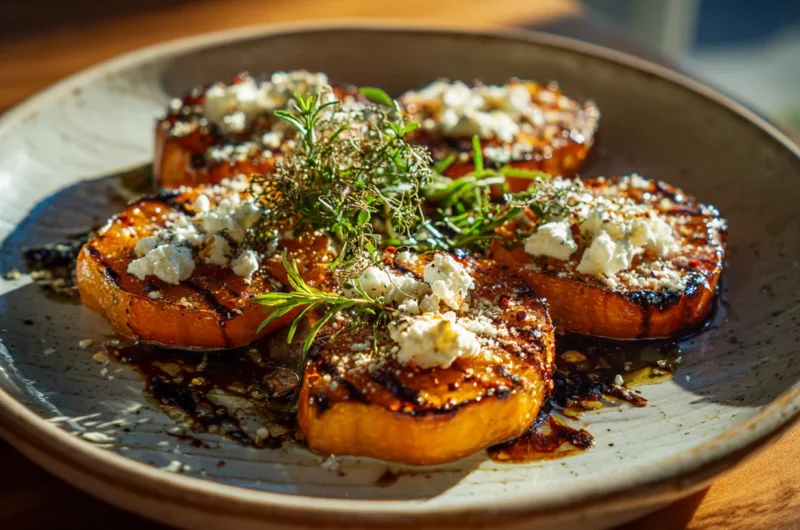
Layered Butternut Squash Feta Towers Recipe
4
servings15
minutes45
minutes345
kcalLayered Butternut Squash Feta Towers are elegant roasted squash stacks layered with creamy feta, herbs, and olive oil. This visually stunning vegetarian dish delivers a perfect balance of sweet, savory, and tangy flavors with a gourmet presentation ideal for special meals.
👉 For a colorful roasted vegetable option, see Roasted Beet Feta Stack.
Ingredients
Butternut squash (sliced into even rounds)
Feta cheese (crumbled or sliced)
Olive oil
Garlic (minced)
Fresh thyme
Rosemary
Salt
Black pepper
Honey (optional)
Chili flakes (optional)
Balsamic glaze
Parmesan cheese (optional)
Fresh parsley (for garnish)
Directions
- Peel and slice butternut squash into even rounds
- Coat with olive oil, salt, pepper, and garlic
- Roast until tender and slightly caramelized
- Prepare feta with herbs and seasoning
- Stack squash and feta alternately to form towers
- Drizzle olive oil between layers
- Bake briefly to set structure and blend flavors
- Finish with balsamic glaze and herbs
- Serve warm with clean plating
Notes
- Slice squash evenly for stable stacking
- Do not overcook squash before layering
- Use moderate feta to avoid collapsing towers
- Let towers rest before serving for better structure
- Balsamic glaze enhances flavor and presentation
- Best served fresh for optimal texture and taste