Slow Pulled Beef Brisket Recipe
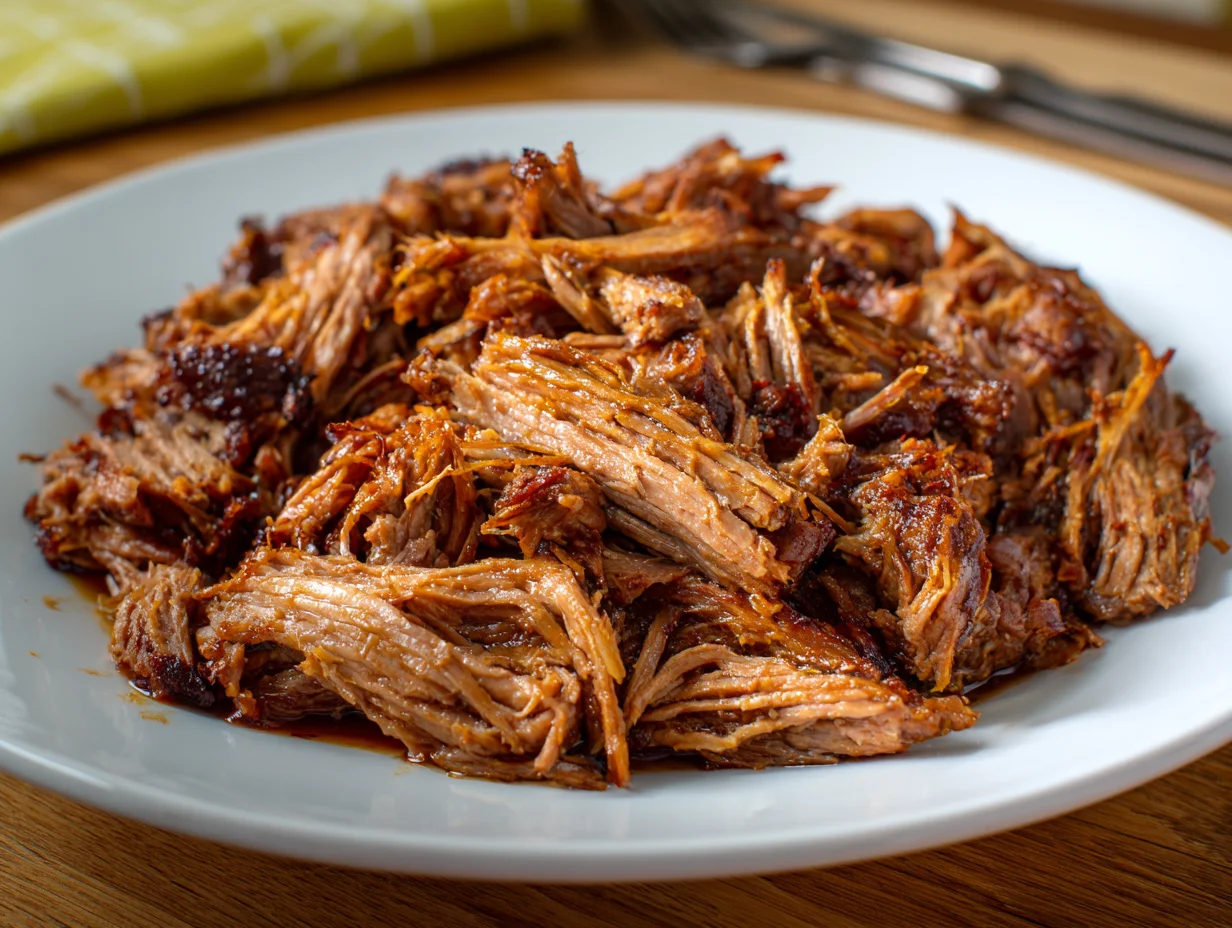
There are few dishes that truly define comfort and mastery like a perfectly cooked pulled beef brisket. Rich, deeply flavorful, and melt in your mouth tender, this recipe transforms a tough cut into something extraordinary with patience and technique. One bite reveals layers of slow developed flavor that cannot be rushed.
As a chef, brisket represents control and precision. It is not just about cooking meat, it is about understanding heat, timing, and moisture. When done right, the fibers break down beautifully, creating a juicy texture that pulls apart effortlessly while holding bold, smoky character.
This slow pulled beef brisket recipe is designed for those who want restaurant quality results at home. Whether you are preparing it for gatherings or elevating your weekly meals, this method ensures consistency, depth of flavor, and a premium finish every time you serve it.
👉 If you enjoy slow-cooked beef dishes, you’ll definitely want to try our Crockpot Brisket for another tender and flavorful option.
Ingredients You’ll Need
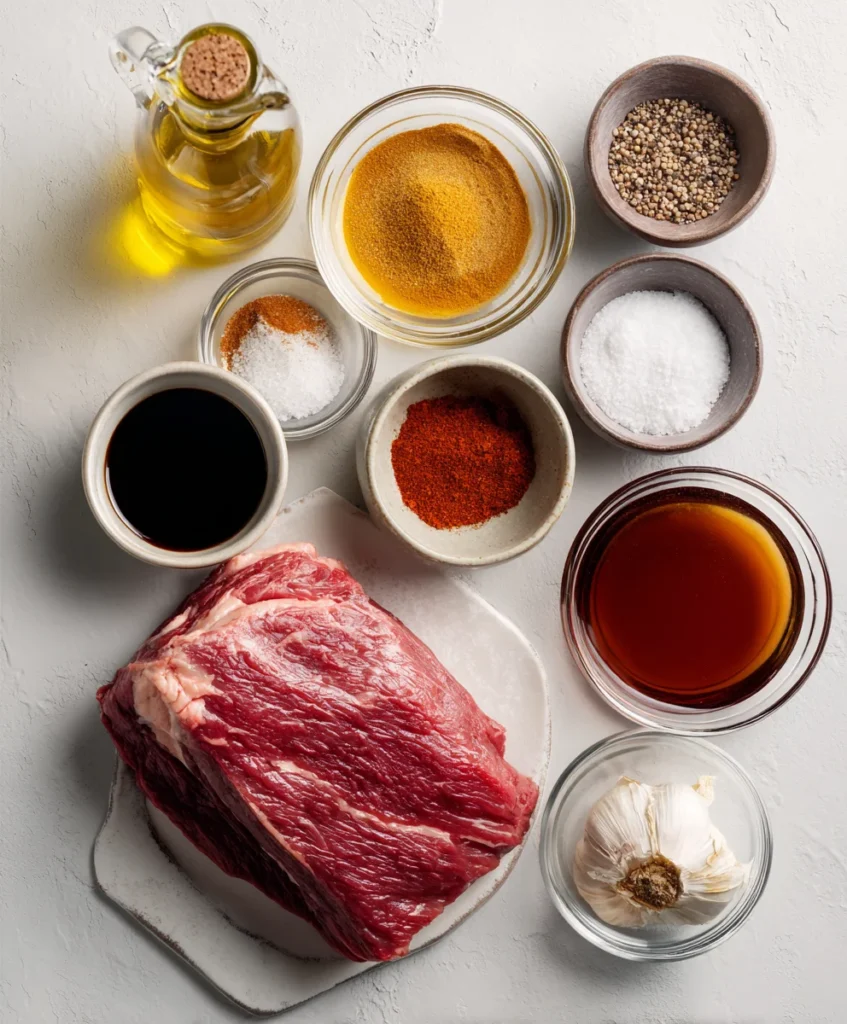
Beef brisket
Salt
Black pepper
Paprika
Garlic powder
Onion powder
Olive oil
Beef broth
BBQ sauce
Brown sugar
Apple cider vinegar
Step-by-Step Instructions
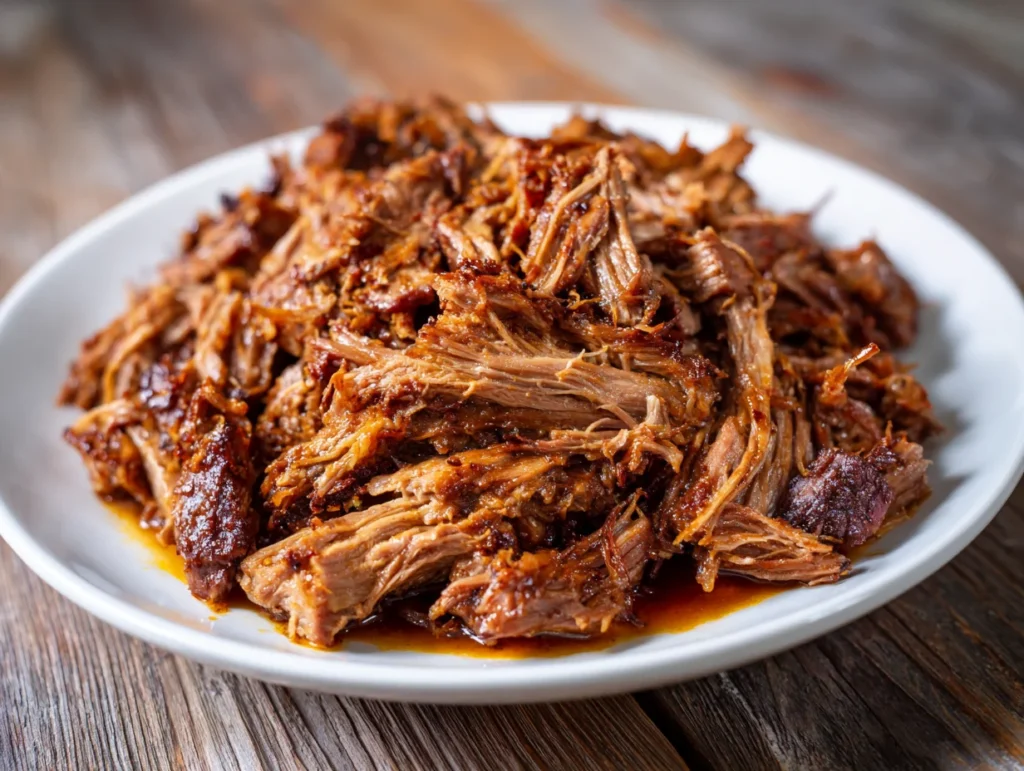
Prepare the Brisket
Start by trimming excess fat from the brisket, leaving a thin layer for moisture. Pat the meat dry and apply a generous seasoning of salt, pepper, paprika, garlic powder, and onion powder. Rub the spices evenly to ensure full coverage. Let the brisket rest at room temperature for at least 30 minutes before cooking. This step allows the seasoning to penetrate the meat and enhances overall flavor while preparing it for even cooking and proper texture development.
Proper preparation is essential for achieving tender results. Avoid skipping this stage, as seasoning plays a major role in the final taste. A well prepared brisket sets the foundation for a rich and balanced dish.
Sear for Maximum Flavor
Heat olive oil in a heavy pan over medium high heat. Sear the brisket on all sides until a deep brown crust forms. This process locks in juices and creates a flavorful outer layer. Do not rush this step, as proper browning develops the base flavor of the dish.
Ensure each side is evenly seared and avoid overcrowding the pan. The caramelization created here significantly enhances the final taste and gives the brisket its signature depth.
👉 Looking for a hearty comfort meal to pair with brisket? Check out our Savory Potato and Beef Soup for a warm and satisfying side.
Slow Cook to Perfection
Transfer the seared brisket into a slow cooker or covered pot. Add beef broth, a touch of BBQ sauce, brown sugar, and apple cider vinegar. Cover tightly and cook on low heat for several hours until the meat becomes tender and easy to pull apart.
Low and slow cooking breaks down tough fibers and allows flavors to fully develop. Maintain consistent heat and avoid opening the lid frequently, as this can disrupt the cooking process and affect tenderness.
Shred and Finish
Once fully cooked, remove the brisket and let it rest briefly. Use forks to shred the meat into soft strands. Return it to the cooking liquid and mix well to absorb the juices. Adjust seasoning if needed.
Serve warm for best results. The final texture should be moist, tender, and packed with flavor, making it ideal for sandwiches, wraps, or plated meals.
Cook Time
Total: 6 hours 30 minutes
Prep: 30 minutes
Bake: 6 hours
Servings
This recipe is designed to serve a generous number of portions, making it ideal for family meals or gatherings. The slow cooking process ensures that every serving maintains consistent tenderness and flavor.
Pulled brisket is highly versatile and can be served in multiple formats, from sandwiches to plated meals. Its rich taste allows it to stand as a main dish while pairing well with simple sides.
Makes approximately 6 to 8 servings, depending on portion size. This makes it a practical choice for meal prep or hosting, offering both quality and quantity in one recipe.
Critical Errors That Can Ruin Your Brisket
One common mistake is cooking brisket at high temperatures. This prevents proper breakdown of connective tissues, resulting in tough and chewy meat instead of a tender texture.
Another issue is insufficient seasoning. Under seasoning leads to bland results, while uneven application creates inconsistent flavor throughout the meat.
Skipping the searing process removes a key layer of flavor. Without caramelization, the brisket lacks depth and richness that define a high quality dish.
Cutting or shredding the brisket too early causes juices to escape, leading to dryness. Resting the meat is essential for retaining moisture and achieving the ideal texture.
Proven Techniques for Perfect Pulled Brisket
Always cook brisket on low heat for an extended period. This ensures collagen breaks down properly, resulting in tender, pull apart meat with consistent texture.
Apply seasoning evenly and allow time for it to absorb. This enhances flavor depth and ensures each bite is well balanced and rich.
Do not skip searing. Develop a deep crust before slow cooking to build a strong flavor foundation that enhances the entire dish.
Allow the brisket to rest before shredding. This locks in juices and keeps the meat moist, improving both texture and overall eating experience.
Nutritional Information (approx. per serving)
Calories: 350
Protein: 30g
Fat: 22g
Carbohydrates: 6g
Iron: High
Sodium: Moderate
Pulled brisket is a strong source of protein, supporting muscle growth and overall body function. It provides sustained energy, making it suitable for hearty meals.
The iron content in beef supports healthy blood circulation and oxygen transport. This makes it beneficial for maintaining energy levels and reducing fatigue.
When consumed in balanced portions, it can be part of a nutritious diet. Pairing it with vegetables enhances overall nutritional value while maintaining flavor.
👉 Fans of rich beef flavors should also explore our Ground Beef Stew, which delivers deep, slow-cooked taste in every bite.
Storage Instructions
Allow the brisket to cool completely before storing. This prevents condensation and helps maintain texture and flavor during storage.
Store leftovers in airtight containers and refrigerate promptly. Proper storage keeps the meat fresh and safe for later consumption.
For longer storage, freeze portions in sealed bags. This preserves flavor and allows convenient reheating without significant quality loss.
Reheat gently using low heat and a bit of added liquid to maintain moisture. Avoid overheating, as it can dry out the meat and affect texture.
Suggestions
Serve pulled brisket in soft buns with fresh slaw for a balanced and flavorful sandwich. The contrast of textures enhances the overall experience.
Pair it with classic sides like mashed potatoes or roasted vegetables. These combinations complement the richness of the meat.
Use leftovers creatively in wraps, tacos, or rice bowls. This adds variety and ensures nothing goes to waste.
Add a finishing drizzle of sauce before serving to enhance flavor and presentation. Small details can elevate the dish significantly.
Seasonal Relevance
Pulled brisket is ideal for colder months when hearty, slow cooked meals are most satisfying. Its warmth and richness make it perfect for comfort dining.
It also works well for outdoor gatherings during cooler evenings. The bold flavor makes it a centerpiece dish for social meals.
In transitional seasons, it provides a satisfying option that balances richness without feeling too heavy.
It is also suitable for festive occasions, offering a crowd pleasing option that can be prepared in advance and served easily.
Final Words
This slow pulled beef brisket recipe reflects the essence of patience and technique in cooking. It is a dish that rewards time and attention with exceptional flavor.
By following the right steps, you can consistently achieve tender, flavorful results that rival professional kitchens.
It is not just a recipe but a skill worth mastering. Each attempt refines your understanding and improves your outcome.
Once perfected, this brisket becomes a reliable and impressive dish for any occasion, delivering both quality and satisfaction.
👉 For another classic beef dish perfect for special occasions, don’t miss our Roast Beef Tenderloin.
Frequently Asked Questions
Can I cook brisket without a slow cooker
Yes, you can use an oven or heavy covered pot. Cook it at a low temperature for several hours, ensuring it remains covered to retain moisture. The key is maintaining consistent low heat for proper tenderization and flavor development.
What is the best cut for pulled brisket
Whole brisket or flat cut works best. These cuts contain enough connective tissue to break down during slow cooking, resulting in tender and juicy meat. Avoid lean cuts as they may become dry and lack the desired texture.
How do I know when brisket is fully cooked
Brisket is ready when it becomes fork tender and easily pulls apart. Internal temperature should be high enough to break down collagen, but texture is the best indicator. If it resists shredding, it needs more cooking time.
Slow Pulled Beef Brisket Recipe
6
servings30
minutes6
hours350
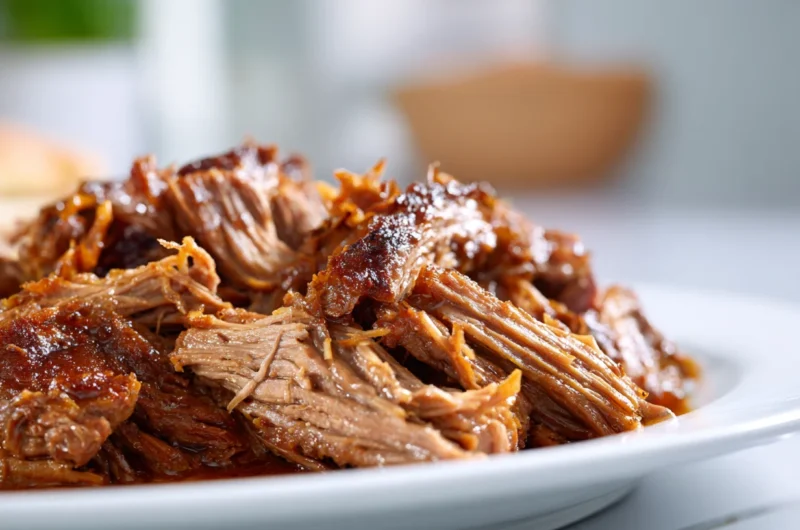
kcalSlow pulled beef brisket is a tender, juicy, and flavorful dish cooked low and slow until perfectly shreddable. Infused with spices and rich juices, it delivers a deep smoky taste ideal for sandwiches, bowls, or hearty family meals.
👉 If you love barbecue-style meals, you’ll also enjoy our BBQ Baby Back Ribs for a smoky and savory alternative.
Ingredients
Beef brisket
Salt
Black pepper
Paprika
Garlic powder
Onion powder
Olive oil
Beef broth
BBQ sauce
Brown sugar
Apple cider vinegar
Directions
- Season brisket evenly with spices and let it rest.
- Sear in hot oil until browned on all sides.
- Transfer to slow cooker with broth, BBQ sauce, sugar, and vinegar.
- Cook on low heat for several hours until tender.
- Shred meat and mix with cooking juices before serving.
Recipe Video
Notes
- Use low heat for best tenderness
- Do not skip searing step for deep flavor
- Let meat rest before shredding
- Add cooking juices back for moisture
- Store leftovers properly for best taste