25-Minute Creamy Chicken Tomato Pasta
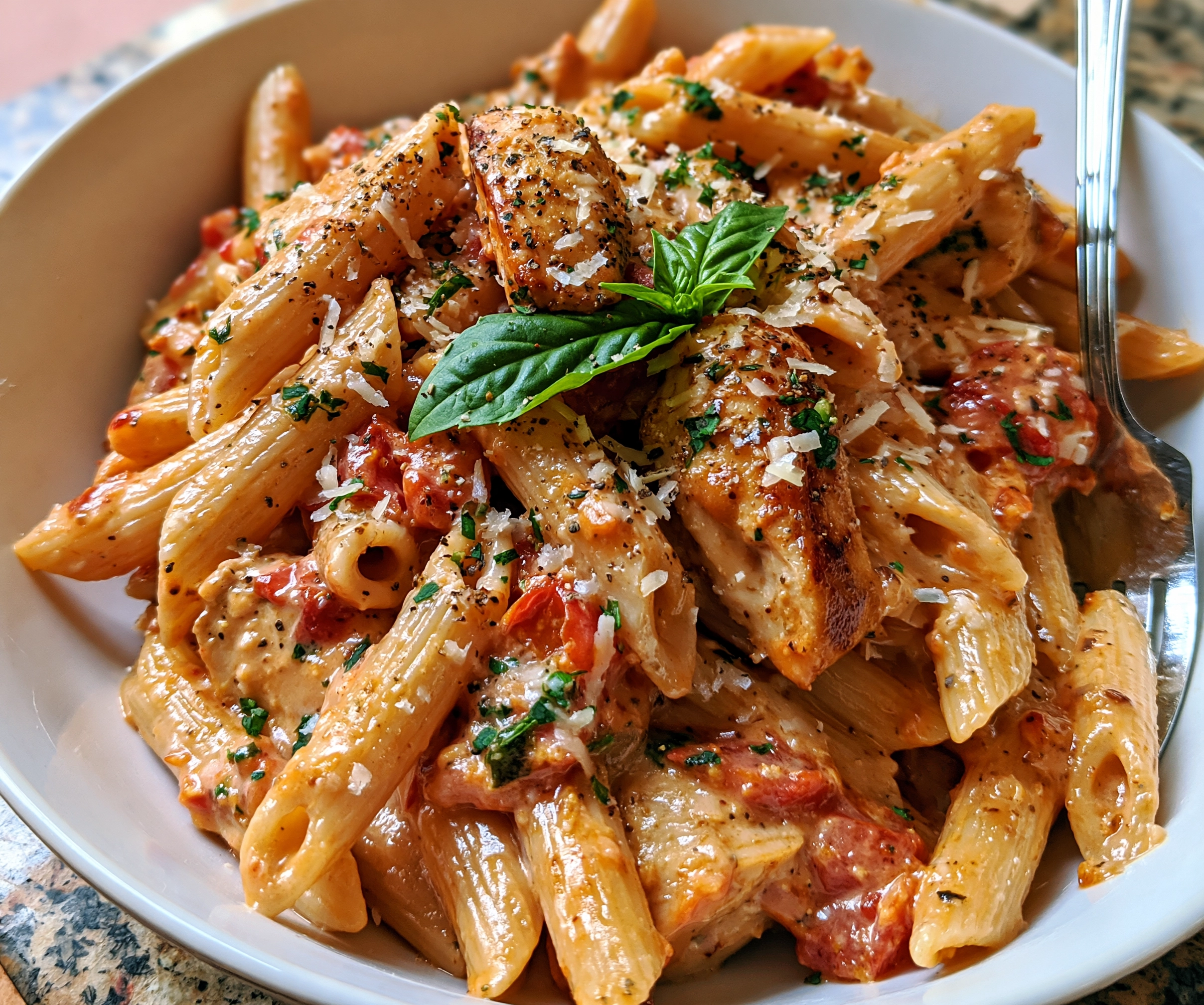
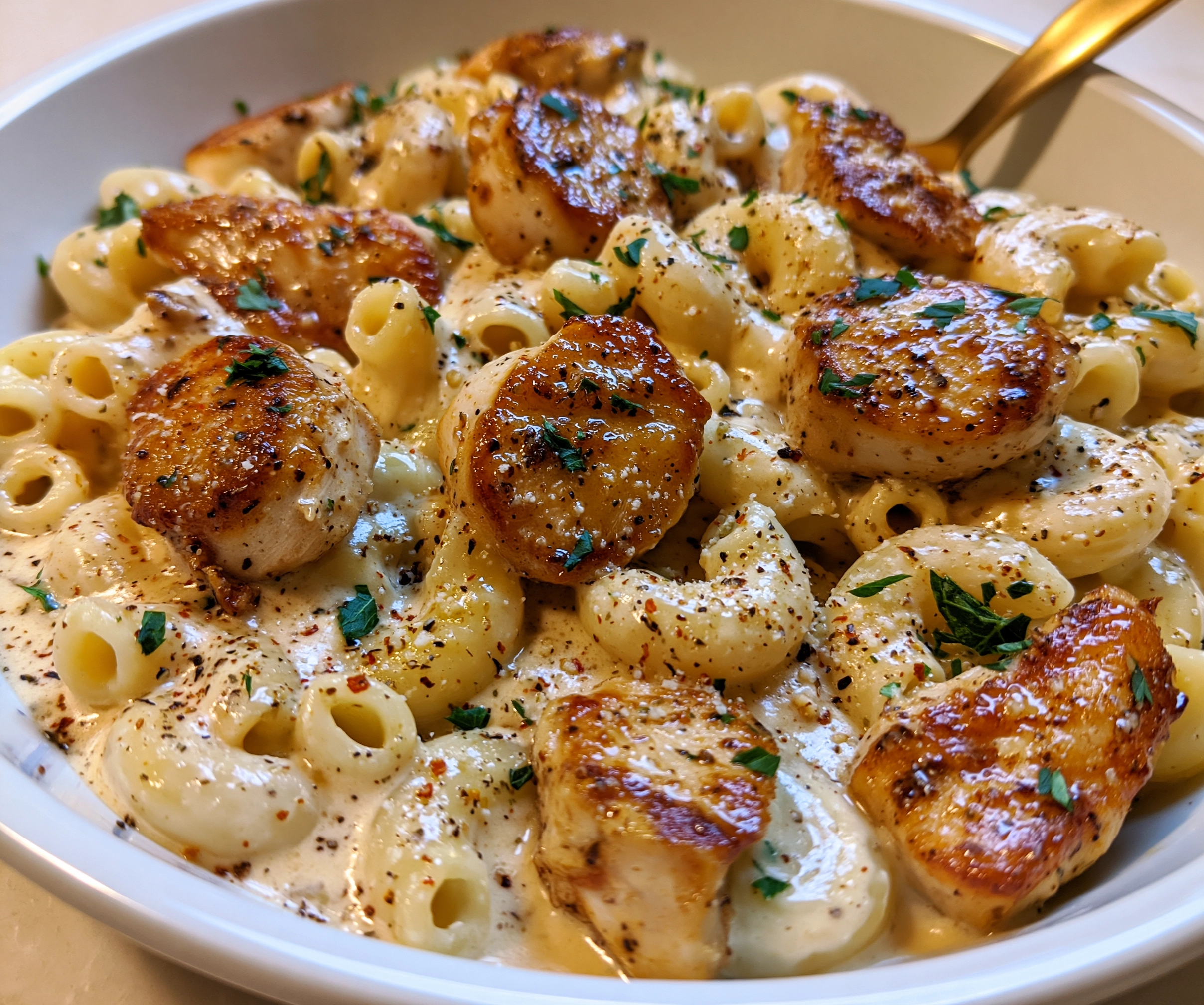
This creamy chicken tomato pasta tosses penne in a silky tomato-cream sauce, tops it with sliced seared chicken, and finishes with fresh basil and grated Parmesan. It feels like a restaurant dish but fits a weeknight, because the sauce, chicken, and tossing all happen in one skillet while the pasta boils alongside. Dinner lands in 25 minutes, with every piece of chicken cooked to 165°F.
There is something magical about a sauce that looks simple and tastes like you fussed. Tomatoes bring brightness, cream brings richness, and together they make a rosy, silky coating that clings to every tube of pasta. Add sliced chicken on top and a shower of basil, and an ordinary Tuesday suddenly feels like a small occasion.
The method stays honest and fast: boil the penne, sear the chicken, soften onion and garlic, simmer tomatoes, then lower the heat and stir in cream and Parmesan. One skillet does the real work, and the pasta water you reserve at the start is the secret to a sauce that never turns stiff.
Why Tomato Plus Cream Works Better Than Either Alone
Tomato plus cream works better than either alone because acidity and richness balance each other: the tomatoes lift the sauce so it never tastes heavy, while the cream rounds the tomato’s sharp edges so it never tastes harsh. Together they make a rosy sauce that coats pasta evenly and carries garlic and herbs beautifully.
A plain tomato sauce can taste thin and sharp on its own, and a plain cream sauce can taste flat and one-note. Blending them gives you the best of both—a sauce with body, brightness, and a silky finish that holds onto penne instead of sliding off. A handful of Parmesan stirred in at the end deepens the flavor without turning the sauce into a cheese sauce.
It is the same creamy-chicken-pasta logic behind my marry me chicken pasta recipe with creamy sauce, where a rich sauce turns simple chicken into a dinner worth repeating. If you love that comfort, this tomato version adds a fresh, vibrant edge you will come back to often.
Ingredients for This Creamy Chicken Tomato Pasta
Everything here is grouped so the sauce builds in one skillet while the pasta cooks beside it.
Chicken and Pasta:
- 1 lb boneless, skinless chicken breasts, sliced
- 12 oz penne (fusilli, rotini, or farfalle also work)
- 1 tsp kosher salt
- 1/2 tsp black pepper
- 1 tsp Italian seasoning
- 1/2 tsp paprika
- 2 Tbsp olive oil
Tomato-Cream Sauce:
- 1 small onion, finely diced
- 3 cloves garlic, minced
- 1 can (28 oz) crushed tomatoes
- 1 Tbsp tomato paste
- 1 tsp Italian seasoning
- 1/2 tsp dried basil
- 1/4 tsp red pepper flakes (optional)
- 3/4 cup heavy cream
- 1/2 cup grated Parmesan, plus more for serving
- 1/2 cup reserved pasta water, as needed
Finish:
- Torn fresh basil leaves
- Extra grated Parmesan
How to Make Creamy Chicken Tomato Pasta Step by Step
Boil the penne and reserve pasta water, sear the sliced chicken, soften onion and garlic, simmer the tomatoes, then lower the heat and stir in cream and Parmesan before tossing everything together. Six steps, one skillet for the sauce, and dinner is ready in 25 minutes.
1. Boil the Penne and Reserve the Pasta Water
Bring a large pot of well-salted water to a rolling boil and cook the penne until just al dente, a minute shy of the package time. Before draining, scoop out about 1/2 cup of the starchy pasta water—this liquid gold loosens the sauce later without thinning its flavor. Drain the pasta but do not rinse it, since the starch on the surface helps the sauce cling.
2. Sear the Chicken Until Golden
Season the sliced chicken with salt, pepper, Italian seasoning, and paprika, then sear in olive oil in a large skillet over medium-high heat for 4 to 8 minutes, until golden and the thickest piece reads 165°F. Remove the chicken to a plate and tent it loosely; the browned bits left in the pan will melt into the sauce and deepen its flavor. Do not crowd the pan, or the chicken steams instead of searing.
One small habit makes the cream step safer: take the heavy cream out of the refrigerator when the pasta water goes on, so it reaches room temperature by the time the sauce needs it. Cold cream poured into a hot tomato sauce can shock the cream and push it toward splitting, while room-temperature cream blends in smoothly over gentle heat. If the cream is still cold when you reach for it, measure it into a jug and set the jug in a bowl of warm water for 5 minutes.
3. Soften the Onion and Garlic to Sweet Perfection
Lower the heat to medium and cook the diced onion in the same skillet for 3 to 4 minutes, until soft and translucent, scraping up the browned bits as you stir. Add the garlic and cook 30 seconds to 1 minute, just until fragrant—burnt garlic turns bitter fast, so stay close and pull the pan off the heat if it darkens too quickly.
4. Simmer the Tomatoes Into a Rich Base
Stir in the tomato paste and cook 1 minute to deepen its color, then pour in the crushed tomatoes with the Italian seasoning, dried basil, and red pepper flakes if using. Simmer 5 to 7 minutes, stirring occasionally, until the sauce thickens slightly and tastes rounded rather than raw. This short simmer is enough, because the cream and Parmesan will finish the work.
5. Lower the Heat and Stir in Cream and Parmesan
Lower the heat to its gentlest setting and stir in the heavy cream, then sprinkle in the Parmesan a handful at a time, stirring until smooth and rosy. Never let the sauce boil hard after the cream goes in, since high heat is what makes cream sauces split and turn grainy. If the sauce feels too thick, loosen it with a splash of the reserved pasta water.
6. Return the Chicken, Toss, and Finish with Love
Return the sliced chicken and any plate juices to the skillet, add the drained penne, and toss everything together until the pasta is coated and the chicken is warmed through. Loosen with pasta water as needed until the sauce flows silkily over the tubes. Serve in warm bowls topped with sliced chicken, torn basil, and a generous snowfall of Parmesan.
How Do You Keep a Cream Sauce From Splitting?
Keep a cream sauce from splitting by lowering the heat before the cream goes in and never letting the pan boil hard afterward. Cream proteins tighten and separate under high heat, so gentle warmth and steady stirring are what keep the sauce smooth and rosy instead of grainy.
Pasta water is your safety net: its starch helps the sauce emulsify and cling, so a splash at the end fixes a sauce that looks tight or oily. If the sauce does split, pull it off the heat immediately, whisk in a splash of cold cream, and stir gently—often it comes back together before anyone notices.
Serving Ideas, Nutrition, and Easy Swaps
Serve the pasta in warm bowls with extra Parmesan and torn basil at the table, so everyone can finish their own portion. A crisp green salad or garlic bread from our salads and sides collection balances the richness beautifully, and the dish sits naturally among our pasta and rice dinners when you want another creamy bowl later in the week. Warm the bowls first so the sauce stays silky while everyone serves themselves.
Nutrition values are always approximate and vary by tomato brand and cheese amount.
- Calories: approximately 520
- Protein: approximately 38 g
- Carbohydrates: approximately 52 g
- Fat: approximately 18 g
- Chicken Thighs: boneless, skinless thighs work beautifully; sear 5 to 7 minutes per side to 165°F, then slice.
- Pasta Shapes: fusilli, rotini, or farfalle hold the sauce well if penne is not on hand.
- Dairy-Free Option: swap the cream for full-fat coconut milk and skip the Parmesan, adding nutritional yeast for savoriness.
- Spinach or Mushroom Add-Ins: fold in a handful of spinach or sauteed mushrooms at the tossing stage for extra vegetables.
- Milder Version: skip the red pepper flakes entirely; the sauce stays vibrant from garlic and basil alone.
How Do You Store, Make Ahead, and Reheat It?
Store leftovers in an airtight container in the refrigerator for up to 3 days, with the chicken and pasta kept together since the sauce coats everything evenly. Reheat gently in a skillet over low heat with a splash of milk, broth, or water, stirring until the sauce loosens and turns silky again.
The sauce itself can be made a day ahead and refrigerated, then reheated gently while fresh pasta boils—an easy way to turn tomorrow’s dinner into a 15-minute job. Do not freeze this dish, since cream sauces separate when thawed and never quite recover their silky texture.
Why This Creamy Chicken Tomato Pasta Earns a Spot in Your Rotation
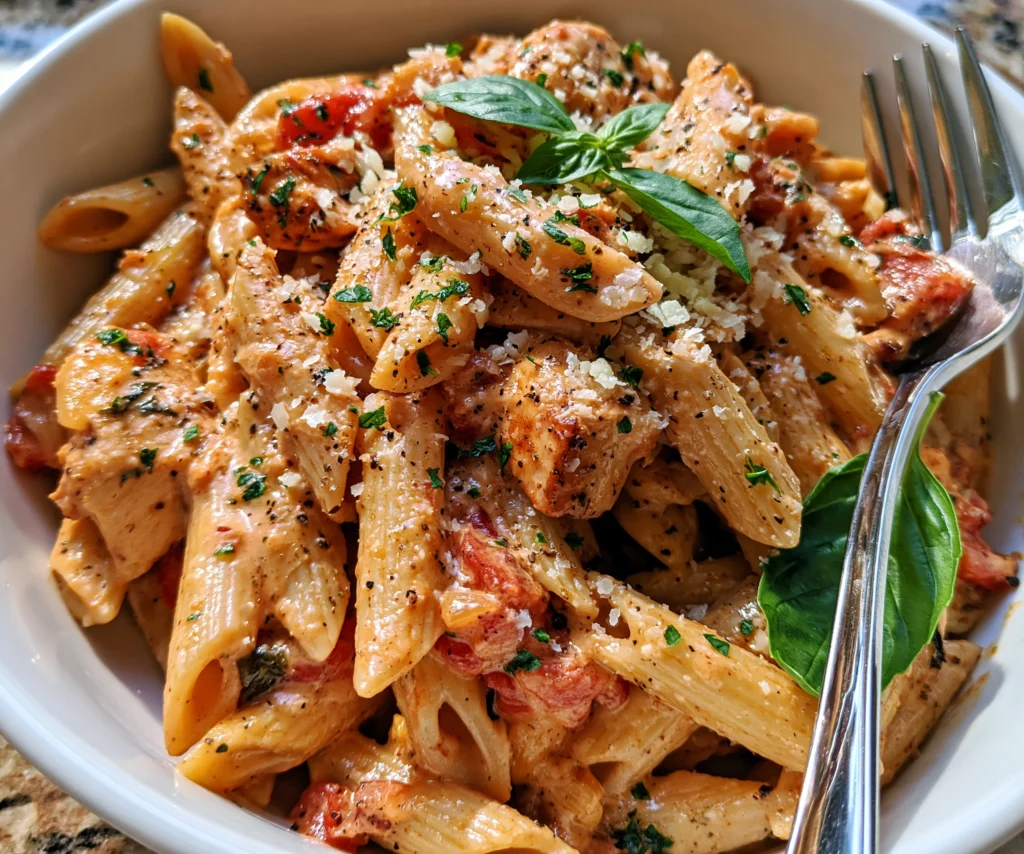
This pasta proves that a restaurant-feeling dinner does not require complicated technique or a long evening in the kitchen. One skillet sauce, a pot of penne, sliced chicken, and a handful of basil—that is the whole recipe, and it delivers a rosy, silky bowl that tastes like you fussed.
Browse our chicken recipes when you want another skillet chicken dinner with the same easy confidence. Give this recipe a try, and finish it generously with basil and Parmesan. I’d love to hear your variations—thighs instead of breasts, a different pasta shape, or your favorite side alongside—so share how you made it yours.
Why This Sear, Simmer, and Cream-Last Method Works
This method works because each step sets up the next one. Searing the chicken first leaves browned bits in the skillet, and those bits melt straight into the sauce and deepen it. Frying the tomato paste for a minute before the crushed tomatoes go in takes the raw edge off, and the short simmer rounds the tomatoes just enough that the cream has something smooth to join. Cream and Parmesan go in last, over the gentlest heat, so the sauce turns rosy and silky instead of splitting, and the reserved pasta water is waiting at the end to loosen anything that tightens.
The honest limit is the serving window: this sauce is at its best for about 15 to 20 minutes after tossing, because the penne keeps drinking in the sauce and the cream thickens as it cools. Left too long in the skillet, the bowl turns stiff instead of silky. Serve it as soon as it is tossed, and keep a splash of pasta water or warm milk nearby for the table. For leftovers, reheat gently in a skillet over low heat with a splash of milk or broth, and never freeze this dish, since cream sauces separate when thawed and never quite recover.
Frequently Asked Questions
Can I use milk instead of heavy cream, and will the sauce still be silky?
Milk works, but the sauce will be thinner and more likely to split, since milk has less fat to stabilize it. Use whole milk and keep the heat very low, adding it gradually and never boiling. For the silkiest result, heavy cream is worth it; if you must use milk, a spoonful of cream cheese stirred in helps the sauce hold together.
What pasta shape works best if I don’t have penne?
Fusilli, rotini, or farfalle all hold this sauce beautifully, because their twists and folds catch the rosy cream the way penne tubes do. Avoid long, thin shapes like angel hair, which tangle and soak up too much sauce. Whatever shape you choose, cook it just al dente and reserve pasta water for loosening the sauce.
How do I stop the cream sauce from splitting or turning grainy?
Lower the heat before the cream goes in, add the Parmesan gradually off the boil, and stir gently until smooth. High heat is the main cause of splitting, so patience matters more than any ingredient. If the sauce tightens, a splash of reserved pasta water and gentle stirring will usually bring it back to silky.
Can I use chicken thighs instead of breasts?
Yes! Boneless, skinless thighs are juicier and more forgiving, and they slice beautifully over the pasta. Sear them 5 to 7 minutes per side until they reach 165°F, then rest and slice them the same way. The slightly richer flavor of thighs pairs wonderfully with the tomato-cream sauce.
Can I make the sauce ahead and cook the pasta fresh later?
Absolutely! The sauce keeps a day ahead in the refrigerator and reheats gently in a skillet while fresh pasta boils. This is the smartest way to serve this dish for guests, since the pasta stays perfectly al dente. Reheat the sauce over low heat with a splash of milk or pasta water until it flows silkily again.

25-Minute Creamy Chicken Tomato Pasta
Penne in a silky rosy tomato-cream sauce topped with sliced seared chicken, torn fresh basil, and grated Parmesan.
4
servings10
minutes15
minutes520
kcal25
minutesIngredients
- Chicken and Pasta
1 lb boneless, skinless chicken breasts, sliced
12 oz penne (fusilli, rotini, or farfalle also work)
1 tsp kosher salt
1/2 tsp black pepper
1 tsp Italian seasoning
1/2 tsp paprika
2 Tbsp olive oil
- Tomato-Cream Sauce
1 small onion, finely diced
3 cloves garlic, minced
1 can (28 oz) crushed tomatoes
1 Tbsp tomato paste
1 tsp Italian seasoning
1/2 tsp dried basil
1/4 tsp red pepper flakes (optional)
3/4 cup heavy cream
1/2 cup grated Parmesan, plus more for serving
1/2 cup reserved pasta water, as needed
- Finish
Torn fresh basil leaves
Extra grated Parmesan
Directions
- Boil the Penne and Reserve the Pasta Water: Bring a large pot of well-salted water to a rolling boil and cook the penne until just al dente, a minute shy of the package time. Before draining, scoop out about 1/2 cup of the starchy pasta water—this liquid gold loosens the sauce later without thinning its flavor. Drain the pasta but do not rinse it, since the starch on the surface helps the sauce cling.
- Sear the Chicken Until Golden: Season the sliced chicken with salt, pepper, Italian seasoning, and paprika, then sear in olive oil in a large skillet over medium-high heat for 4 to 8 minutes, until golden and the thickest piece reads 165°F. Remove the chicken to a plate and tent it loosely; the browned bits left in the pan will melt into the sauce and deepen its flavor. Do not crowd the pan, or the chicken steams instead of searing.
- Soften the Onion and Garlic to Sweet Perfection: Lower the heat to medium and cook the diced onion in the same skillet for 3 to 4 minutes, until soft and translucent, scraping up the browned bits as you stir. Add the garlic and cook 30 seconds to 1 minute, just until fragrant—burnt garlic turns bitter fast, so stay close and pull the pan off the heat if it darkens too quickly.
- Simmer the Tomatoes Into a Rich Base: Stir in the tomato paste and cook 1 minute to deepen its color, then pour in the crushed tomatoes with the Italian seasoning, dried basil, and red pepper flakes if using. Simmer 5 to 7 minutes, stirring occasionally, until the sauce thickens slightly and tastes rounded rather than raw. This short simmer is enough, because the cream and Parmesan will finish the work.
- Lower the Heat and Stir in Cream and Parmesan: Lower the heat to its gentlest setting and stir in the heavy cream, then sprinkle in the Parmesan a handful at a time, stirring until smooth and rosy. Never let the sauce boil hard after the cream goes in, since high heat is what makes cream sauces split and turn grainy. If the sauce feels too thick, loosen it with a splash of the reserved pasta water.
- Return the Chicken, Toss, and Finish with Love: Return the sliced chicken and any plate juices to the skillet, add the drained penne, and toss everything together until the pasta is coated and the chicken is warmed through. Loosen with pasta water as needed until the sauce flows silkily over the tubes. Serve in warm bowls topped with sliced chicken, torn basil, and a generous snowfall of Parmesan.
Notes
- Refrigerate up to 3 days; reheat gently in a skillet over low heat with a splash of milk, broth, or water; sauce can be made a day ahead and reheated while fresh pasta boils; do not freeze (cream sauce separates).