Glossy Caramelized Char Siu Chicken
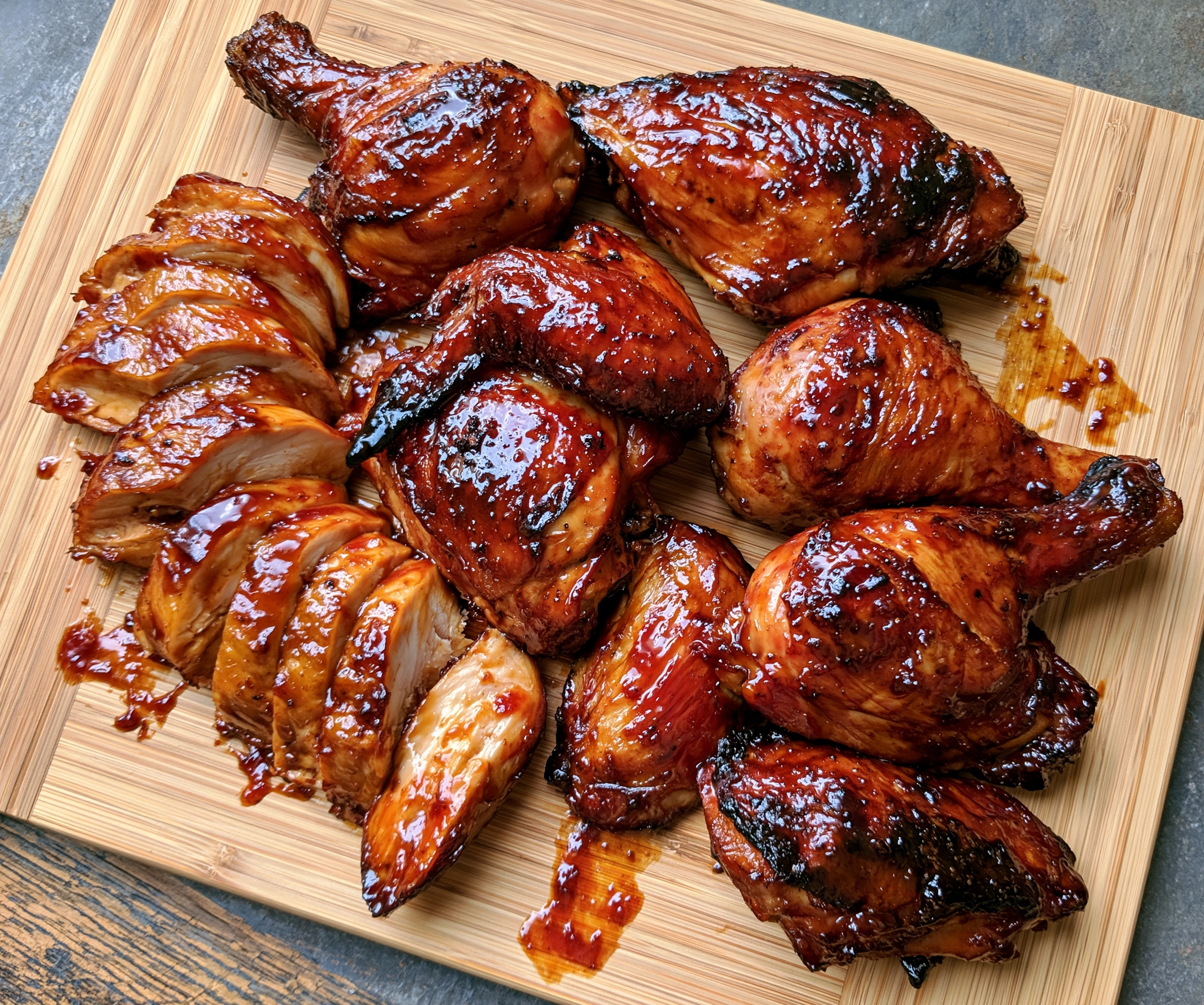
This char siu chicken marinates in hoisin, honey, soy, and five-spice, then roasts in the oven until the glaze turns glossy and the edges char. Sliced over steamed rice with green onions and sesame, it serves four. Marinate 2 hours or overnight, roast at 400°F, and cook to 165°F.
There is something irresistible about a glossy, caramelized glaze, and this char siu chicken delivers exactly that. Inspired by Chinese BBQ, the marinade lacquers the chicken as it roasts, creating those coveted charred edges without a grill or a smoker. The oven does the work while your kitchen fills with a sweet, savory aroma.
The beauty lies in the lacquer itself. Hoisin brings body, honey brings the shine and the char, soy brings salt, and five-spice brings the warm, fragrant background that makes the glaze taste like char siu rather than any sweet sauce. Slice it over rice, spoon the pan drippings over the top, and dinner feels like a small feast.
What Makes Char Siu Chicken Different From Any Glazed Chicken
Char siu is not just sweet chicken—it is a lacquer, built in layers as the marinade reduces and caramelizes in the oven. Five-spice is the signature: star anise, cloves, cinnamon, fennel, and pepper together give a warm, almost floral depth that a plain honey glaze never reaches.
The chicken version keeps everything that makes pork char siu beloved—the glossy coat, the charred edges, the savory-sweet balance—while cooking faster and more forgivingly. Thighs stay juicy under a sugary glaze where leaner cuts can dry out, and a short broiler finish at the end creates the char without burning the honey. It is the same sticky-glaze logic as my Sticky Honey Garlic Chicken Breasts in One Pan, where the sauce becomes the star—here, five-spice makes it unmistakably char siu.
Ingredients for This Char Siu Chicken
The list is short on purpose—everything is a pantry staple or an everyday supermarket basic.
Chicken:
- 1 1/2 lb boneless, skinless chicken thighs
Char Siu Marinade:
- 3 Tbsp hoisin sauce
- 2 Tbsp soy sauce
- 2 Tbsp honey
- 1 Tbsp oyster sauce
- 3 garlic cloves, minced
- 1 tsp Chinese five-spice powder
- 1 tsp rice vinegar
- 1/2 tsp sesame oil
- 1/4 tsp white pepper
For Serving:
- 4 cups cooked white rice, warm
- 2 green onions, thinly sliced
- 1 tsp sesame seeds
- Pan drippings, for spooning over
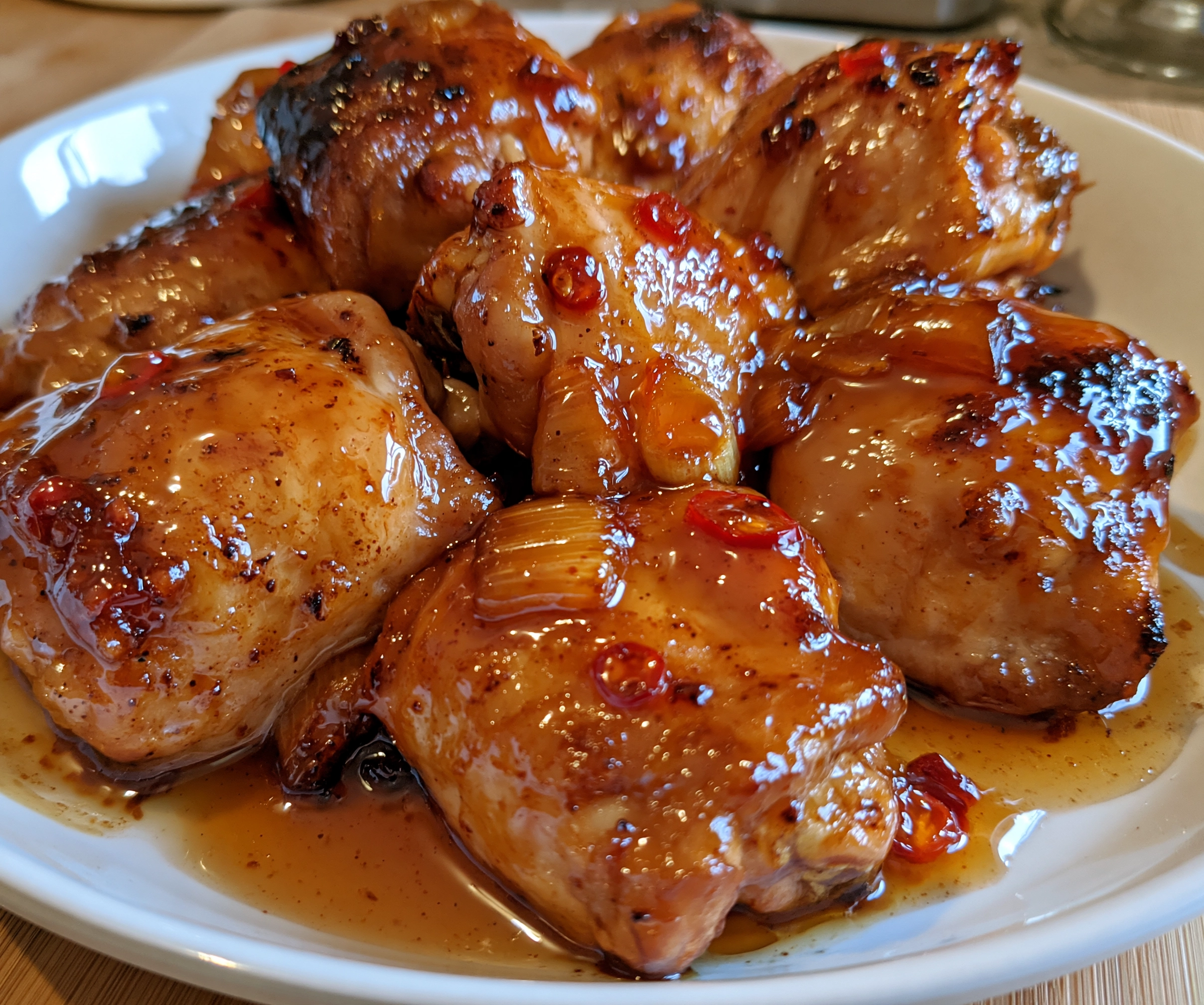
Red food colouring and fermented bean curd appear in traditional pork versions, but neither is required here—the hoisin and honey give a natural reddish-brown lacquer on their own. Leave the colouring out and the result still looks exactly like the photo.
How to Make Char Siu Chicken Step by Step
The whole method in one breath: whisk the marinade, marinate 2 hours or overnight, roast at 400°F on a rack-lined tray, flip and baste halfway, broil 2 to 3 minutes for char, then rest, slice, and serve over rice.
1. Whisk the Marinade to Perfection
Combine the hoisin, soy sauce, honey, oyster sauce, garlic, five-spice, rice vinegar, sesame oil, and white pepper in a bowl, whisking until the honey dissolves. The marinade should look thick, dark, and glossy—this is the lacquer that will coat the chicken. Reserve 2 tablespoons for basting later.
2. Marinate for Deep Flavor
Add the thighs to the marinade, turning each piece until fully coated, then cover and refrigerate 2 hours or overnight. Two hours gives a lovely sweet-savory coat; overnight goes deeper and more fragrant. The sugar in the marinade is what will char, so a longer soak means a darker finish.
3. Roast on a Rack at 400°F
Heat the oven to 400°F and set a wire rack inside a foil-lined baking tray. Arrange the thighs on the rack in a single layer, letting the marinade drip below instead of pooling. Roast 20 minutes, until the glaze starts to set and darken at the edges.
4. Flip and Baste Halfway
Turn each thigh, brush with the reserved marinade, and return to the oven for 10 more minutes. Basting midway rebuilds the lacquer on the second side so both faces turn glossy. If the tray drippings darken quickly, that is caramelization, not burning—yet.
Keep the reserved basting marinade in its own small bowl from the start, and use a clean brush that never touches the raw chicken. The 2 tablespoons you set aside in step 1 must stay free of raw chicken juices, because it goes straight onto partly cooked thighs with no more cooking time to make it safe. If the brush does touch raw marinade by mistake, pour that portion away and baste with a spoonful of warm pan drippings instead — a glossy finish is never worth a food-safety shortcut.
5. Broil Briefly for Charred Edges
Switch to the broiler for 2 to 3 minutes, watching the chicken the entire time. The sugar in the glaze goes from charred to burnt in under a minute, so stand at the oven and pull the tray the moment the edges look dark and lacquered. This final blast is what makes it char siu.
6. Rest, Slice, and Spoon the Drippings
Slide an instant-read thermometer into the thickest thigh—it should read 165°F. Rest 5 minutes so the juices settle, then slice into strips and arrange over warm rice. Spoon the pan drippings over the top, shower with green onions and sesame, and serve immediately.
How Do You Get Charred Edges Without Burning the Honey Glaze?
Char without burning comes down to rack height, timing, and attention. Keep the tray on the middle rack, not the top, so the broiler heat stays intense but not scorching, and never broil longer than 3 minutes.
Baste timing matters too: brushing the reserved marinade on halfway through rebuilds the glaze so it chars evenly instead of drying out. And watch constantly—the difference between lacquered and burnt is about 60 seconds, so this is not a step to walk away from.
Serving Ideas, Nutrition, and Easy Swaps
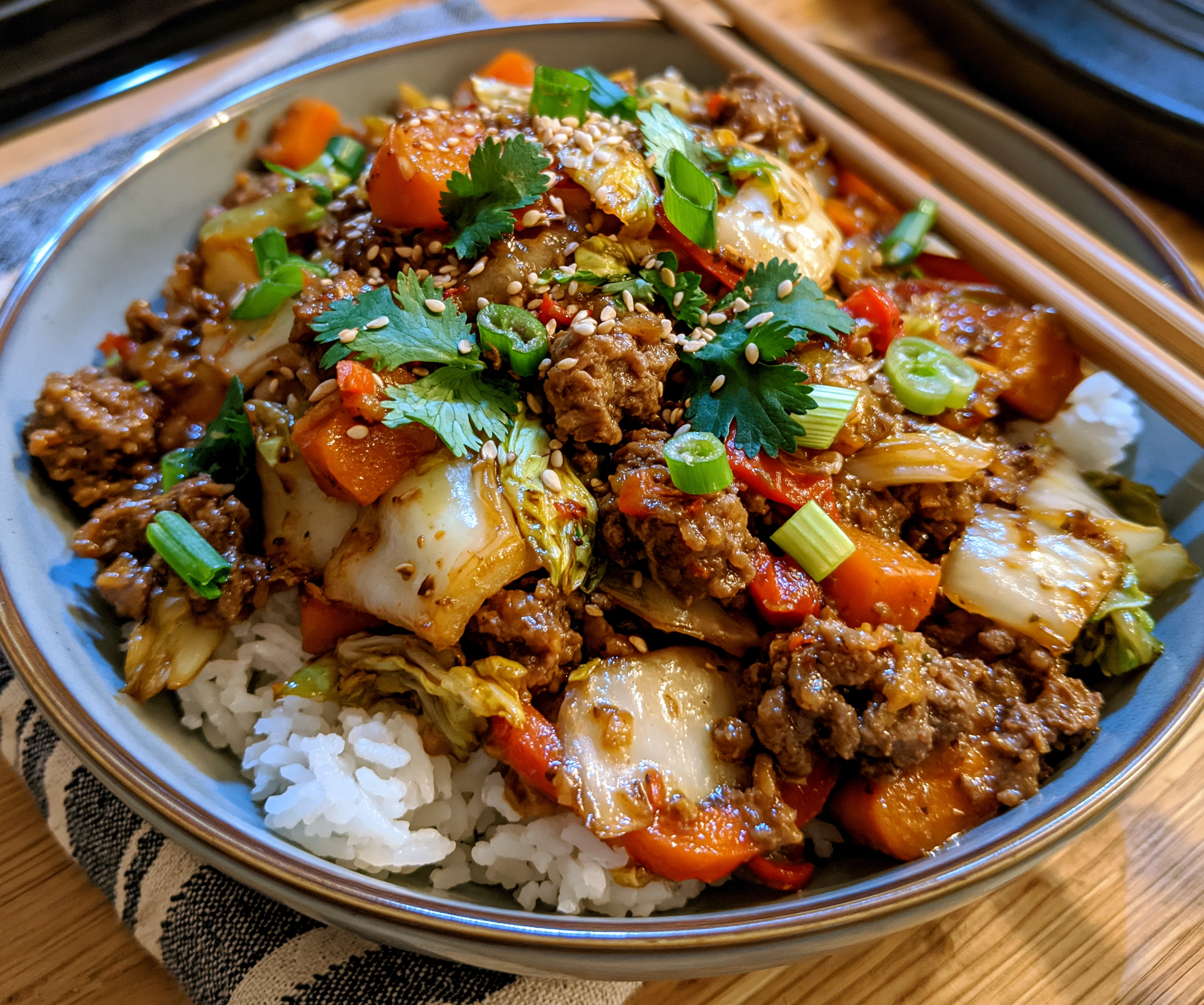
Serve the sliced chicken over steaming white rice first, exactly as pictured, with the pan drippings spooned over and green onions and sesame on top. Buns are a wonderful alternative—tuck the slices into soft rolls with extra glaze—but the rice bowl leads, and our pasta and rice recipes have more bases worth trying. A quick pickled vegetable or simple greens from our salads and sides collection cuts the richness beautifully.
Nutrition values are always approximate and vary by brand and substitutions. Here is the per-serving picture, based on four servings.
- Calories: approximately 420
- Protein: approximately 33 g
- Carbohydrates: approximately 36 g
- Fat: approximately 14 g
- With Chicken Breasts: use boneless breasts and pull them at exactly 165°F, checking 5 minutes early; thighs forgive the broiler better.
- Honey Swap: maltose syrup gives an even glossier traditional finish, used in the same amount—honey stays the easier pantry choice.
- No Colouring Needed: skip red food colouring and bean curd entirely; the natural hoisin-honey lacquer is the correct color.
How Do You Store, Make Ahead, and Reheat It?
The marinade is your make-ahead friend: marinate the chicken up to a day before roasting, so dinner itself takes barely 30 minutes. Cooked sliced chicken keeps 3 to 4 days in the fridge, stored apart from the rice.
Reheat gently in a covered skillet over medium heat with a splash of water and a spoonful of reserved glaze, just until warm—high heat burns the sugary coating. The glaze softens on reheating but the flavor stays fully intact.
Why This Glazed Chicken Earns a Spot in Your Rotation
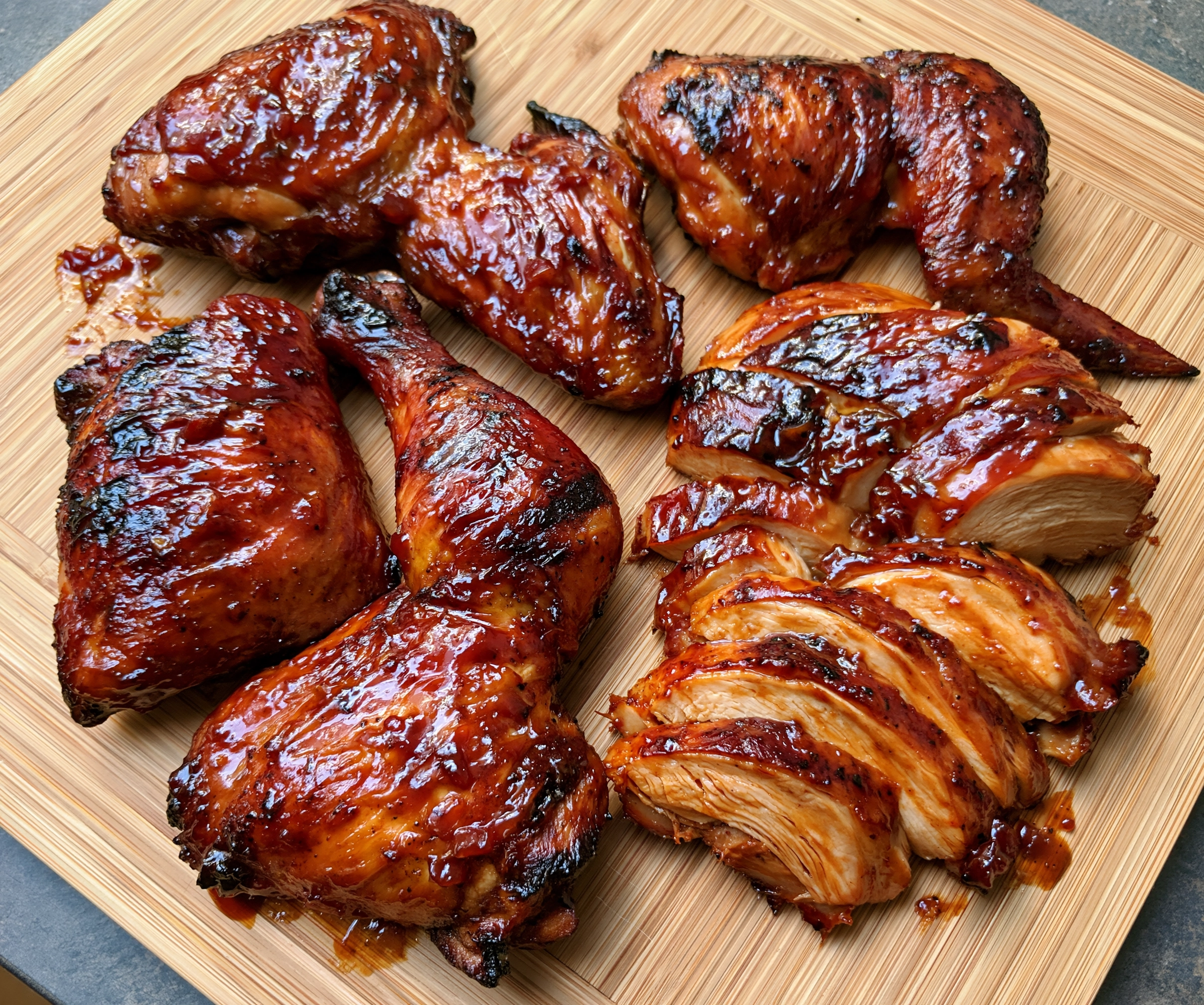
One marinade, one tray, and a glaze that turns glossy and charred in the oven—that is the promise here. The chicken stays juicy, the edges caramelize, and the rice underneath catches every drop of the lacquer.
If dinners like this are your weeknight love language, browse our chicken recipes for the next one worth repeating. Give this recipe a try the next time you crave something glossy and caramelized. I’d love to hear your variations—a bun version, extra five-spice, a spicier glaze—so share how you made it yours.
Why This Roast, Baste, and Broil Method Works
This method works because each step protects the next one. The long marinade builds the lacquer in layers instead of one sticky coat, so the glaze has something to hold onto. Roasting on a rack lets the marinade drip away instead of pooling, which keeps the underside from steaming soft, and the halfway flip and baste rebuilds the glaze on the second side so both faces char evenly. The broiler comes last, for only 2 to 3 minutes, because by then the glaze is set and dark — the short blast adds char without giving the honey time to burn.
The honest limit is the serving window. Once the chicken is sliced, the glaze starts to soften as the hot juices meet the coating, so the lacquered edges are at their best in the first 15 to 20 minutes. Serve it over steaming rice right away, and keep any leftovers apart from the rice. Reheating in a covered skillet with a splash of water brings the flavor back, but the crisp charred edges will not return — that is the price of a honey glaze, and it is why this dish is best cooked close to serving time.
Frequently Asked Questions
Is char siu chicken the same as pork char siu?
Not exactly, but it follows the same idea. Pork char siu is a Cantonese barbecue built on a sweet-savory marinade and charred edges; this chicken version uses the same hoisin, honey, soy, and five-spice lacquer on faster-cooking thighs. The flavor profile matches, while the cooking time drops dramatically.
Do I need red food colouring or fermented bean curd?
No! Both appear in traditional pork versions, but neither is required here. Hoisin and honey create a natural reddish-brown lacquer that looks exactly like the photo. Adding colouring would push the result toward bright red, which is not what this dish should look like.
Chicken breast or thighs—which works better under a sweet glaze?
Thighs win here. They stay juicy under a sugary glaze and forgive the broiler finish, while breasts dry out faster and demand exact timing. If you use breasts, pull them at exactly 165°F and check 5 minutes early. Either cut slices beautifully over rice.
How do I get charred edges without burning the honey glaze?
Broil for only 2 to 3 minutes on the middle rack, watching the chicken the entire time—sugar goes from charred to burnt in under a minute. Basting halfway through rebuilds the glaze so it chars evenly. If the edges darken too fast, pull the tray immediately; residual heat finishes the job.
How long should I marinate it?
Two hours gives a lovely sweet-savory coat, and overnight goes deeper and more fragrant. Thirty minutes works in a pinch but tastes noticeably lighter. Do not marinate past 24 hours, since the salt and sugar start to change the chicken’s texture.
Glossy Caramelized Char Siu Chicken
Chicken thighs marinated in hoisin, honey, soy, and five-spice, oven-roasted to a glossy lacquer with charred edges, sliced and served over steamed rice with green onions and sesame.
4
servings15
minutes30
minutes420
kcal45
minutesIngredients
- Chicken
1 1/2 lb boneless, skinless chicken thighs
- Char Siu Marinade
3 Tbsp hoisin sauce
2 Tbsp soy sauce
2 Tbsp honey
1 Tbsp oyster sauce
3 garlic cloves, minced
1 tsp Chinese five-spice powder
1 tsp rice vinegar
1/2 tsp sesame oil
1/4 tsp white pepper
- For Serving
4 cups cooked white rice, warm
2 green onions, thinly sliced
1 tsp sesame seeds
Pan drippings, for spooning over
Directions
- Combine the hoisin, soy sauce, honey, oyster sauce, garlic, five-spice, rice vinegar, sesame oil, and white pepper in a bowl, whisking until the honey dissolves. The marinade should look thick, dark, and glossy—this is the lacquer that will coat the chicken. Reserve 2 tablespoons for basting later.
- Add the thighs to the marinade, turning each piece until fully coated, then cover and refrigerate 2 hours or overnight. Two hours gives a lovely sweet-savory coat; overnight goes deeper and more fragrant. The sugar in the marinade is what will char, so a longer soak means a darker finish.
- Heat the oven to 400°F and set a wire rack inside a foil-lined baking tray. Arrange the thighs on the rack in a single layer, letting the marinade drip below instead of pooling. Roast 20 minutes, until the glaze starts to set and darken at the edges.
- Turn each thigh, brush with the reserved marinade, and return to the oven for 10 more minutes. Basting midway rebuilds the lacquer on the second side so both faces turn glossy. If the tray drippings darken quickly, that is caramelization, not burning—yet.
- Switch to the broiler for 2 to 3 minutes, watching the chicken the entire time. The sugar in the glaze goes from charred to burnt in under a minute, so stand at the oven and pull the tray the moment the edges look dark and lacquered. This final blast is what makes it char siu.
- Slide an instant-read thermometer into the thickest thigh—it should read 165°F. Rest 5 minutes so the juices settle, then slice into strips and arrange over warm rice. Spoon the pan drippings over the top, shower with green onions and sesame, and serve immediately.
Notes
- Make ahead: marinate the chicken up to a day before roasting, so dinner itself takes barely 30 minutes. Cooked, sliced chicken keeps 3 to 4 days in the fridge, stored apart from the rice. Reheat gently in a covered skillet over medium heat with a splash of water and a spoonful of reserved glaze, just until warm. High heat burns the sugary coating, and the glaze softens on reheating but the flavor stays fully intact. For a breast swap, use boneless breasts and pull them at exactly 165F, checking 5 minutes early. No red food colouring or bean curd needed: the natural hoisin-honey lacquer is the correct color.