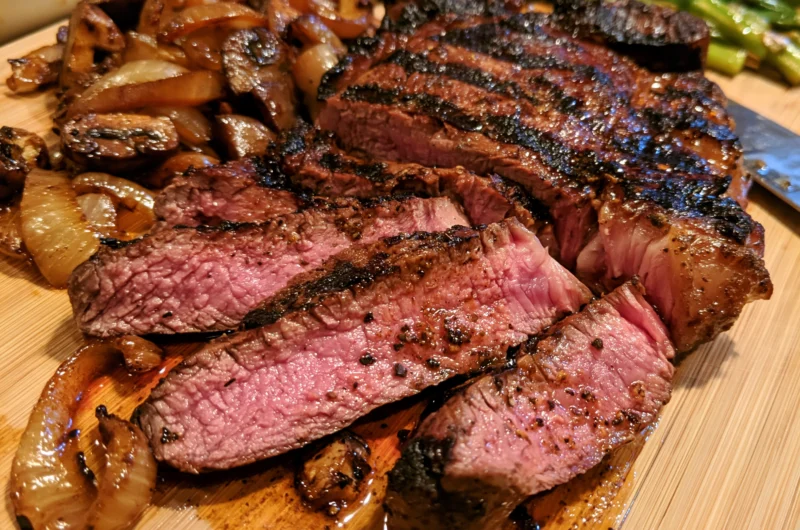
Bold Blackened Cajun Steak

This Cajun Steak gets its dark, spice-crusted exterior from a homemade Cajun rub and a screaming-hot cast iron pan, while the center stays juicy and tender. The sear takes just 3 to 4 minutes per side, then a 5-minute rest keeps every slice moist. Pair it with cool, creamy sides to balance the heat for a bold dinner ready in about 25 minutes.
If you love steak with real personality, Cajun Steak delivers it in minutes, not hours. A fiery rub of paprika, cayenne, garlic, and herbs crusts the surface in a screaming-hot pan, while the inside stays pink, juicy, and tender. There is something magical about that first slice, dark at the edges and gloriously juicy at the center, with a warmth that builds slowly instead of overwhelming you.
Blackened does not mean burnt, and that distinction is the whole recipe. The dark crust comes from spices browning in intense heat, not from charred meat, and a short rest after searing keeps the juices where they belong. This is my go-to for restaurant-quality drama on a weeknight, with pantry staples and one pan doing all the work.
What Blackened Cajun Steak Really Means
Blackened means a spice crust browned deeply in intense heat, giving a dark, savory exterior and a juicy center, and it never means burnt meat. The color comes from paprika, cayenne, and other spices toasting in a screaming-hot pan, not from scorching the steak itself.
The technique started in Louisiana kitchens, where cooks coated fish and meat in spices and seared them in a nearly smoking cast iron skillet. At home, the same idea works beautifully with ribeye or strip steak, as long as the pan is truly hot and the steak is very dry. Patting the surface dry matters as much as the rub itself.
Ingredients for Cajun Steak
For the Steaks:
- 2 ribeye or strip steaks, 1 to 1 1/2 inches thick (about 12 ounces each)
- 1 tablespoon butter, melted, or olive oil for brushing
For the Cajun Rub:
- 2 teaspoons paprika
- 1 teaspoon garlic powder
- 1 teaspoon onion powder
- 1 teaspoon dried oregano
- 1/2 teaspoon dried thyme
- 1/2 teaspoon cayenne pepper, more or less to taste
- 1 teaspoon kosher salt
- 1 teaspoon black pepper
Plan on 10 minutes of prep, 10 minutes of searing, and a 5-minute rest, for 25 minutes total. Thick steaks may need a brief oven finish, covered in the smoke section below, so keep a thermometer close. Medium-rare, at 130 to 135°F, is the sweet spot.
Cajun Steak Step-by-Step
You dry and season the steaks generously, heat a cast iron pan until it is nearly smoking, sear 3 to 4 minutes per side without moving the meat, then rest the steaks for 5 minutes before slicing. The whole job is fast, so have your sides ready before the pan gets hot.
1. Dry and Season the Steaks Generously
Pat the steaks very dry with paper towels, since a wet surface steams instead of crusting, and let them sit at room temperature for about 20 minutes if you have time. Brush both sides lightly with melted butter or oil, then coat every surface, including the edges, with the Cajun rub. Press the spices on gently so they stick in an even layer.
2. Heat the Pan Until Nearly Smoking
Set a cast iron skillet over high heat for 3 to 5 minutes until it is nearly smoking, and turn the ventilation fan on before the steak goes in. A lukewarm pan is the fastest way to a gray, steamed steak, so do not rush this step.
3. Sear Without Moving the Steak
Lay the steaks in the pan away from you and leave them untouched for 3 to 4 minutes, while the spice crust forms and darkens. Flip once with tongs and sear the second side for 3 to 4 minutes more, until deeply browned and 130 to 135°F for medium-rare. If a steak is thicker than 1 1/2 inches, finish it in a 400°F oven for a few minutes instead of scorching the crust.
4. Rest, Then Slice Against the Grain
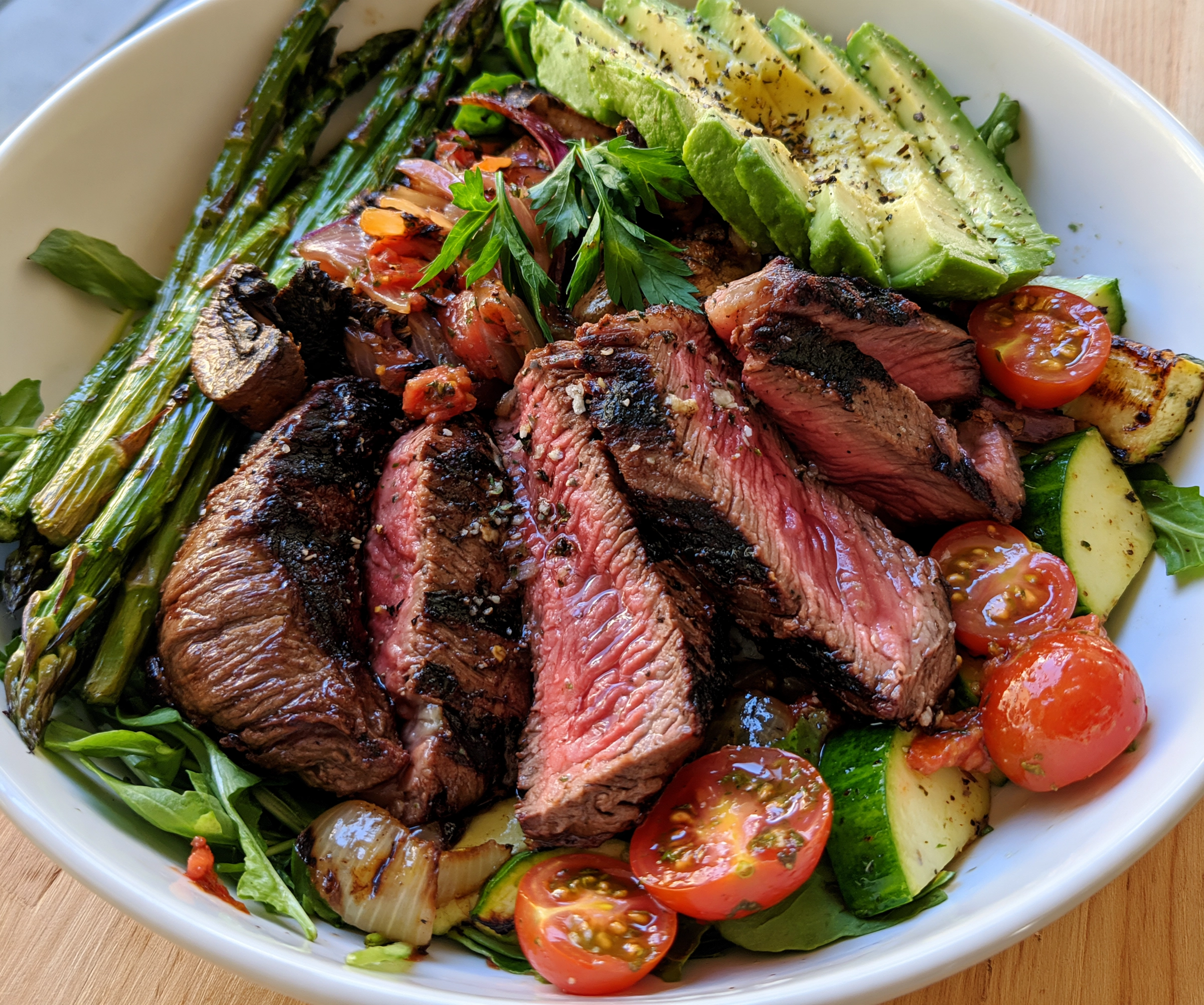
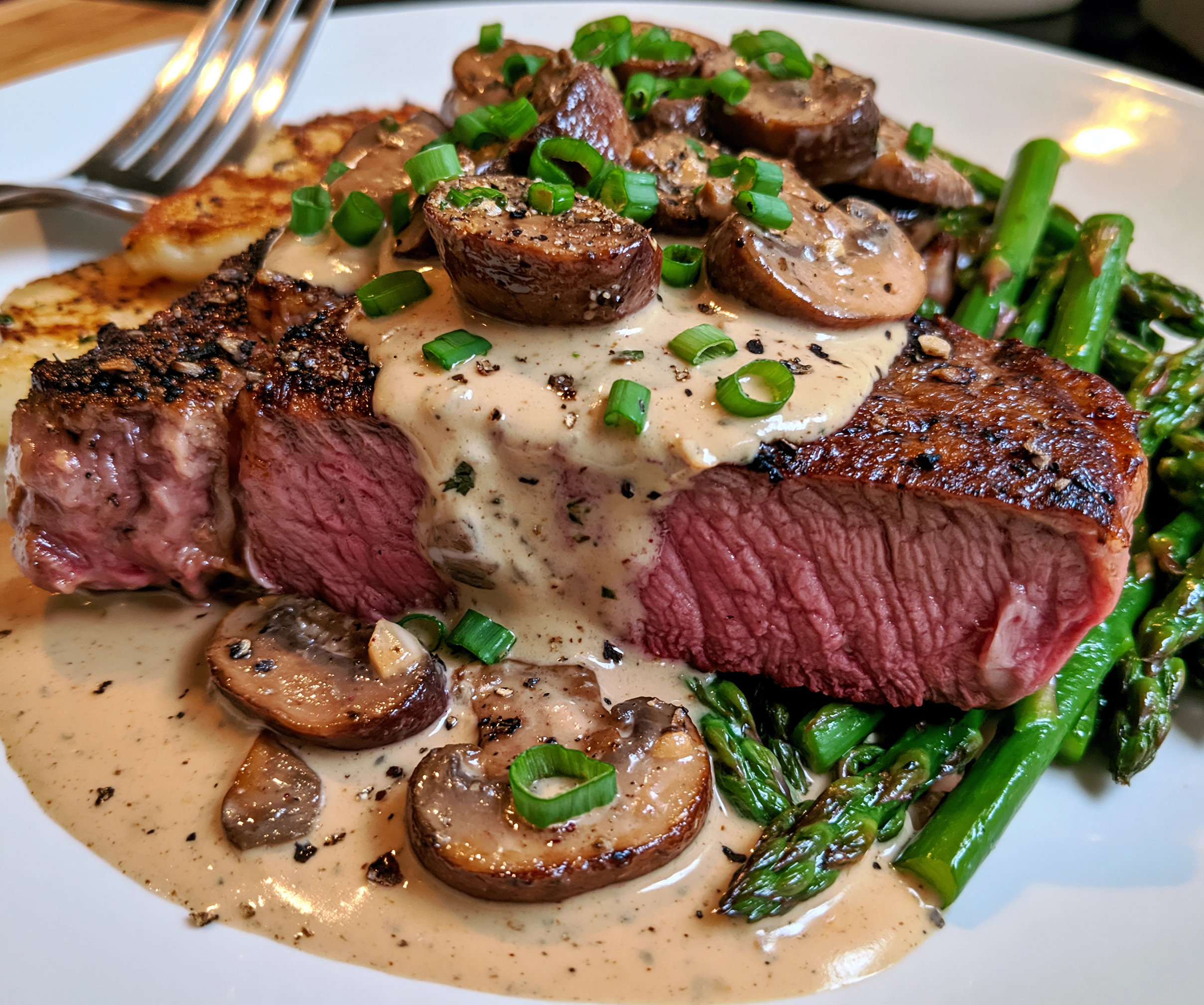
Rest the steaks on a warm plate for 5 minutes, tented loosely with foil, so the juices redistribute instead of running out onto the board. That patience is what keeps every slice juicy, while the crust stays crisp. Slice against the grain in even pieces, and spoon any resting juices back over the top.
Managing the Smoke
A screaming-hot pan makes smoke, so preparation matters as much as technique here, and a few minutes of setup keeps the kitchen comfortable while the crust forms. Open a window, switch the range fan to high before heating the pan, and close nearby doors if smoke tends to travel through your home. Keep a lid nearby, not to cover the steak, but for peace of mind while you cook.
For steaks thicker than 1 1/2 inches, sear both sides hard and finish in a 400°F oven for 3 to 5 minutes, checking with a thermometer. The oven finish protects the crust from burning while the center reaches temperature gently. This two-stage method also shortens the time the pan spends at full heat.
Serving and Heat Control
Cool, creamy sides balance the heat best, so serve the sliced steak with mashed potatoes, creamy coleslaw, or a sour-cream-based sauce, plus a crisp salad for freshness. Adjust the cayenne in the rub to set the heat, using half for a milder version or a little extra for a bolder one.
Our salads and sides collection has cooling partners for this plate, and our appetizers and snacks collection works well for small bites before dinner. Peppers are not part of the core recipe here, but charred bell peppers make a fine optional side. For another slow, rich beef classic, my beef bourguignon trades this quick sear for a long, gentle braise.
Slice only what you need from this Cajun Steak, since whole steak reheats better than sliced pieces, and refrigerate leftovers airtight for up to 3 days. Reheat gently in a covered skillet over low heat with a splash of butter, just until warm.
Nutrition values are approximately, and they vary by brand, cut, and serving size.
- Calories: approximately 520
- Protein: approximately 42 g
- Carbohydrates: approximately 3 g
- Fat: approximately 37 g
Mistakes That Burn Instead of Blacken
Burnt crust comes from wet steak, a lukewarm pan, moving the meat too soon, or skipping the rest, and each mistake is easy to fix once you spot it. A dry surface, a nearly smoking pan, one flip, and a full rest are the four habits that keep the crust dark and savory instead of bitter.
Never start with a damp steak or a pan that is still warming up, since both steam the spices instead of browning them. Do not slide the steak around the pan, because the crust needs steady contact to form. Finally, do not slice straight from the pan, or the juices will pool on the board instead of staying in the meat.

Bold Flavor Without the Fuss
This Cajun Steak proves that bold flavor does not require a long ingredient list or a special occasion, just a good rub, a very hot pan, and five patient minutes of rest. The crust is dark, the center is juicy, and the whole dinner lands in about 25 minutes.
Browse our beef recipes when you want another quick beef dinner with big flavor. Give this recipe a try this week, and start with half the cayenne if you are unsure about the heat. I’d love to hear your variations and which creamy side you paired it with.
Frequently Asked Questions
What cut is best for blackened steak?
Ribeye and strip steak are the best choices, since their marbling stays juicy under intense heat. Choose steaks 1 to 1 1/2 inches thick so the crust can darken without overcooking the center. Sirloin works too, but it dries out faster, so watch the thermometer closely.
Is blackened steak burnt?
No, blackened steak is not burnt, and the distinction matters. The dark color comes from spices browning in a very hot pan, while the meat underneath stays juicy and tender. Burnt crust tastes bitter and acrid, while a true blackened crust tastes savory, smoky, and warm.
How spicy is Cajun seasoning?
It is warm and peppery rather than fiercely hot, with cayenne setting the level. The blend in this recipe is bold but balanced, especially beside a cool, creamy side. Halve the cayenne for a milder version, or add a little extra if you love real heat.
Can I blacken steak on the grill?
Yes, you can blacken steak on the grill, though a cast iron pan gives the most even crust. Use a cast iron skillet on the grill grates if you have one, so the spices stay in contact with the hot surface. Over open grates alone, the rub can fall away and the crust turns patchy.
How long should steak rest?
Rest the steak for 5 minutes before slicing, tented loosely with foil on a warm plate. That short wait lets the juices redistribute through the meat instead of running out onto the board. Slicing too soon is the fastest way to lose the juiciness you just worked to build.
Bold Blackened Cajun Steak
Spice-crusted, deeply browned steak with a juicy center, seared in a screaming-hot cast iron pan and rested before slicing.
2
servings10
minutes10
minutes520
kcal25
minutesIngredients
2 ribeye or strip steaks, 1 to 1 1/2 inches thick (about 12 ounces each)
1 tablespoon butter, melted, or olive oil for brushing
2 teaspoons paprika
1 teaspoon garlic powder
1 teaspoon onion powder
1 teaspoon dried oregano
1/2 teaspoon dried thyme
1/2 teaspoon cayenne pepper, more or less to taste
1 teaspoon kosher salt
1 teaspoon black pepper
Directions
- Dry and Season the Steaks Generously — Pat the steaks very dry, brush with melted butter or oil, and coat every surface with the Cajun rub.
- Heat the Pan Until Nearly Smoking — Heat a cast iron skillet over high heat for 3 to 5 minutes with the ventilation fan on.
- Sear Without Moving the Steak — Sear 3 to 4 minutes per side without moving, until deeply browned and 130 to 135°F for medium-rare.
- Rest, Then Slice Against the Grain — Rest 5 minutes tented loosely with foil, then slice against the grain.
Notes
- Blackened means spice-crusted and deeply browned, not burnt. Peppers are not part of the core recipe; they are an optional side only. Values vary by brand and cut.