Sticky Korean BBQ Meatballs
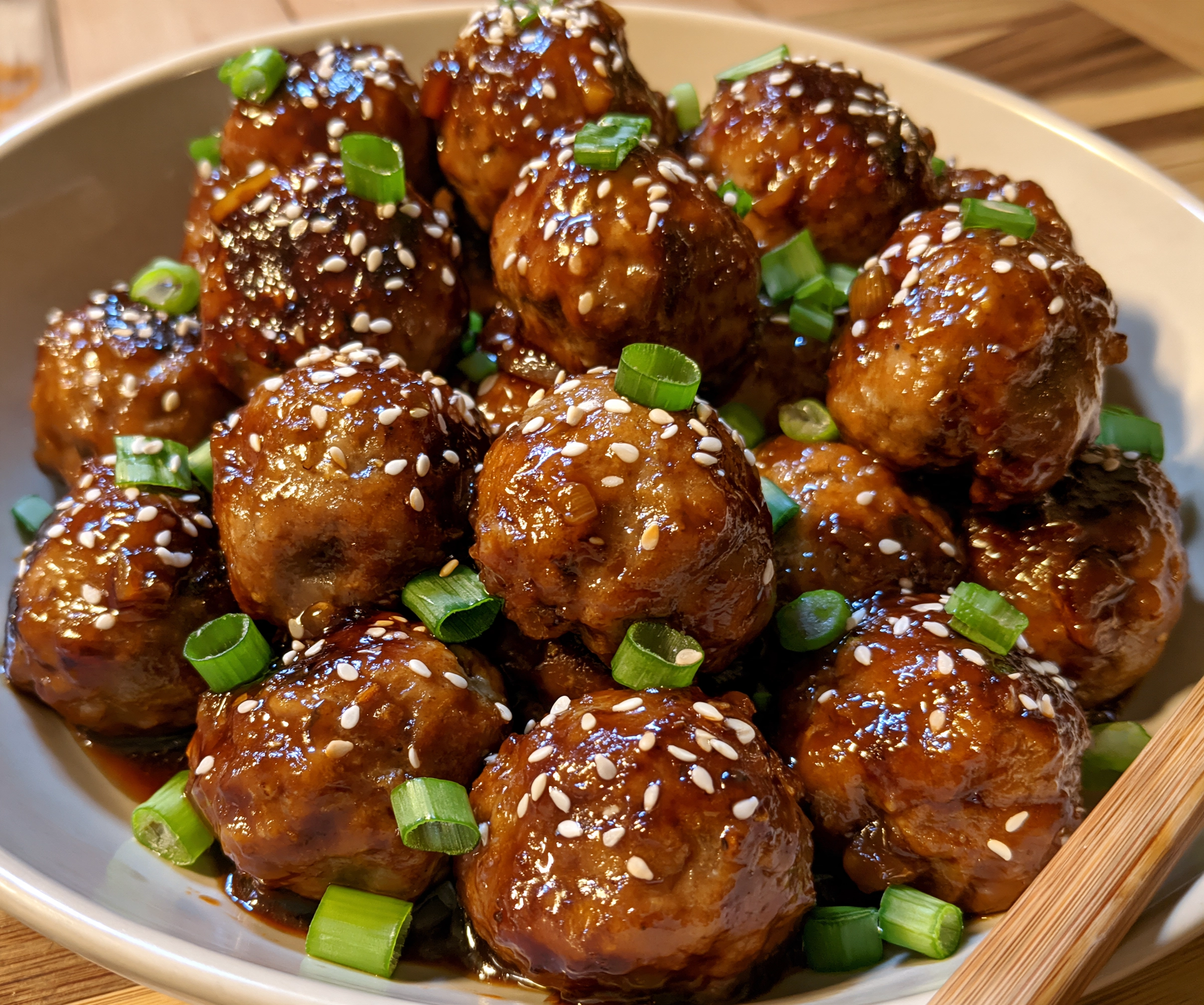
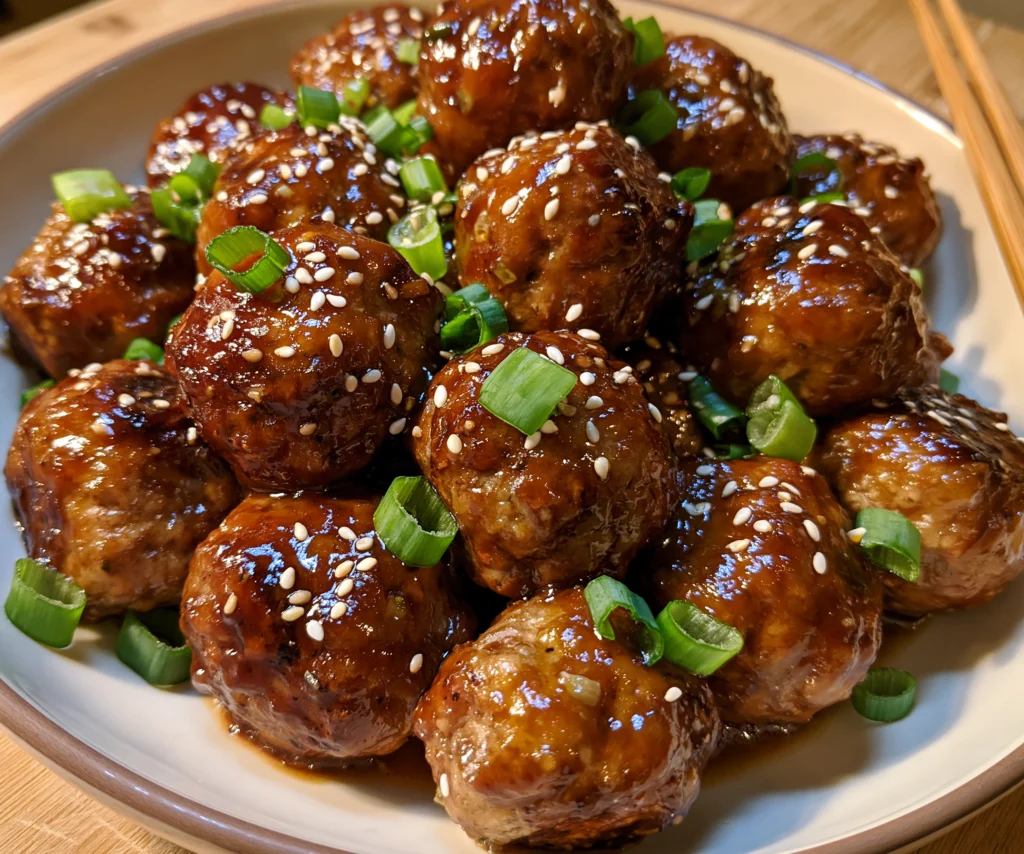
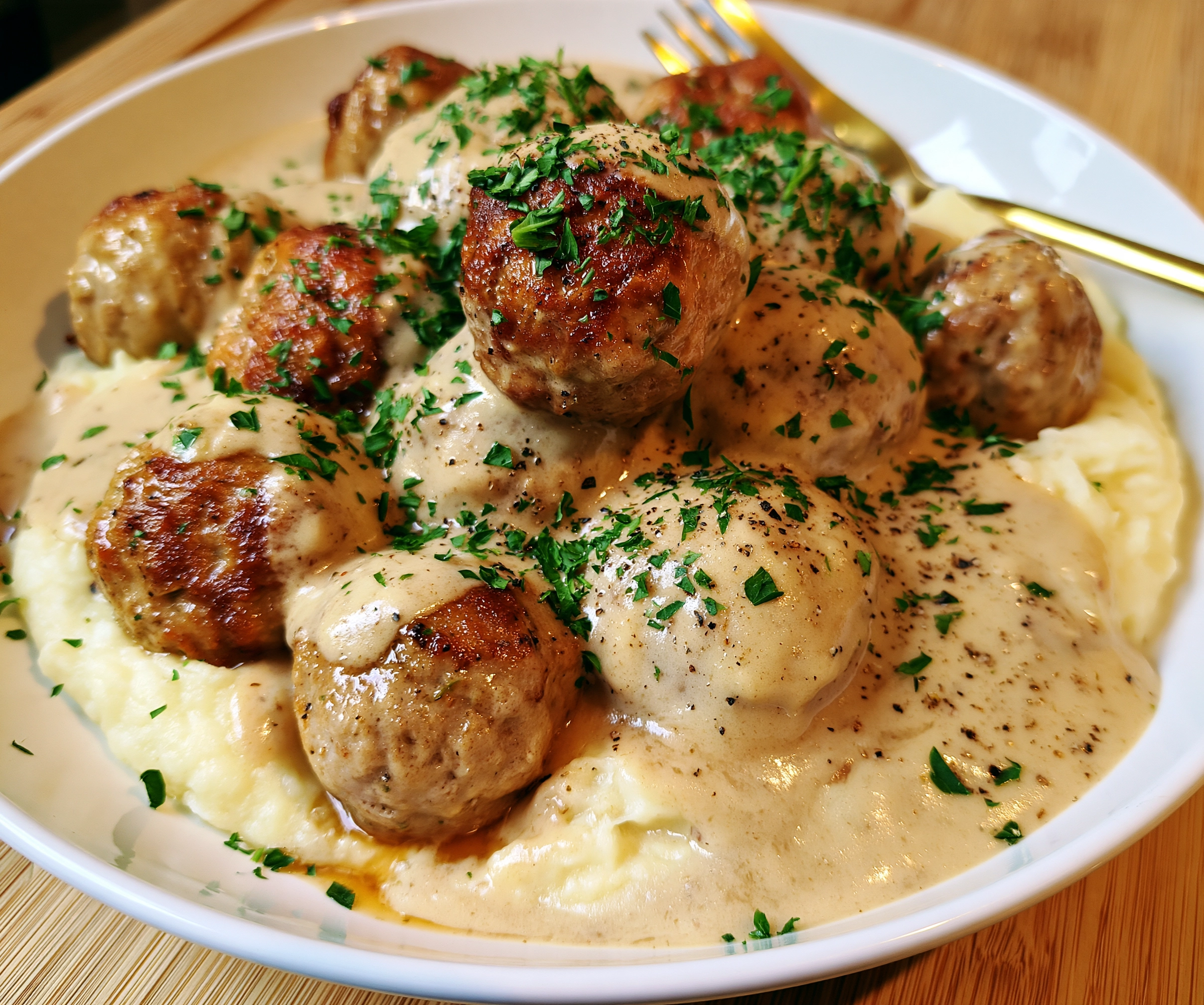
Korean BBQ Meatballs bring bulgogi flavor to bite-size form, with juicy beef meatballs simmered in a sticky soy-gochujang glaze. They work everywhere: over rice, in lettuce wraps, or as toothpick party appetizers. The stovetop method takes 25 minutes, and the glaze turns glossy and caramelized as it simmers. Skewer them for parties or pile them over rice for dinner.
Korean BBQ Meatballs are my answer when I want Korean BBQ flavor without firing up a grill or slicing meat. The meatballs carry soy, sugar, sesame, garlic, ginger, and gochujang in miniature, and the glaze does the rest. They are juicy, sticky, and gently spicy, which makes them a crowd-pleaser for both weeknights and parties.
The trick is treating the meatballs gently and the glaze patiently. Overmixed meat turns tough, while a short simmer turns the sauce sticky and shiny. If you enjoy beef appetizers with bold sauces, browse our Beef recipes for more ideas.
What I love most is how versatile one batch can be. Make them for dinner over rice, then turn the leftovers into lettuce wraps or party bites the next day. It is the rare recipe that covers a weeknight dinner and a gathering from a single pan.
Bulgogi Flavor in Korean BBQ Meatballs
Bulgogi flavor in miniature means soy, sugar, sesame, garlic, ginger, and gochujang packed into each bite, with the glaze adding a sticky, caramelized finish. The meatballs pick up the same sweet-savory balance as grilled bulgogi, but they cook in minutes and need no grill. A short simmer in the glaze ties the flavors together.
The gochujang brings gentle warmth rather than sharp heat, and the brown sugar helps the glaze cling and shine. Sesame oil at the end adds a nutty aroma that makes the whole pan smell like a Korean BBQ table. Keep the meatballs small, about 1 to 1 and 1/2 inches, so the glaze coats them evenly.
Ingredients
For the Meatballs:
- 1 lb 80/20 ground beef
- 1/3 cup panko breadcrumbs
- 1 large egg, lightly beaten
- 2 scallions, finely minced
- 1 tbsp grated fresh ginger
- 2 garlic cloves, minced
- 1 tbsp gochujang
For the Glaze:
- 1/3 cup soy sauce
- 1/4 cup brown sugar
- 1 tbsp rice vinegar
- 1 tsp sesame oil
- 1 tbsp cornstarch mixed with 2 tbsp cold water
- 1 tsp sesame seeds, for garnish
- Sliced scallions, for garnish
Step-by-Step Method
The stovetop method is the main route here, since it keeps the total at 25 minutes from mixing to serving.
1. Mix Gently and Roll
Combine the beef, panko, egg, scallions, ginger, garlic, and gochujang in a bowl, mixing gently with your hands until just combined. Roll about 16 meatballs, each 1 to 1 and 1/2 inches wide, and set them on a plate. Overmixing makes tough meatballs, so stop as soon as the mixture holds together.
2. Sear for Color
Heat 1 tablespoon of oil in a large skillet over medium-high heat and sear the meatballs for 2 to 3 minutes per side, turning gently, until browned outside. They do not need to cook through yet, since they finish in the glaze. A good sear adds flavor and helps the meatballs hold their shape.
3. Build the Glaze in the Same Pan
Remove the meatballs briefly, then pour the soy sauce, brown sugar, rice vinegar, and sesame oil into the same pan. Scrape up the browned bits as the sauce warms, since those bits carry deep savory flavor. The fond is the foundation of the glaze, so do not wipe the pan clean.
4. Simmer Until Sticky
Return the meatballs to the pan, bring the sauce to a gentle simmer, and cook for 5 to 7 minutes, turning the meatballs once or twice. Stir in the cornstarch slurry in the last 2 minutes if the glaze needs thickening, and cook until it coats the meatballs glossily. The meatballs are done when they read 160°F inside.
5. Rest and Garnish
Rest the pan off the heat for 2 minutes so the glaze settles and clings. Scatter sesame seeds and sliced scallions over the top for color and crunch. Serve over rice, in lettuce wraps, or on toothpicks, with any extra glaze spooned over.
Glaze Thickness Control
Glaze thickness comes down to slurry amount and simmer time, and both are easy to adjust. Start with the listed tablespoon of cornstarch mixed into cold water, stir it into the simmering sauce, and cook 2 minutes until glossy. If the glaze still looks thin, simmer 1 minute more before adding extra starch, which can turn it cloudy.
For sweetness, taste before serving and add brown sugar by the teaspoon if the glaze tastes sharp. For a thinner, saucier finish, add a splash of water at the end rather than skipping the slurry entirely. Remember the glaze thickens as it cools, so pull it when it looks a touch looser than you want.
Three Ways to Serve Korean BBQ Meatballs
Serve these meatballs over fluffy rice for the simplest dinner, with the extra glaze spooned on top and a cucumber salad on the side. The rice soaks up the sticky sauce, and the cool salad balances the warmth. For more rice-friendly dinners, explore our pasta and rice recipes.
For lettuce wraps, pile two meatballs into butter lettuce leaves with shredded carrot, cucumber, and a drizzle of glaze. The crisp leaves against the warm, sticky meatballs make a light but satisfying meal. For parties, skewer the meatballs with toothpicks and set out the extra glaze as a dip, which keeps them easy to grab.
Gluten-Free: use tamari instead of soy sauce, gluten-free panko, and a certified gluten-free gochujang, since some brands add wheat.
Storage and Freezing
Store leftover meatballs in their glaze in an airtight container in the fridge for 3 to 4 days. Reheat gently in a covered skillet with a splash of water, which loosens the glaze without making it sticky. The glaze protects the meatballs from drying out, so keep them sauced.
For freezing, freeze the meatballs glazed or unglazed for up to 3 months, then thaw overnight in the fridge and warm in fresh or reheated glaze. Each serving has approximately 450 calories, though values vary by brand and serving style. A fresh batch of glaze takes 5 minutes and tastes brighter.
Conclusion
Korean BBQ Meatballs prove that Korean BBQ flavor does not require a grill, a marinade, or a long ingredient list. Juicy meatballs, a sticky caramelized glaze, and three serving routes make one pan cover dinner, lunch wraps, and party bites. It is versatile, crowd-pleasing food with minimal effort.
Give this recipe a try this week, and I would love to hear your variations — your heat level, your serving style, or your own glaze twist. For more beef appetizers, browse our Beef recipes and our appetizers and snacks, or try the slow-braised richness of Beef Bourguignon for a weekend meal.
Frequently Asked Questions
Can I bake the meatballs instead of pan-frying?
Yes! Bake the meatballs at 400°F for 15 to 18 minutes, until they read 160°F inside, then simmer them in the glaze for 3 to 4 minutes. Baking is easier for a crowd, though the total runs about 40 minutes instead of 25. The glaze step stays the same either way.
How spicy is it, and how do I adjust?
The heat is gentle, since one tablespoon of gochujang gives warmth rather than a burn. For a milder version, halve the gochujang and add a teaspoon of tomato paste for body. For more heat, add gochujang by the teaspoon and simmer 1 minute between additions so the warmth blooms before you judge it.
Can I use ground turkey?
Absolutely! Ground turkey works well, though it dries out faster than beef, so add 1 tablespoon of oil to the mixture and check it a minute or two early. The glaze and seasonings stay the same, and the meatballs still turn juicy and sticky. Dark meat turkey holds up better than breast-only blends.
How do I serve them as party appetizers?
Skewer each meatball with a toothpick and arrange them on a platter with a small bowl of extra glaze for dipping. Keep them warm in a low oven or a slow cooker on the warm setting if the party runs long. Make a double batch, since toothpick appetizers disappear fast.
Can I freeze them?
Yes! Freeze the meatballs glazed or unglazed in an airtight container for up to 3 months. Thaw overnight in the fridge, then warm gently in a skillet with the glaze or a fresh batch of it. A splash of water loosens reheated glaze back to glossy.
Sticky Korean BBQ Meatballs
Juicy beef meatballs simmered in a sticky soy-gochujang glaze, served over rice, in lettuce wraps, or as party appetizers.
4
servings10
minutes15
minutes450
kcal25
minutesIngredients
- For the Meatballs
1 lb 80/20 ground beef
1/3 cup panko breadcrumbs
1 large egg, lightly beaten
2 scallions, finely minced
1 tbsp grated fresh ginger
2 garlic cloves, minced
1 tbsp gochujang
- For the Glaze
1/3 cup soy sauce
1/4 cup brown sugar
1 tbsp rice vinegar
1 tsp sesame oil
1 tbsp cornstarch mixed with 2 tbsp cold water
1 tsp sesame seeds, for garnish
Sliced scallions, for garnish
Directions
- Mix Gently and Roll: Combine the meatball ingredients gently, roll about 16 meatballs, each 1 to 1 and 1/2 inches wide.
- Sear for Color: Sear in 1 tablespoon of oil over medium-high heat for 2 to 3 minutes per side until browned outside.
- Build the Glaze in the Same Pan: Remove the meatballs briefly, add the glaze ingredients except the slurry, and scrape up the browned bits.
- Simmer Until Sticky: Return the meatballs, simmer 5 to 7 minutes, turning once or twice, stir in the slurry in the last 2 minutes if needed, until the meatballs read 160°F inside.
- Rest and Garnish: Rest 2 minutes off the heat, scatter sesame seeds and scallions, and serve over rice, in lettuce wraps, or on toothpicks.
Notes
- The 25-minute total requires the stovetop method; the oven method runs about 40 minutes. USDA guidance for ground beef is 160°F. Fridge 3 to 4 days in glaze; freeze glazed or unglazed up to 3 months.

2 Comments