

Delicious Classic Homemade Meatloaf Recipe
A perfectly executed classic homemade meatloaf delivers comfort, nostalgia, and rich flavor in every slice. This timeless recipe combines seasoned ground meat, aromatic vegetables, and a tangy glaze that caramelizes beautifully during baking. When prepared correctly, meatloaf remains juicy, tender, and full of balanced seasoning rather than dense or dry. Ideal for family dinners, meal prep, or freezer-friendly cooking, this dish offers both convenience and satisfaction. The secret lies in proper mixing, moisture balance, and controlled baking temperature. With simple pantry staples and reliable technique, you can create a restaurant-quality meatloaf that slices cleanly and holds its shape. Whether served with mashed potatoes, roasted vegetables, or fresh salad, this classic recipe becomes a dependable centerpiece. This expertly crafted version focuses on texture, flavor layering, and professional presentation for consistently excellent results.
The Dense Texture Problem That Ruins Meatloaf
One of the most common mistakes when making classic homemade meatloaf is overmixing the meat mixture. Many cooks continue stirring until everything looks fully combined, but excessive mixing compacts the proteins in the ground meat. This creates a dense, tight texture instead of the tender, juicy consistency expected from a well-made meatloaf. Overworking also squeezes out natural moisture, leading to dryness during baking. Another issue occurs when the mixture is pressed too firmly into the loaf pan, further compressing it. This prevents air pockets from forming, which are essential for lightness. The result is a heavy, tough meatloaf that lacks flavor distribution. Proper handling is crucial because meatloaf relies on gentle mixing to maintain softness. Maintaining structure without compression ensures the final loaf slices neatly while remaining moist and flavorful throughout.
Gentle Mixing Technique for Tender Results
The solution is to mix the ingredients lightly and stop as soon as they are combined. Start by blending wet ingredients such as eggs, milk, and seasonings in a separate bowl before adding them to the ground meat. This ensures even distribution without excessive mixing. When combining, use clean hands or a fork and fold gently rather than kneading. Avoid pressing the mixture tightly into the pan; instead, shape it loosely into a loaf. This allows heat to circulate evenly and preserves moisture. Another helpful technique is adding breadcrumbs soaked in milk, which improves tenderness. During baking, avoid overcooking, as this can also cause firmness. By handling the mixture carefully and shaping lightly, the meatloaf retains a soft interior, balanced texture, and professional-quality finish that enhances both taste and presentation.
Ingredients List
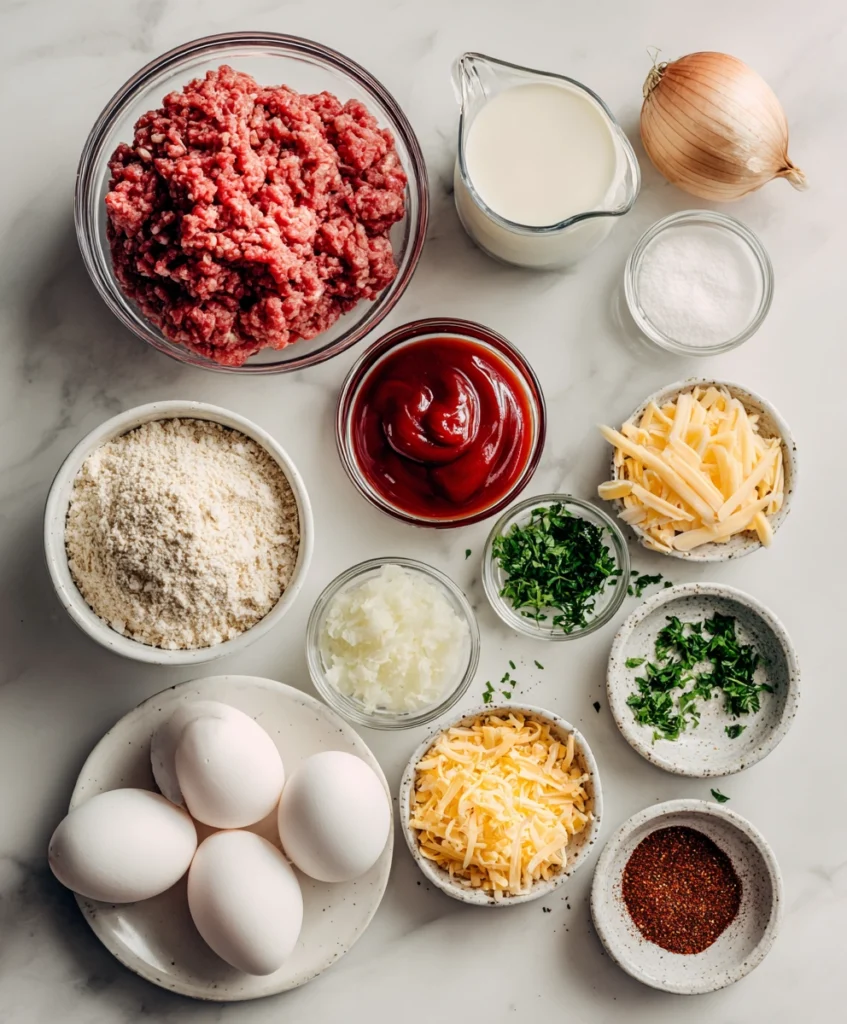
Base Ingredients:
- 2 pounds ground beef
- 1 cup breadcrumbs
- 1 cup milk
- 2 large eggs
- 1 small onion, finely chopped
- 3 cloves garlic, minced
- 2 tablespoons ketchup
- 1 tablespoon Worcestershire sauce
- 1 teaspoon salt
- ½ teaspoon black pepper
Optional Add-ins:
- ½ teaspoon smoked paprika
- ½ teaspoon dried thyme
- ¼ cup chopped parsley
- ½ cup shredded cheddar cheese
- ¼ cup finely diced bell peppers
- 2 tablespoons barbecue sauce
Step-by-Step Instructions
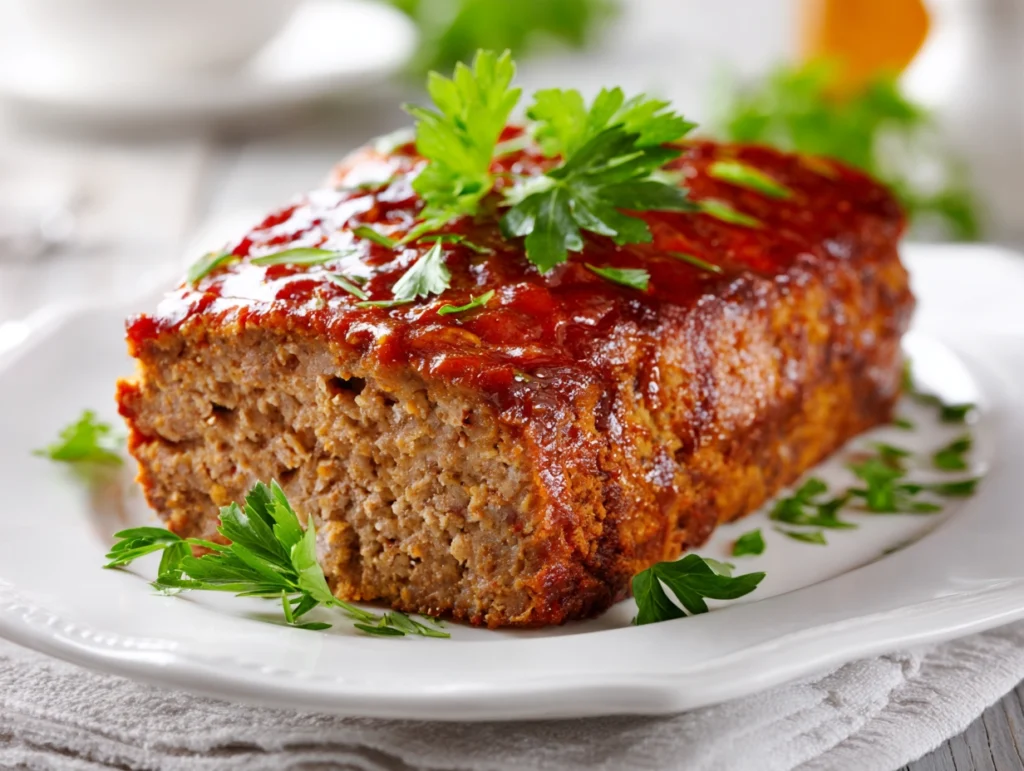
Step 1: Prepare the Meat Mixture
Preheat the oven to 375°F (190°C). In a large bowl, combine breadcrumbs and milk, allowing them to soak for two minutes until softened. This step ensures tenderness. Add eggs, ketchup, Worcestershire sauce, salt, and pepper, whisking lightly. Incorporate chopped onion and garlic for aroma. Add ground beef last, gently folding the mixture using your hands. Avoid squeezing or kneading, as this can create a dense texture. Mix only until ingredients are evenly distributed. The mixture should remain slightly loose. This technique ensures the meatloaf stays moist, tender, and evenly seasoned after baking.
Step 2: Shape the Meatloaf
Transfer the mixture to a lined baking tray or lightly greased loaf pan. Shape it into a uniform loaf using gentle pressure. Avoid compressing the mixture tightly. Leave small gaps around the edges if using a loaf pan to allow heat circulation. Smooth the top slightly to ensure even cooking. If you prefer a free-form loaf, shape it directly on a baking sheet for better browning. This method encourages caramelization around the edges. Proper shaping ensures the meatloaf cooks evenly while maintaining a tender interior and attractive presentation.
Step 3: Prepare the Glaze
In a small bowl, combine ketchup with a little Worcestershire sauce and optional barbecue sauce. Mix until smooth. Spread the glaze evenly across the top of the meatloaf using a spoon or brush. This glaze caramelizes during baking, adding moisture and flavor. Apply it gently without pressing down on the loaf. The glaze also helps create a glossy finish and slightly sweet tang. For layered flavor, reserve a small portion to add halfway through baking. This ensures a vibrant, flavorful coating that enhances both taste and appearance.
Step 4: Bake the Meatloaf
Place the shaped meatloaf in the preheated oven. Bake uncovered for about 50 to 60 minutes, depending on size. Halfway through cooking, you may brush additional glaze on top for extra flavor. Avoid opening the oven frequently, as this lowers temperature and affects cooking time. The meatloaf is done when the internal temperature reaches 160°F (71°C). Proper baking ensures the loaf remains juicy while fully cooked. Allow the exterior to develop a slightly caramelized crust. This step locks in moisture and enhances texture.
Step 5: Rest and Slice
Remove the meatloaf from the oven and let it rest for at least 10 minutes before slicing. Resting allows juices to redistribute throughout the loaf, preventing dryness. Cutting too soon causes moisture loss and crumbling. Use a sharp knife to slice evenly. Serve warm with your preferred side dishes. This final step ensures clean slices, professional presentation, and maximum flavor retention. Resting also improves texture, making each slice tender and cohesive.
Cook Time
Total: 1 hour 10 minutes
Prep: 15 minutes
Bake: 55 minutes
Servings
This classic homemade meatloaf recipe serves approximately six generous portions, making it ideal for family dinners or meal prep. Each serving offers a balanced combination of protein, flavor, and comfort. The loaf can easily be doubled for larger gatherings without changing the cooking method. Individual slices hold their shape well, making them perfect for leftovers and sandwiches. Portion sizes can also be adjusted depending on side dishes. This recipe is particularly practical because it reheats beautifully and maintains moisture. Whether served fresh from the oven or the next day, each serving remains flavorful and satisfying. The consistency ensures even distribution of ingredients in every slice, providing reliable quality. This makes the recipe convenient for both weekday meals and special occasions.
Makes approximately 6 servings
Nutritional Information (approx. per serving)
- Calories: 420 kcal
- Protein: 28g
- Carbohydrates: 18g
- Fat: 26g
- Fiber: 1g
- Sodium: 520mg
This classic meatloaf provides a strong source of protein, supporting muscle maintenance and satiety. The combination of meat, eggs, and milk contributes essential nutrients like iron, zinc, and B vitamins. Balanced portions help maintain energy levels while delivering comforting flavor. When paired with vegetables, the meal becomes nutritionally complete. Moderate fat content adds richness without being excessive. Using lean ground beef can reduce calories while maintaining texture. The recipe also supports meal planning due to its filling nature. Overall, it delivers a wholesome balance of taste and nutrition suitable for regular family meals.
Storage Instructions
Allow the meatloaf to cool completely before storing. Wrap tightly in foil or place slices in airtight containers. Refrigerate for up to four days. For freezing, wrap individual portions securely and store for up to three months. Thaw overnight in the refrigerator before reheating. To reheat, place slices in the oven at 325°F until warmed through, adding a small splash of broth to maintain moisture. Avoid microwaving for long periods, as this can dry the meat. Proper storage preserves flavor and texture. Keeping portions separate also makes reheating easier for quick meals. Always ensure the meatloaf is reheated thoroughly before serving. These steps maintain quality and food safety while extending shelf life.
Suggestions
Serve this classic meatloaf with creamy mashed potatoes, roasted vegetables, or buttered green beans for a traditional pairing. For a lighter option, add a crisp garden salad. You can also transform leftovers into sandwiches using toasted bread and extra glaze. Adding sautéed mushrooms on top enhances flavor depth. For variation, try mixing ground beef with ground turkey. Including grated carrots or zucchini adds moisture and subtle sweetness. A sprinkle of fresh parsley brightens presentation. These suggestions allow customization while maintaining the recipe’s classic appeal. Adjust seasoning according to preference for personalized results. Experimenting with sides and toppings keeps the dish versatile and enjoyable.
Seasonal Relevance
Classic homemade meatloaf is particularly comforting during fall and winter when hearty meals are preferred. The warm, savory flavors pair perfectly with seasonal root vegetables. During colder months, it provides satisfying nourishment and warmth. In spring and summer, it can be served with lighter sides such as fresh salads. The recipe’s adaptability makes it suitable year-round. Seasonal herbs can enhance flavor depending on availability. This versatility ensures the dish remains practical regardless of season. Its make-ahead nature also suits busy holiday schedules. Whether served at family gatherings or weeknight dinners, the recipe fits seamlessly into seasonal menus. The comforting nature makes it especially popular in cooler weather.
Conclusion
Delicious Classic Homemade Meatloaf is a timeless recipe that combines simplicity with exceptional flavor. With proper mixing, thoughtful seasoning, and careful baking, this dish becomes tender, juicy, and perfectly balanced. It’s versatile enough for casual dinners yet satisfying enough for special occasions. The combination of pantry staples and straightforward technique makes it accessible for all skill levels. Once mastered, this recipe becomes a dependable favorite. Its ability to store well and reheat beautifully adds convenience. The rich glaze, tender interior, and comforting aroma create a memorable dining experience. Whether served fresh or as leftovers, this meatloaf consistently delivers quality. It stands as a reliable classic worth keeping in every home cook’s collection.
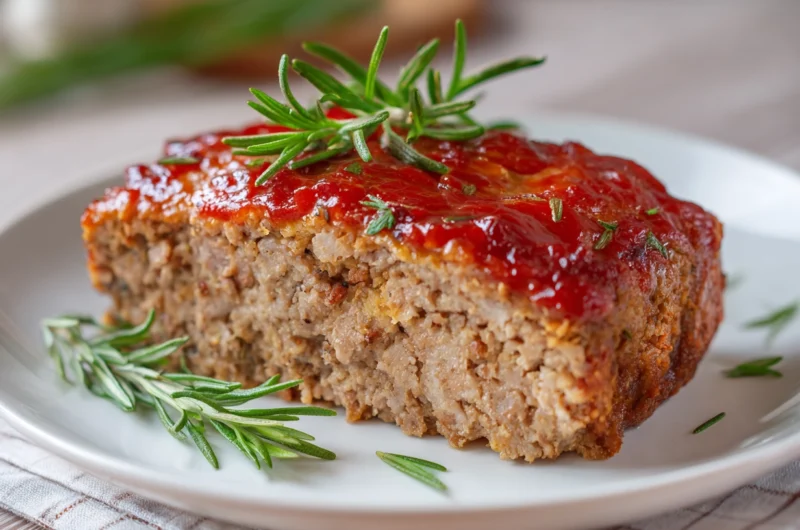
Delicious Classic Homemade Meatloaf Recipe
6
servings15
minutes55
minutes420
kcalClassic homemade meatloaf featuring seasoned ground beef, tender texture, and a tangy glaze. Perfect for family dinners, meal prep, and comforting weeknight meals with simple ingredients and reliable results.
Ingredients
2 pounds ground beef
1 cup breadcrumbs
1 cup milk
2 large eggs
1 small onion, finely chopped
3 cloves garlic, minced
2 tablespoons ketchup
1 tablespoon Worcestershire sauce
1 teaspoon salt
½ teaspoon black pepper
Optional smoked paprika
Optional dried thyme
Optional chopped parsley
Optional shredded cheddar cheese
Directions
- Preheat oven to 375°F (190°C) and lightly grease a loaf pan.
- Soak breadcrumbs in milk for two minutes until softened.
- Add eggs, ketchup, Worcestershire sauce, salt, and pepper.
- Mix in onion and garlic, then gently fold in ground beef.
- Shape mixture into a loaf and place in pan or on baking tray.
- Spread additional ketchup or glaze on top.
- Bake for 55 minutes until cooked through.
- Rest for 10 minutes before slicing and serving.
Recipe Video
Notes
- Avoid overmixing to keep meatloaf tender.
- Let meatloaf rest before slicing.
- Use lean beef for lower fat option.
- Add vegetables for extra moisture.
FAQs
Can I use ground turkey instead of beef?
Yes, ground turkey works well as a substitute. Choose a blend that includes some fat to prevent dryness. You may also add an extra tablespoon of milk or a little olive oil to maintain moisture and ensure the meatloaf remains tender and flavorful.
Why does my meatloaf fall apart when slicing?
Meatloaf can crumble if it lacks binding ingredients or is sliced too soon. Ensure you use eggs and breadcrumbs, and allow the loaf to rest for at least ten minutes after baking. Resting helps the juices redistribute and improves structure.
Should meatloaf be covered while baking?
Meatloaf is best baked uncovered so the top glaze caramelizes properly. Covering traps steam and prevents browning. If the top starts to darken too quickly, loosely tent with foil during the final minutes to prevent burning while finishing cooking evenly.