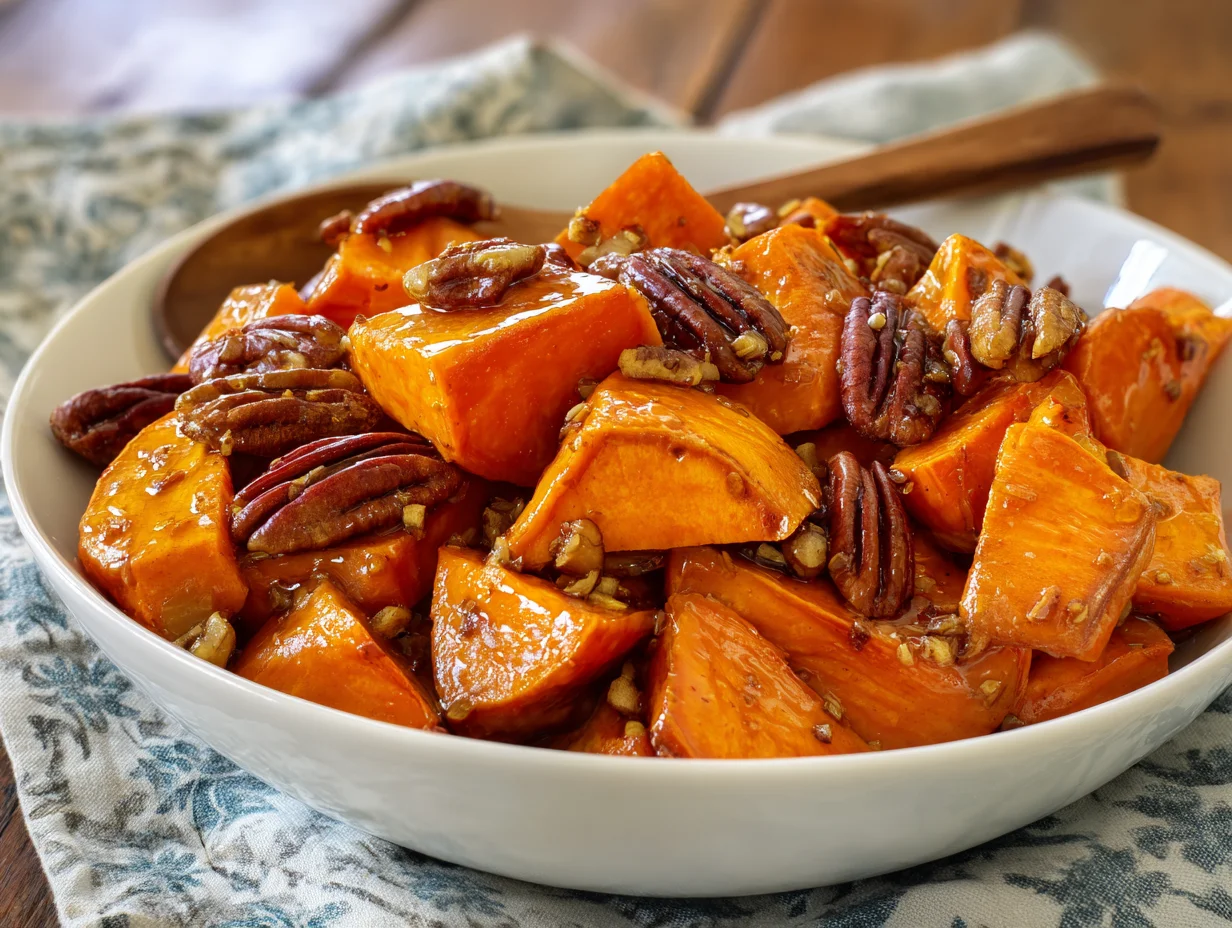
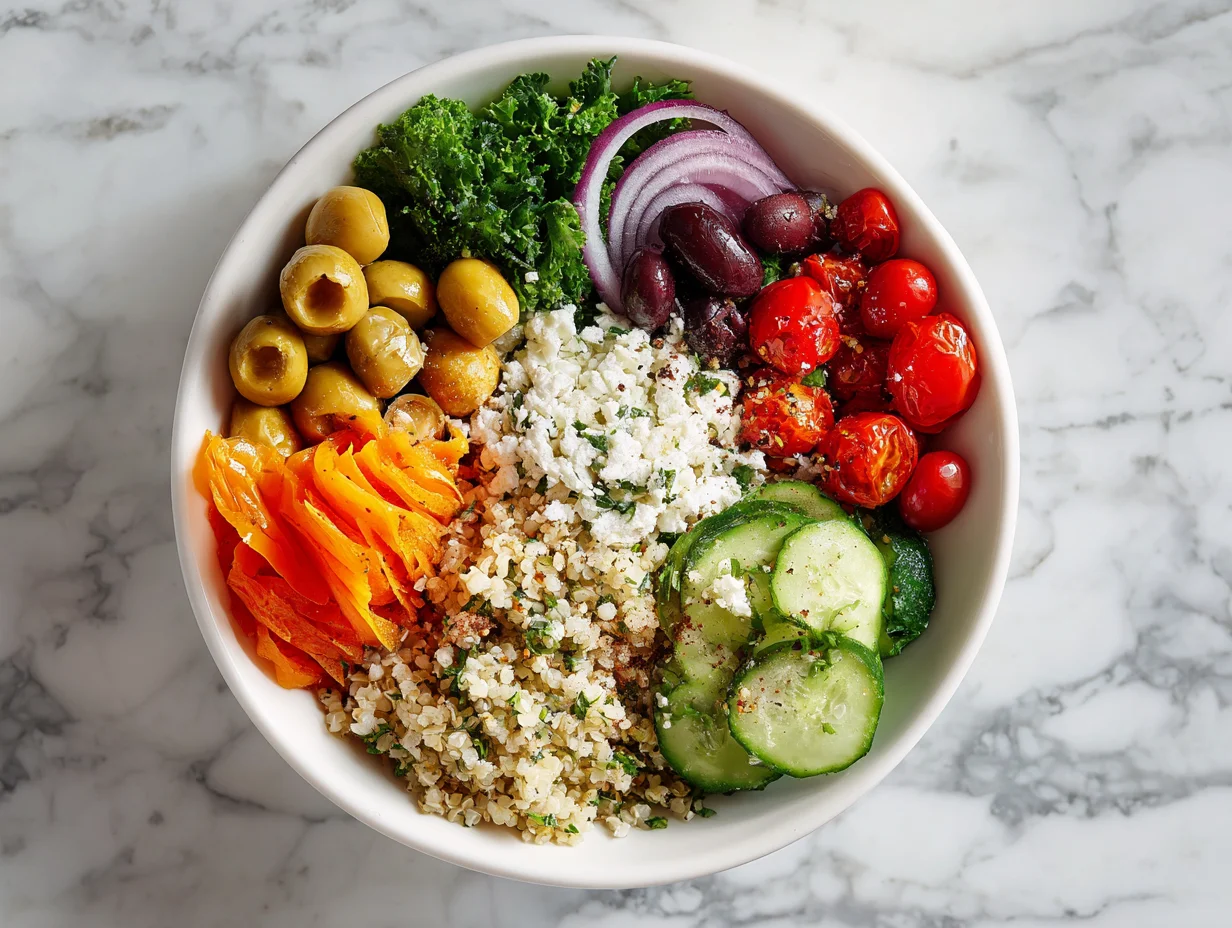
Balanced Nourish Bowl Recipe
A truly exceptional nourish bowl isn’t just a meal, it’s a strategic balance of flavor, nutrition, and texture designed to fuel the body efficiently. In today’s fast-paced world, where convenience often compromises quality, mastering a balanced nourish bowl gives you full control over what you eat without sacrificing taste or satisfaction.
What sets this recipe apart is its thoughtful composition. Each ingredient is selected not just for flavor, but for how it contributes to sustained energy, gut health, and overall wellness. This is not another trendy bowl, it’s a chef-curated formula for optimal nourishment.
Whether you’re meal-prepping for a productive week or creating a wholesome lunch that actually keeps you full, this balanced nourish bowl delivers. It’s clean, customizable, and designed for real-life consistency, making it a staple you’ll return to again and again.
👉 If you enjoy wholesome plant-based bowls, you’ll also love our Spring Quinoa Bowl.
Where Most Home Cooks Go Wrong with This Bowl
One of the most common mistakes in preparing a nourish bowl is overloading it with too many ingredients without considering balance. People often assume that adding more vegetables, grains, and proteins automatically makes the bowl healthier, but this leads to overwhelming flavors and poor digestion. A nourish bowl should feel cohesive, not chaotic, where every component complements the other.
Another frequent issue is improper seasoning. Many home cooks rely heavily on sauces to bring flavor, neglecting the importance of seasoning each component individually. This results in uneven taste, where some bites are bland while others are overpowering. A professional approach ensures that grains, proteins, and vegetables are all seasoned thoughtfully before assembly.
Texture imbalance is another overlooked mistake. A great nourish bowl requires contrast, creamy, crunchy, soft, and fresh elements working together. Without this variation, the dish becomes monotonous and less satisfying, even if the ingredients themselves are high quality.
Lastly, poor portioning disrupts the nutritional integrity of the bowl. Too many carbs or excessive dressing can quickly turn a healthy meal into a calorie-dense one. Precision in portions is what separates a well-crafted nourish bowl from an average one.
How to Perfect Your Nourish Bowl Every Time
Start by simplifying your ingredient selection. Focus on a structured approach: one base, one protein, two vegetables, and one healthy fat. This keeps the bowl balanced and prevents overcrowding. A restrained selection enhances both presentation and digestion, making the meal more enjoyable and effective.
Seasoning should be layered, not added at the end. Lightly season your grains while cooking, marinate your protein, and finish vegetables with a touch of salt or citrus. This ensures that every bite carries depth and consistency rather than relying solely on dressing.
Pay close attention to texture contrast. Combine roasted vegetables for depth, fresh greens for brightness, and something crunchy like seeds or nuts. This variety not only improves the eating experience but also keeps the meal satisfying for longer periods.
Finally, control your portions with intention. Use dressings sparingly and prioritize whole ingredients. A balanced nourish bowl should leave you energized, not heavy, making portion discipline essential for both taste and nutrition.
Ingredients You’ll Need
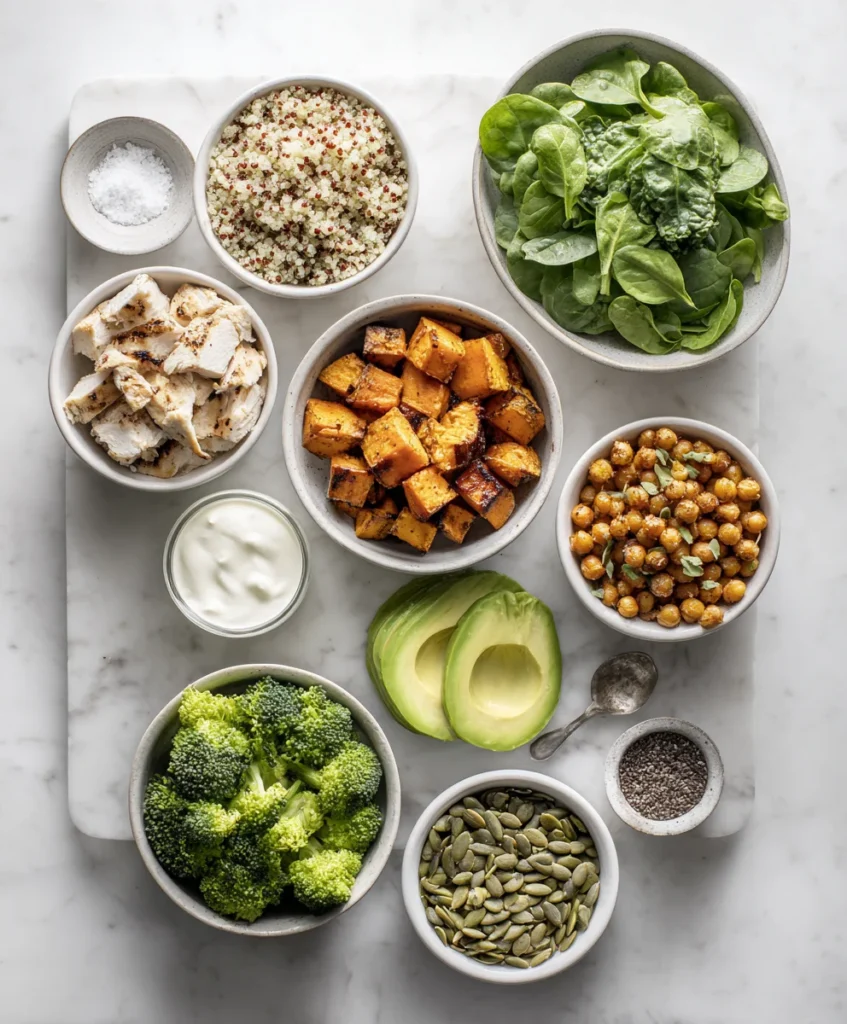
Base Ingredients:
- Cooked quinoa or brown rice
- Grilled chicken breast or chickpeas
- Roasted sweet potatoes
- Steamed broccoli
- Fresh spinach or mixed greens
- Avocado slices
Optional Add-ins:
- Pumpkin seeds or sunflower seeds
- Feta cheese or vegan alternative
- Tahini or yogurt-based dressing
- Pickled onions
- Cherry tomatoes
- Lemon wedges
Step-by-Step Instructions
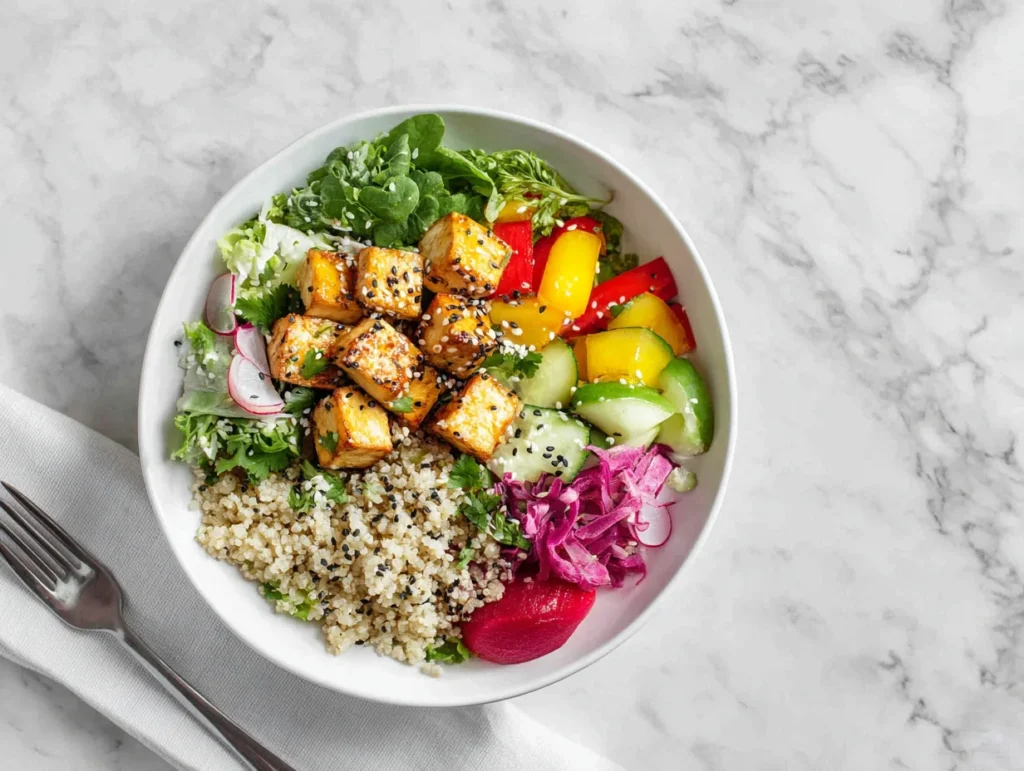
Step 1: Prepare the Base
Start by cooking your quinoa or brown rice until fluffy and well-separated. Use a light pinch of salt during cooking to enhance natural flavor without overpowering it. Once cooked, let it cool slightly to avoid wilting fresh ingredients later. This base forms the structural foundation of your nourish bowl, so consistency and texture are key. Avoid overcooking, as mushy grains will compromise the overall eating experience and reduce visual appeal.
Step 2: Cook the Protein
Season your protein choice generously before cooking. If using chicken, grill or pan-sear until golden and juicy. For plant-based options like chickpeas, roast them with olive oil and spices until slightly crispy. Properly cooked protein adds both flavor and satiety. Ensure it is not dry or under-seasoned, as this component anchors the bowl nutritionally and taste-wise.
Step 3: Prepare Vegetables
Roast sweet potatoes with a drizzle of oil until caramelized and tender. Steam broccoli lightly to retain its color and nutrients. Fresh greens should be washed and dried thoroughly. Combining both cooked and raw vegetables ensures a dynamic texture and a wide nutrient profile. Avoid overcooking vegetables, as it diminishes both flavor and nutritional value.
👉 For another nutritious and colorful option, try the Beet Sweet Potato Quinoa Salad.
Step 4: Assemble the Bowl
Begin with your grain base, then layer protein, vegetables, and fresh greens. Add avocado slices for creaminess and finish with seeds or cheese if desired. Drizzle dressing lightly over the top rather than mixing everything together. This keeps flavors distinct and visually appealing. A well-assembled bowl should look vibrant and feel balanced in every bite.
Cook Time
Total: 35 minutes
Prep: 15 minutes
Bake: 20 minutes
Servings
This recipe is designed to serve approximately two to three portions, depending on individual appetite and dietary needs. It’s ideal for both single meals and meal prep scenarios where consistency and convenience matter.
For larger households or weekly planning, the ingredients can easily be scaled without compromising quality. Maintaining proportion between base, protein, and vegetables ensures the bowl remains balanced regardless of quantity.
Each serving is filling yet light, making it suitable for lunch or dinner. The versatility of this nourish bowl allows it to adapt to different portion sizes while maintaining its core nutritional integrity.
Makes approximately 2–3 servings
Nutritional Information (approx. per serving)
- Calories: 420–480 kcal
- Protein: 20–25g
- Carbohydrates: 45–50g
- Healthy Fats: 15–18g
- Fiber: 10–12g
This nourish bowl supports sustained energy through a balanced mix of macronutrients. The combination of complex carbs and protein helps maintain stable blood sugar levels, reducing energy crashes throughout the day.
High fiber content improves digestion and promotes gut health. Ingredients like quinoa, vegetables, and seeds contribute to better nutrient absorption and long-term wellness.
Healthy fats from avocado and seeds enhance brain function and satiety. These fats also help in absorbing fat-soluble vitamins, making the bowl nutritionally efficient and deeply satisfying.
👉 If you like balanced veggie-packed meals, don’t miss our Protein Double Bean Mediterranean Salad.
Storage Instructions
Store each component separately in airtight containers to maintain freshness and texture. Grains and proteins can be refrigerated for up to three days without losing quality. This separation prevents sogginess and preserves the integrity of each ingredient.
Vegetables should be stored according to their type. Roasted vegetables can be refrigerated, while fresh greens should be kept dry and consumed within two days for optimal freshness and crispness.
Avoid adding dressing before storage. Keep it in a separate container and drizzle just before serving. This ensures that the bowl remains fresh and prevents ingredients from becoming overly moist.
When reheating, only warm the grains and protein. Keep fresh elements like greens and avocado cold. This contrast enhances the eating experience and maintains the intended texture balance.
Suggestions
Experiment with global flavors to keep the nourish bowl exciting. Try Mediterranean spices, Asian-inspired dressings, or Mexican-style toppings to diversify your meals without changing the core structure.
Use seasonal vegetables to maximize freshness and cost efficiency. This not only improves flavor but also aligns your meals with natural produce cycles, enhancing overall quality.
For added protein, consider incorporating boiled eggs, tofu, or lentils. These options provide variety and cater to different dietary preferences without compromising balance.
Presentation matters. Arrange ingredients thoughtfully rather than mixing everything together. A visually appealing bowl enhances the eating experience and makes the meal more satisfying.
Seasonal Relevance
In summer, opt for lighter ingredients like cucumber, leafy greens, and citrus dressings. These choices keep the bowl refreshing and hydrating, perfect for warmer weather conditions.
During winter, incorporate roasted root vegetables and warm grains. These elements provide comfort and warmth while maintaining nutritional balance.
Spring is ideal for fresh herbs, peas, and vibrant greens. These ingredients bring brightness and a natural detox effect to your meals.
In autumn, focus on earthy flavors like pumpkin, sweet potatoes, and nuts. These seasonal additions create a richer, more comforting nourish bowl experience.
Finl Words
A balanced nourish bowl is more than a recipe—it’s a framework for mindful eating. Once you understand the structure, you can adapt it endlessly to suit your taste and lifestyle.
Consistency is key. Preparing nourish bowls regularly helps build healthy habits without feeling restrictive or repetitive.
Quality ingredients make all the difference. Investing in fresh, well-sourced components elevates both flavor and nutritional value significantly.
Ultimately, this recipe empowers you to take control of your meals with confidence. It’s simple, effective, and designed to deliver results you can feel every day.
👉 For a hearty and healthy grain-based dish, check out the Mediterranean Diet Bean Salad.
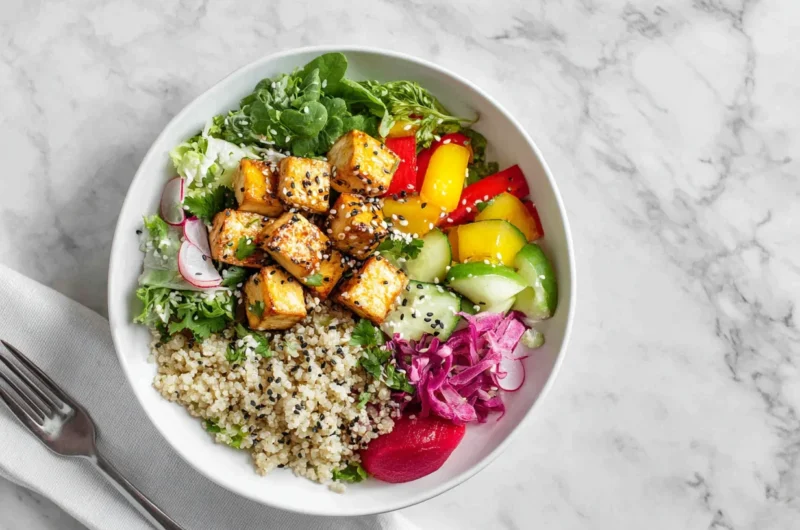
Balanced Nourish Bowl Recipe
2
servings15
minutes20
minutes420
kcalA balanced nourish bowl packed with wholesome grains, protein, and fresh vegetables. Designed for optimal nutrition and flavor, this recipe offers a satisfying, customizable meal perfect for healthy lunches, dinners, or efficient weekly meal prep routines.
👉 If you’re looking for another clean-eating meal idea, explore the Healthy Chicken and Sweet Potato Bowls Recipe.
Ingredients
1 cup cooked quinoa or brown rice
1 cup grilled chicken or roasted chickpeas
1 cup roasted sweet potatoes
1 cup steamed broccoli
1 cup fresh spinach or mixed greens
1 avocado, sliced
2 tbsp seeds (pumpkin or sunflower)
2–3 tbsp dressing (tahini or yogurt-based)
Salt and pepper to taste
Directions
- Cook quinoa or rice according to package instructions and let it cool slightly.
- Season and cook protein until tender and flavorful.
- Roast sweet potatoes and steam broccoli until just cooked.
- Assemble bowl with grains, protein, vegetables, and greens.
- Add avocado, seeds, and drizzle dressing before serving.
Recipe Video
Notes
- Keep ingredients separate for meal prep storage.
- Add dressing just before serving for best texture.
- Swap protein or grains based on dietary preference.
- Use seasonal vegetables for enhanced flavor and freshness.
Frequently Asked Questions
Can I prepare a nourish bowl in advance for the entire week?
Yes, you can prep components like grains, proteins, and roasted vegetables in advance and store them separately. Assemble fresh portions daily for best taste and texture. Avoid adding dressing early to prevent sogginess and maintain freshness throughout the week.
What is the best dressing for a balanced nourish bowl?
A light dressing like tahini, lemon vinaigrette, or yogurt-based sauce works best. The goal is to enhance flavor without overpowering ingredients. Keep it minimal and balanced so each component’s natural taste remains noticeable and enjoyable.
How can I make this bowl more filling without adding extra calories?
Increase fiber-rich vegetables and lean protein portions instead of adding more grains or fats. Ingredients like broccoli, spinach, and chickpeas help you feel fuller longer while keeping calorie intake controlled and nutritionally efficient.