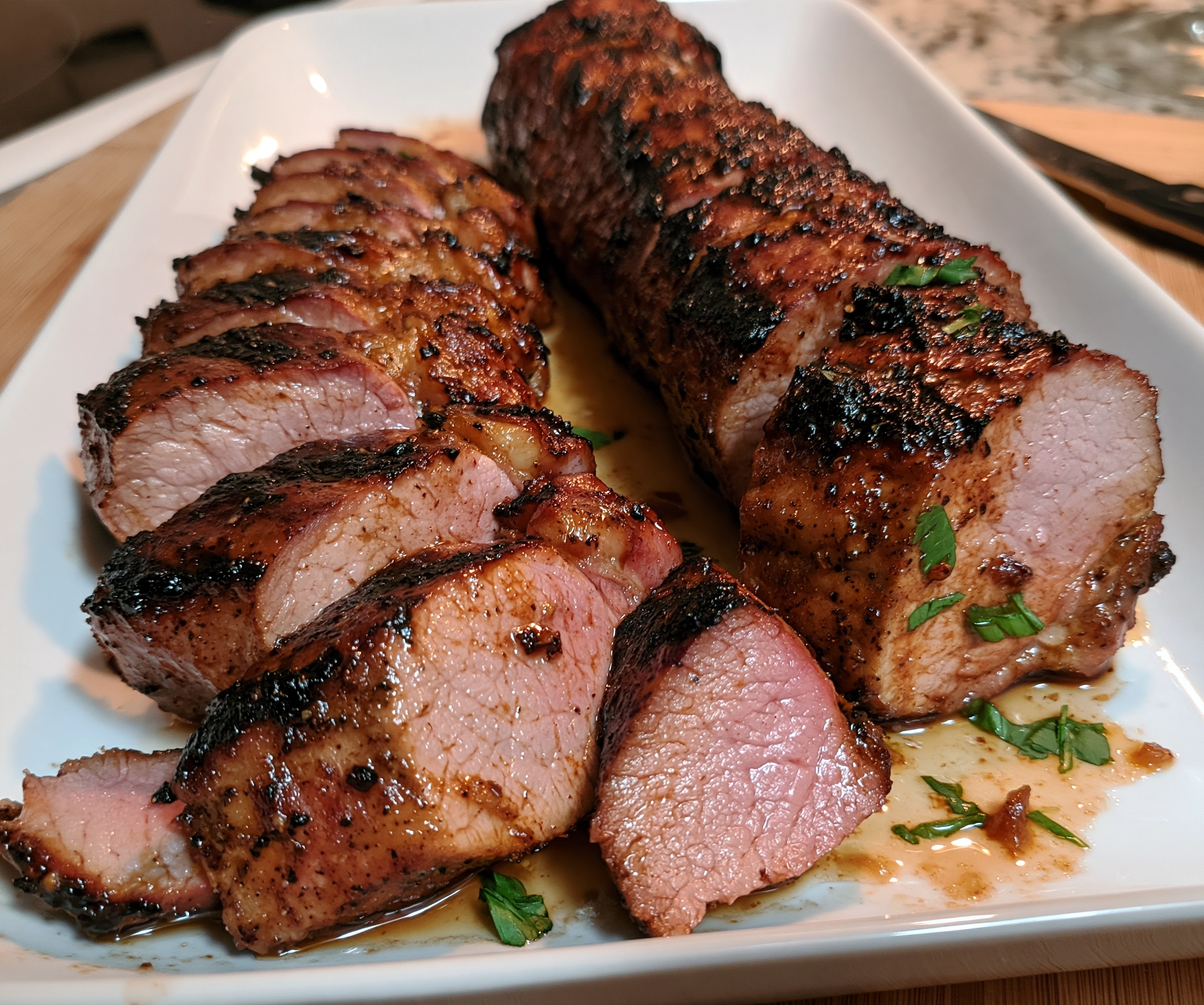
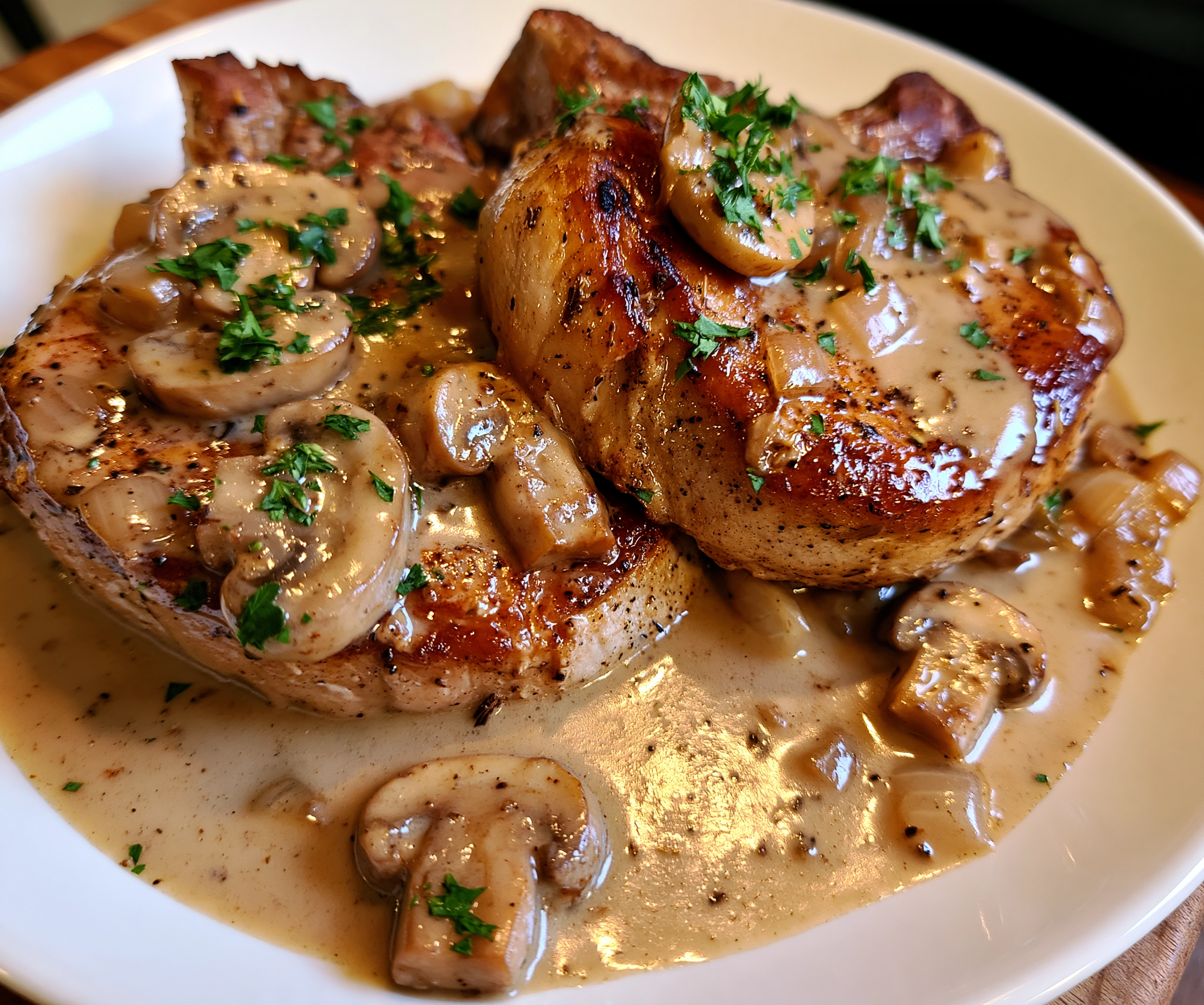
Meltingly Tender Slow Roasted Pork Shoulder
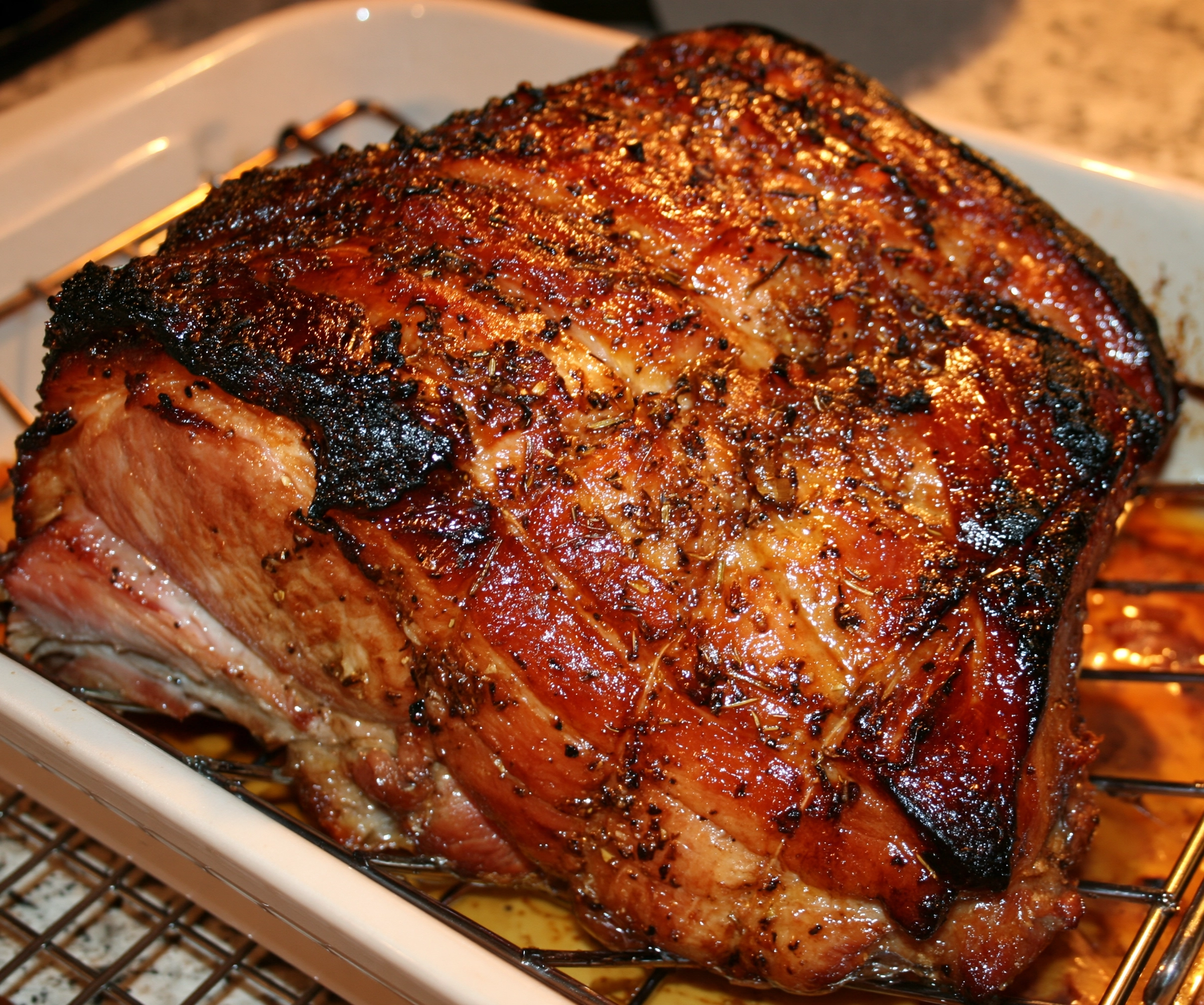
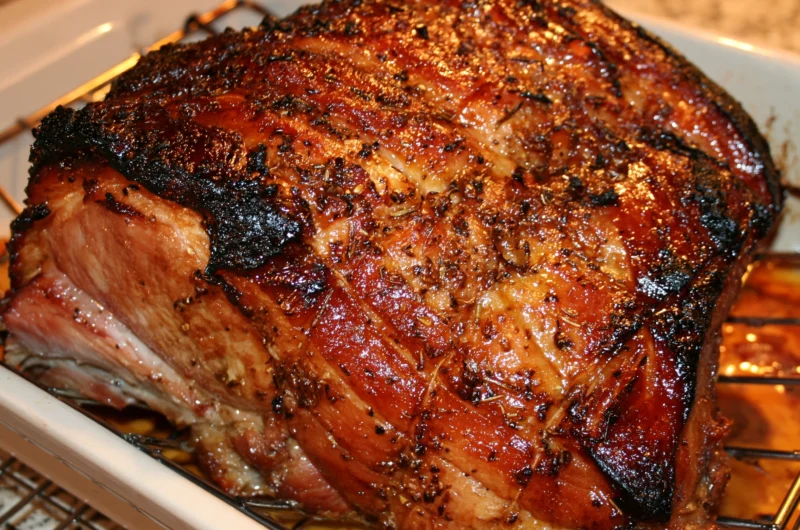
Low and slow turns a pork shoulder meltingly tender, while dry skin, even salt, and a final high-heat blast make the crackling. This slow roasted pork shoulder takes time but almost no effort, and the drippings make a gravy that is liquid gold. Feed a crowd, then pile the leftovers into sandwiches.
The roast that perfumes the whole house all afternoon — this slow roasted pork shoulder is the oven doing the work while you do almost nothing. The meat turns meltingly tender, the skin turns to crackling, and the drippings turn into a gravy worth saving. Patience is the only ingredient you cannot buy. It is the kind of cooking that makes the whole house smell like a celebration.
The rest stays simple on purpose. One shoulder, a short seasoning, and a roasting pan are all you need, and the afternoon belongs to the oven. The secret is the skin: dry it, salt it evenly, and finish with a high-heat blast. Carve it at the table with apple sauce on the side, save the drippings, and pile the leftovers into sandwiches the next day.
Why Dry Skin and Salt Decide the Crackling
Dry skin and salt decide the crackling because moisture is the enemy of crisp skin. Wet skin steams instead of bubbling, and unsalted patches stay rubbery while the rest crisps. Dry the skin thoroughly, salt it evenly, and the whole surface turns to glass.
Crackling is dried skin that bubbles and crisps under high heat, and it needs two things: no surface moisture and an even salt layer. Pat the skin dry with paper towels, and if you have time, leave the shoulder uncovered in the refrigerator overnight — the cold, dry air does the work for you. Salt draws out the last moisture and helps the skin blister, but only where it actually lands, so rub it into every patch. The salt also seasons the skin itself, so every bite of crackling tastes like something, not just crunch.
The final blast is what finishes the job. After hours of slow roasting, thirty minutes at 485°F turns the dried, salted skin into bubbly, shattering crackling. Skip the blast and the skin stays soft, no matter how long the roast cooked.
Ingredients
The list is short, and every item earns its place. Gather everything before you start, because the seasoning goes on before the oven heats.
For the Pork Shoulder:
- 1 boneless skin-on pork shoulder, 4 to 5 lb
- 1 1/2 tsp kosher salt, for the flesh
- 1 tsp black pepper
- 2 tsp fennel seeds
- 1 tbsp olive oil
For the Skin:
- 1 tsp olive oil
- 1 1/2 tsp kosher salt
For the Roasting Pan:
- 1 head garlic, halved
- 2 onions, halved
For the Drippings Gravy:
- 3 tbsp reserved pan fat
- 2 tbsp plain flour
- 2 cups chicken or beef stock
Choose a shoulder with the skin still on, because the skin is the crackling and the fat underneath keeps the meat moist. Ask the butcher to score it if it is not already scored. Prep takes 20 minutes, the cook runs 4 hours, and the total is 4 hours 20 minutes. Per serving, this slow roasted pork shoulder is approximately 540 calories, and values vary by brand and cut.
Step-by-Step: How to Make Slow Roasted Pork Shoulder
Dry and season the shoulder, slow-roast it uncovered at 320°F, and level the skin with foil balls so every patch crisps. Blast at 485°F for thirty minutes, rest for twenty, and carve with the drippings gravy on the side.
1. Dry and Season to Perfection
Pat the skin thoroughly dry with paper towels, and if time allows, leave the shoulder uncovered in the refrigerator overnight so the cold air dries the skin further. Rub the flesh — every crevice and fold — with the salt, pepper, fennel seeds, and olive oil. Rub the skin with the oil and salt, evenly, because unsalted patches will not bubble into crackling.
2. Slow Roast Low and Slow
Set the shoulder on a bed of halved garlic and onions in a roasting pan, skin-side up, and slide it into a 430°F oven. Lower the heat to 320°F right away and slow-roast uncovered for about three hours, until the meat is meltingly tender and the skin is starting to crisp. The garlic and onions perfume the drippings, and those drippings become the gravy. If the pan looks dry, add a splash of water so the drippings do not scorch.
3. Level the Skin
At about one and a half hours, check the skin and level it with scrunched foil balls tucked under the low spots. A level surface crisps evenly, while a dip stays soft and rubbery no matter how long it roasts. This small trick is what separates good crackling from great crackling.
4. Blast and Rest
Raise the heat to 485°F and blast for 30 minutes, until the skin is bubbly and crisp all over. Tent the roast loosely with foil and rest it for 20 minutes, because the juices need time to settle and the meat slices cleanly only after a rest. Carve with a serrated knife, and listen for the crackle.
The Drippings Gravy
The drippings are liquid gold, and the gravy takes five minutes. Skim the fat, add flour and stock, and scrape up every browned bit.
Pour the pan juices into a jug and skim off 3 tablespoons of fat, then return the fat to the pan over medium heat. Stir in the flour and cook for a minute until it smells nutty, then pour in the stock a little at a time, scraping the browned bits off the bottom as you go. Simmer for two to three minutes until the gravy coats a spoon, and season to taste. Taste before you season, because the drippings are already salty from the rub.
Those browned bits are concentrated flavor, and leaving them in the pan wastes the best part of the roast. If the gravy tastes too rich, add a splash of stock or water until it loosens. Serve it in a jug at the table, because everyone wants a different amount.
What to Serve with Slow Roasted Pork Shoulder
This roast loves a crowd and a simple table. Roast vegetables and apple sauce are the classics, and the crackling belongs on every plate.
Serve the shoulder carved at the table with roast potatoes, green beans, and a green salad from our salads and sides to cut the richness. For a fuller table, add a starter from our appetizers and snacks, and let the roast be the centerpiece.
Leftovers make incredible sandwiches the next day, piled high with the crackling and a spoonful of gravy. Save the drippings, because they are liquid gold for the next meal too. A little apple sauce on the sandwich cuts the richness beautifully.
Mistakes That Leave Rubbery Skin
Rubbery skin comes from wet skin, uneven salt, or skipping the final blast. Dry the skin thoroughly, salt every patch, and finish with thirty minutes at 485°F, because no amount of slow roasting alone makes crackling.
Covering the roast while it rests is the other trap, because trapped steam softens the crackling you worked so hard to build. Tent the foil loosely so steam escapes, and carve as soon as the rest is done. If a patch stays soft, a few minutes under a hot broiler will usually save it.
Why This Dish Earns a Spot in Your Rotation
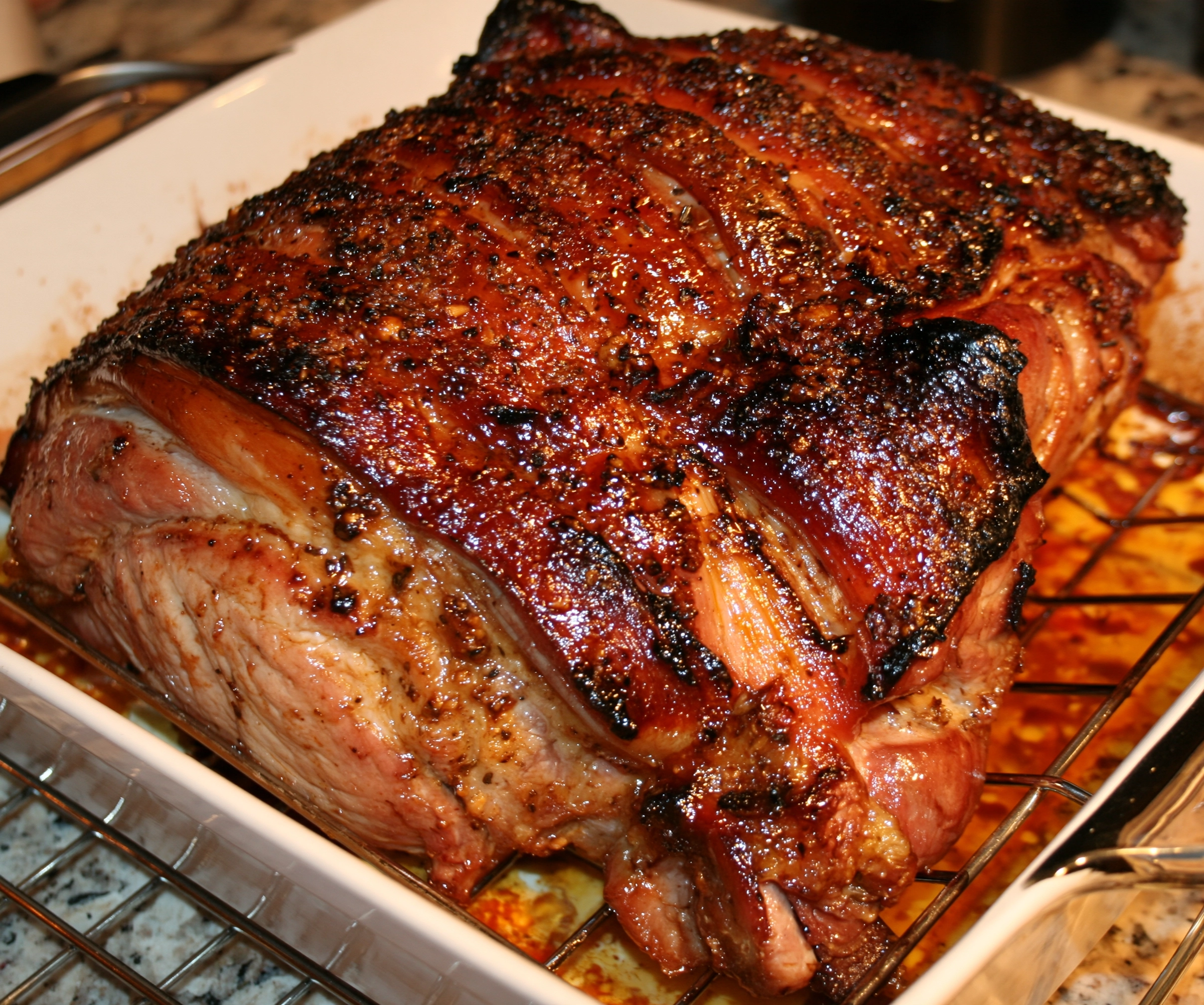
This slow roasted pork shoulder proves that patience rewards you more than complicated technique ever could. Low and slow gives you meltingly tender meat, and a dry skin plus a hot blast gives you crackling that shatters.
Browse our pork and sausage recipes for another dinner that works this hard for you, and try our tender low-and-slow crockpot brisket when you want the same low-and-slow magic on a different cut. Give this recipe a try this weekend, and save the drippings, because they are liquid gold. I would love to hear your variations, whether you change the seasoning, add a different gravy, or serve it a completely different way.
Frequently Asked Questions
How long per pound should I roast it?
A 4 to 5 pound shoulder needs about three hours at 320°F after the hot start, plus the 30-minute blast. The clock is a guide, not a rule, because every shoulder is a different shape. Trust the fork test: the meat should yield easily when you press it, and the skin should sound crisp when you tap it. Rest the roast for 20 minutes before carving, no matter how good it smells.
Can I use a boneless shoulder without skin?
Yes, and the meat will still turn meltingly tender with the same low-and-slow method. You will miss the crackling, since there is no skin to crisp, but the seasoning and the drippings gravy still carry the dish. Add a spoonful of the gravy over each serving to keep it moist.
Why is my crackling rubbery?
Rubbery crackling almost always means the skin was wet or the salt was uneven, or the final blast was skipped. Dry the skin thoroughly, salt every patch, and finish with 30 minutes at 485°F. If a patch stays soft, a few minutes under a hot broiler will usually save it.
Can I make it ahead of time?
Yes, and it holds up well for a crowd. Roast it a day ahead, let it cool, and refrigerate it whole, then reheat it covered at 325°F until warm and finish under the broiler to re-crisp the skin. The gravy reheats separately in a small pan.
How do I store leftovers?
Store leftover meat in an airtight container in the refrigerator for up to four days, with the crackling kept separate so it stays crisp. Reheat the meat gently in a covered pan with a splash of stock, and crisp the crackling under the broiler. Leftover slices make incredible sandwiches.
Meltingly Tender Slow Roasted Pork Shoulder
A slow roasted pork shoulder with meltingly tender meat and shattering crackling, plus a drippings gravy that is liquid gold.
10
servings20
minutes4
hours540
kcal4
hours20
minutesIngredients
- For the Pork Shoulder:
1 boneless skin-on pork shoulder, 4 to 5 lb
1 1/2 tsp kosher salt, for the flesh
1 tsp black pepper
2 tsp fennel seeds
1 tbsp olive oil
- For the Skin:
1 tsp olive oil
1 1/2 tsp kosher salt
- For the Roasting Pan:
1 head garlic, halved
2 onions, halved
- For the Drippings Gravy:
3 tbsp reserved pan fat
2 tbsp plain flour
2 cups chicken or beef stock
Directions
- Pat the skin thoroughly dry and rub the flesh with salt, pepper, fennel seeds, and olive oil. Rub the skin with oil and salt, evenly.
- Set the shoulder skin-side up on garlic and onions in a roasting pan. Roast at 430°F, then lower to 320°F and slow-roast uncovered about 3 hours.
- At 1 1/2 hours, level the skin with scrunched foil balls under the low spots.
- Blast at 485°F for 30 minutes until the skin is bubbly and crisp all over.
- Rest tented with foil 20 minutes, then carve with a serrated knife and serve with drippings gravy.
Notes
- Rest 20 minutes before carving. The salt must cover every patch of skin or it will not bubble into crackling. Calories are approximately 540 per serving, and values vary by brand cut. Fridge 4 days; keep the crackling separate so it stays crisp.