Juicy Perfect Pork Tenderloin
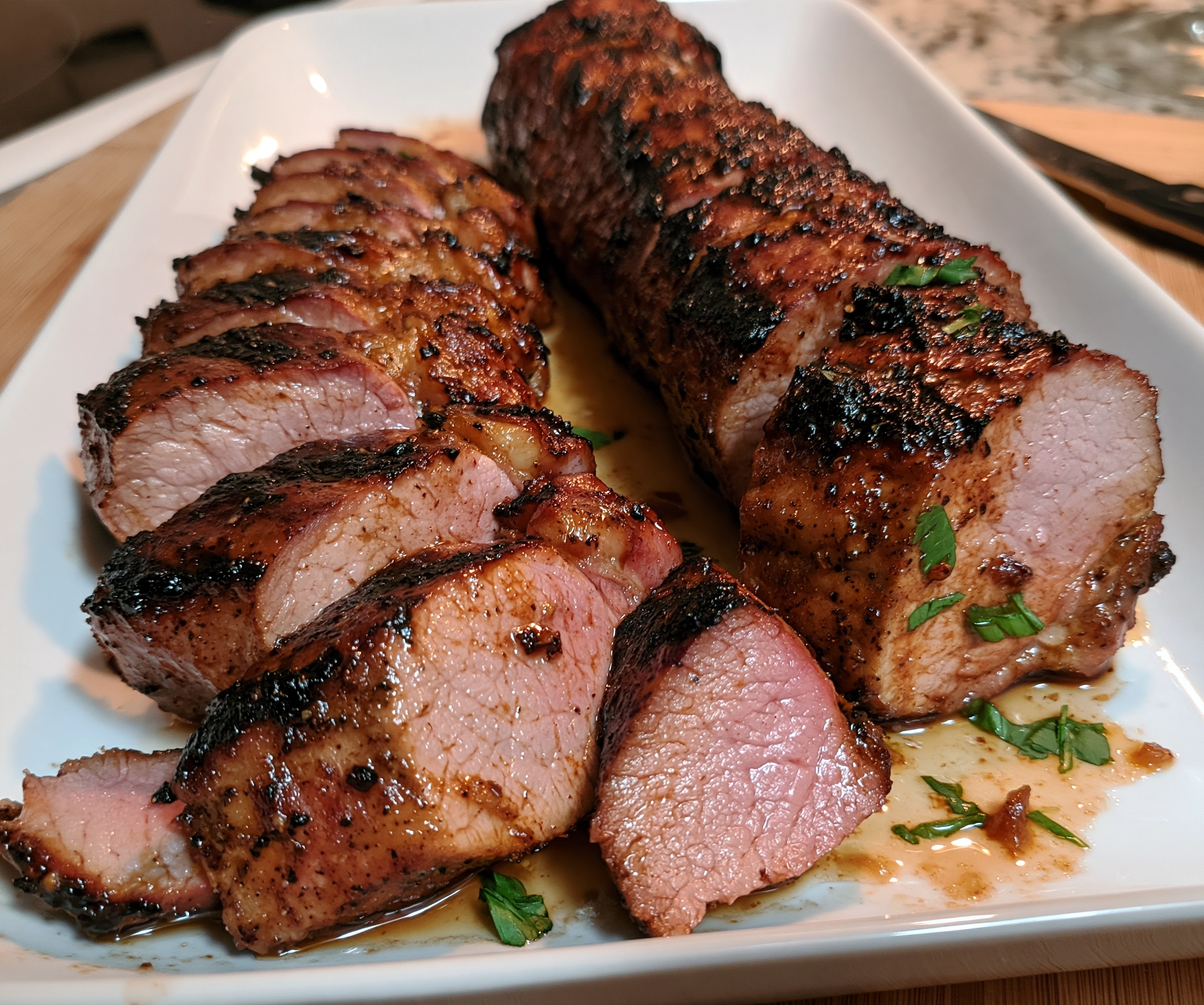
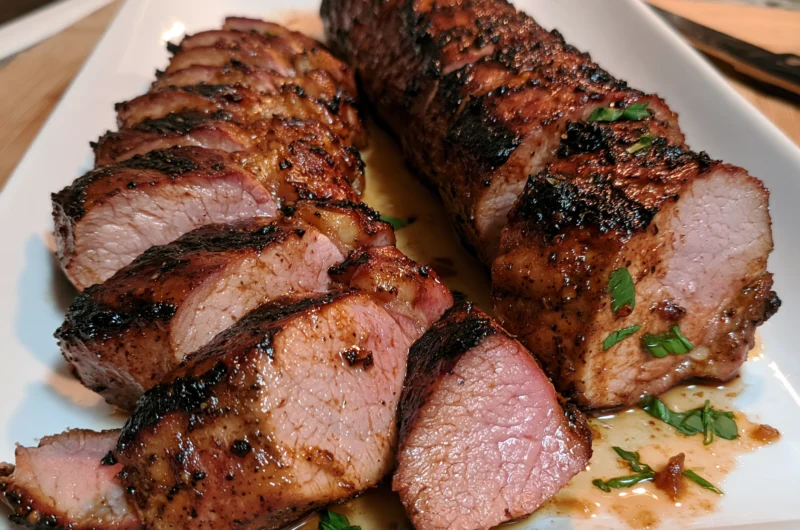
The leanest cut, kept juicy by three things — silverskin trimmed, a hard sear, and pulling at 140°F so the rest carries it to 145°F. This pork tenderloin stays blushing and tender inside, with a golden crust outside, and it is on the table in about 35 minutes. Slice it into medallions and spoon the pan juices over.
The cut that feels a little fancy on a Tuesday night, and the pink-center panic every home cook knows — this pork tenderloin is the answer to both. It is lean, tender, and quick-cooking, and it turns a plain weeknight into something that feels a little special. The thermometer, not the color, decides when it is done. It is the cut I reach for when dinner needs to feel special without a long evening in the kitchen.
The rest stays simple on purpose. One tenderloin, a short rub of pantry spices, and a hot skillet are all you need, and dinner is on the table in about 35 minutes. The secret is the order: trim the silverskin, sear hard, roast to 140°F, and rest for ten minutes. Slice it into medallions and spoon the pan juices over, and it tastes like a restaurant plate — serve it with roasted potatoes and green beans, or with applesauce for the classic touch.
Why 145°F Is the Whole Recipe
145°F is the whole recipe because it is the safe minimum for whole pork cuts, and past 150°F this lean meat turns chalky and dry. Pull the tenderloin at 140°F, rest it for ten minutes, and the carryover heat brings it to a blushing, juicy 145°F.
The USDA guidance is clear: whole cuts of pork are safe at 145°F followed by a three-minute rest, and a blush-pink center at that temperature is safe, not undercooked. Old habits said to cook pork until it was white all the way through, and that is exactly how generations of pork turned dry. A thermometer frees you from guessing, because color alone cannot tell you the temperature inside. It is the same reason a steak rests before slicing — the heat keeps working after the pan stops.
The rest matters as much as the number. Ten minutes tented in foil lets the juices settle back into the meat and lets the temperature climb those final five degrees. Slice too soon and the juices run out onto the board; wait, and every medallion stays moist.
The Silverskin You Must Remove
Silverskin is the thin, shiny membrane on the tenderloin, and it never breaks down in cooking. Leave it on and the meat curls and chews tough.
Removing it is simple once you know the trick. Slide a thin, sharp knife under one end of the membrane, angle the blade slightly upward, and cut along the meat in short strokes, keeping the knife close to the silverskin so you lose almost no meat. Work in sections, and do not worry about getting every last scrap — the main sheet is what matters.
A trimmed pork tenderloin lies flat, browns evenly on every side, and slices into neat medallions. It is the one prep step most quick recipes skip, and it is the difference between a tenderloin that looks restaurant-made and one that curls up in the pan. If you have never trimmed one before, take your time on the first pass, because the knife work gets easier with every stroke.
Ingredients
Everything fits in one small pile, and that is the point. Gather it all before the skillet heats, because the sear waits for no one.
For the Pork Tenderloin:
- 1 pork tenderloin, 1 to 1 1/2 lb
- 1 tbsp olive oil
For the Rub:
- 1 1/2 tsp kosher salt
- 1/2 tsp black pepper
- 1 tsp garlic powder
- 1 tsp smoked paprika
- 1 tsp dried thyme
- 1/2 tsp dried rosemary
If your tenderloin is very thin at one end, tuck the tail underneath and tie it with kitchen twine so the thickness stays even. Two small tenderloins work the same way — just sear them side by side. Prep takes 10 minutes, the cook runs 25 minutes, and the total is 35 minutes. Per serving, this pork tenderloin is approximately 290 calories, and values vary by brand and cut.
Step-by-Step: How to Make Juicy Pork Tenderloin
Trim the silverskin, rub the spices in, and sear every side in a hot skillet. Roast at 400°F until the thickest part reads 140°F, then rest for ten minutes and slice into medallions with the pan juices spooned over.
1. Trim and Season to Perfection
Trim the silverskin as described above, then pat the tenderloin dry and rub it all over with the olive oil and the spice rub. The oil helps the spices stick and the surface brown, and the salt starts working right away. Let it sit for five minutes while the oven preheats to 400°F, so the rub settles into the meat.
2. Sear Every Side
Heat an oven-safe skillet over medium-high heat until it is very hot, then lay the tenderloin in and sear for one to two minutes per side, turning until every surface is deeply golden. The whole sear takes five to six minutes, and the color you build now is the crust you will slice into later. Listen for a steady sizzle, because a quiet pan means the heat is too low to build a crust. Do not crowd the pan if you are cooking two small tenderloins — give each one room to brown.
3. Roast to 140°F
Move the skillet straight into the oven and roast at 400°F for 13 to 20 minutes, depending on thickness, until an instant-read thermometer in the thickest part reads 140°F. Start checking at 13 minutes, because a thin tenderloin cooks fast and the window between juicy and dry is narrow. A thin tenderloin may need only 13 minutes, while a thick one can take the full 20.
4. Rest and Slice
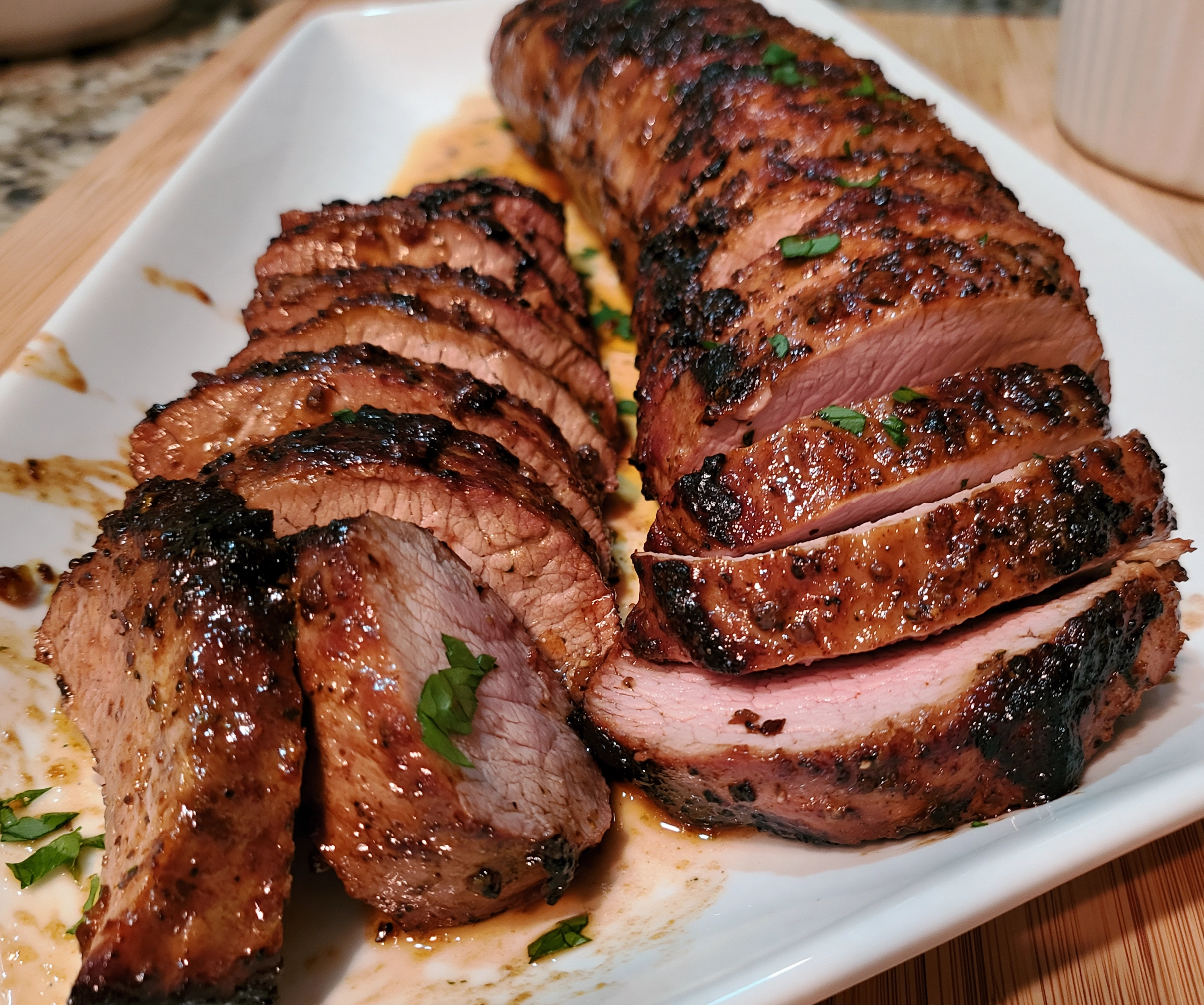
Tent the tenderloin loosely with foil and rest it for ten minutes, because the carryover heat brings the center to 145°F while the juices settle. Slice into 1/2-inch medallions on a slight diagonal, and spoon the pan juices over the top. The center should be blushing pink and glistening, and that is exactly right.
What to Serve with Pork Tenderloin
This tenderloin loves simple, classic sides that let it shine. Roasted potatoes are the first choice, and the pan juices belong spooned over everything.
Green beans or a crisp salad from our salads and sides keep the plate fresh, and applesauce is the classic pairing that still works beautifully. For a heartier table, add a simple rice pilaf from our pasta and rice recipes, or a mustard sauce for dipping. A mustard sauce is the simplest upgrade, and it takes two minutes to stir together.
Keep the sides simple, because the pork tenderloin carries the flavor here. A green vegetable, a starch, and the pan juices are all the plate needs.
Mistakes That Dry It Out
Most dry tenderloin comes from three mistakes: skipping the thermometer, slicing straight out of the oven, and cooking past 145°F. Each one is easy to prevent, and none of them needs a new ingredient.
Cooking without a thermometer is the biggest trap, because the difference between juicy and chalky is only a few degrees. Pull at 140°F and trust the rest, because the carryover heat finishes the job. Slicing too soon is the second trap, since hot slices lose their juices the moment the knife goes in — rest the full ten minutes.
Why This Dish Earns a Spot in Your Rotation
This pork tenderloin proves that a reliable staple does not require complicated technique or a long ingredient list. A trimmed silverskin, a hard sear, and a thermometer give you a blushing, juicy center and a golden crust in about 35 minutes.
Browse our pork and sausage recipes for another dinner that works this hard for you, and try our tender balsamic grilled flank steak when you want the same sear-and-rest method on a different cut. Give this recipe a try this week, and pull it at 140°F so the rest carries it to a juicy 145°F. I would love to hear your variations, whether you change the rub, add a mustard sauce, or serve it a completely different way.
Frequently Asked Questions
Is pink pork safe to eat?
Yes, and a blush-pink center at 145°F is safe for whole cuts of pork, followed by a three-minute rest. The USDA guidance sets 145°F as the safe minimum, and the pink color comes from myoglobin, not from undercooking. Trust the thermometer, not the color alone.
Pork tenderloin vs pork loin — are they the same thing?
No, and mixing them up is the most common shopping mistake. Tenderloin is the long, thin, very tender muscle, while pork loin is the wider, leaner roast that cooks differently. This recipe is written for tenderloin, so do not swap in a loin roast without adjusting the time.
Can I cook it without searing first?
Yes, but you will miss the golden crust that makes the slices look restaurant-made. Roasting alone still gives you juicy meat if you pull at 140°F and rest it well. If you skip the sear, add a minute or two to the roast and spoon the pan juices over generously.
How long do leftovers keep?
Leftover slices keep for three to four days in the refrigerator in an airtight container, with the pan juices spooned over them. Reheat gently in a covered skillet over low heat with a splash of broth, because the microwave can dry the lean meat out. Cold slices are wonderful in sandwiches the next day.
Can I use a marinade instead of a dry rub?
Yes, and a simple marinade works well if you keep it short. Marinate for 30 minutes to two hours, then pat the surface dry before searing, because a wet surface will not brown. Avoid overnight marinades with a lot of acid, since they can make the edges mushy.
Juicy Perfect Pork Tenderloin
A lean pork tenderloin with a flavorful spice rub, seared hard and roasted to 140°F, then rested to a blushing, juicy 145°F.
4
servings10
minutes25
minutes290
kcal35
minutesIngredients
- For the Pork Tenderloin:
1 pork tenderloin, 1 to 1 1/2 lb
1 tbsp olive oil
- For the Rub:
1 1/2 tsp kosher salt
1/2 tsp black pepper
1 tsp garlic powder
1 tsp smoked paprika
1 tsp dried thyme
1/2 tsp dried rosemary
Directions
- Trim the silverskin, pat the tenderloin dry, and rub it all over with olive oil and the spice rub.
- Sear in a very hot oven-safe skillet 1 to 2 minutes per side, until every surface is deeply golden.
- Roast at 400°F for 13 to 20 minutes, until an instant-read thermometer in the thickest part reads 140°F.
- Tent loosely with foil and rest 10 minutes, then slice into 1/2-inch medallions and spoon the pan juices over.
Notes
- Pull at 140°F — carryover brings the center to 145°F. A blush-pink center at 145°F is safe. Calories are approximately 290 per serving, and values vary by brand and cut. Fridge 3 to 4 days; reheat gently in a covered skillet with a splash of broth.