The Formula for Juicy Baked Chicken Breast
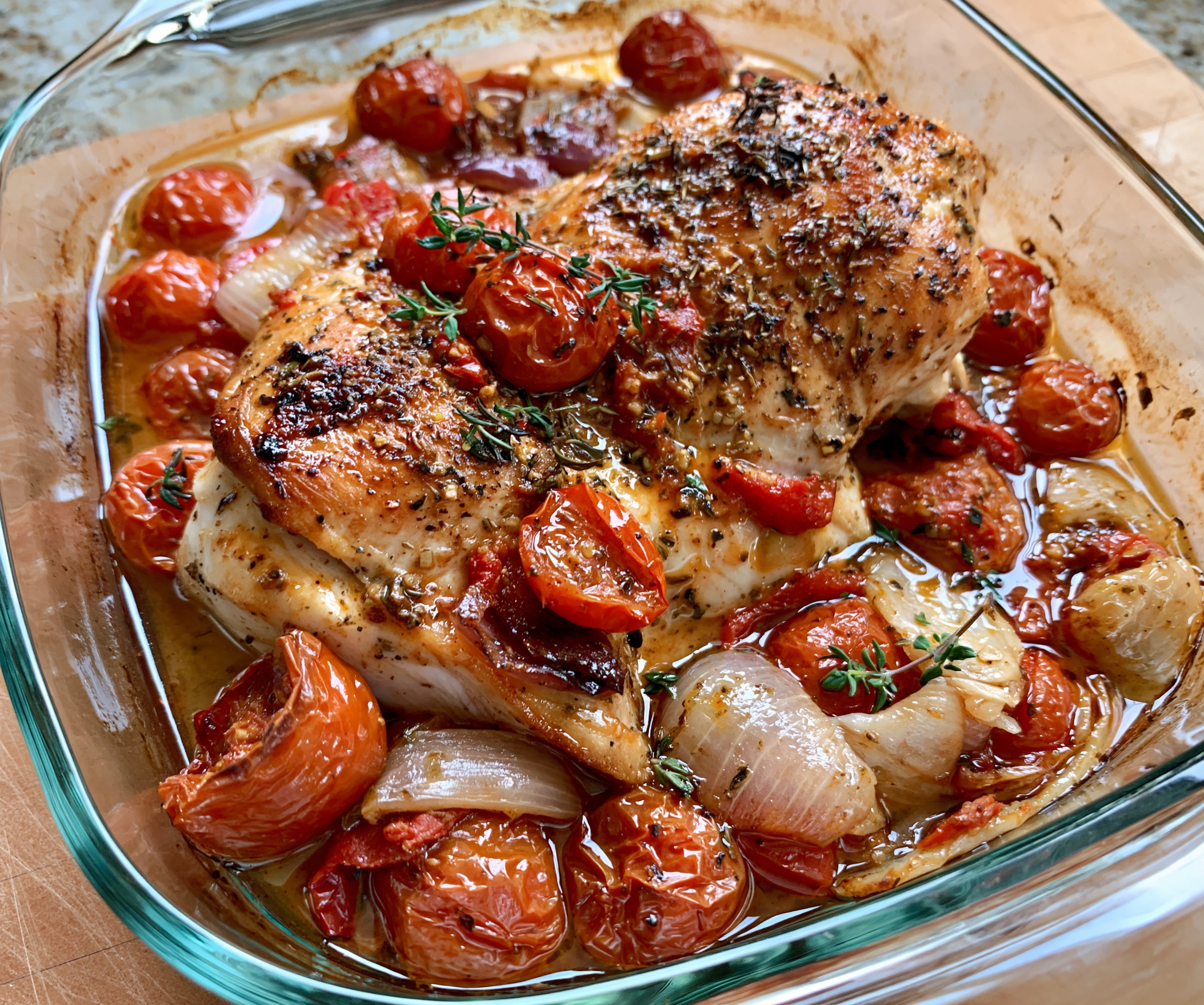
Baked chicken breast stays juicy with three moves: pound the breasts to an even thickness, roast at 425°F until a thermometer reads 165°F in the thickest part (about 20 minutes), and rest 5 to 10 minutes before slicing. Seasoned with olive oil, paprika, garlic, onion, and oregano, it serves 4 and works sliced over salads, in wraps and pastas, or as a simple dinner.
Dry, stringy chicken breast is a weekly frustration in many kitchens, and it usually comes from the same three mistakes: uneven breasts, an oven set too low, and slicing too soon so the juices end up on the board. The good news is that all three have simple fixes, and together they form a formula you can repeat every week without thinking.
This is not a recipe that asks for special equipment or a long marinade—just a thermometer, a hot oven, and a little patience at the end. Learn the formula once, and plain chicken stops being the dry default and starts being the reliable base for salads, pastas, tacos, and wraps.
Why Baked Chicken Breast Dries Out (and the Formula That Fixes It)
The trouble with baked chicken breast starts with its shape: every breast is thick at one end and thin at the other, so the thin end finishes cooking long before the thick end does. Set the oven too low and the problem gets worse, because gentle heat steams the outside instead of roasting it, stretching the cook time while the thin end dries out.
Then comes the final mistake, and it happens after the oven: slicing straight out of the pan spills the juices onto the board instead of letting them settle back into the meat. The formula fixes all three in order—pound even, roast hot, rest before slicing. An optional quick brine (salted water, 10 minutes at room temperature or up to 24 hours refrigerated, then drained and patted very dry) can add insurance, but it never replaces the three moves.
Ingredients for Juicy Baked Chicken Breast
For the Chicken:
- 4 boneless, skinless chicken breasts (about 1 1/2 to 2 lb)
- 1 tablespoon olive oil
For the Seasoning:
- 1 teaspoon paprika (or smoked paprika)
- 1 teaspoon garlic powder
- 1 teaspoon onion powder
- 1 teaspoon dried oregano or Italian seasoning
- 1 teaspoon kosher salt
- 1/2 teaspoon black pepper
For Serving (As Pictured):
- Lemon wedges and fresh rosemary sprigs
Everything here is a pantry staple, and the oil is what makes the rub stick instead of sliding off as the chicken releases moisture. Plan on 10 minutes of prep, 20 minutes of cooking, and 35 minutes total including rest.
How to Make Baked Chicken Breast Step by Step
Pound the breasts even, season both sides, roast at 425°F to 165°F, rest 5 to 10 minutes under loose foil, then slice against the grain and finish with lemon and rosemary as pictured.
1. Pound to an Even Thickness
Cover the breasts with parchment or plastic wrap and pound the thick end down to about 3/4 inch, so every piece finishes at the same time. This is the step that matters most: without it, the thin end dries out. Work from the center outward with even pressure.
2. Oil and Season Both Sides
Pat the breasts very dry first—a wet surface browns poorly, and browning is half the flavor here. Brush with olive oil, then rub the seasoning over both sides and the edges, pressing it in lightly so it stays put. The herb-forward blend is what the photos show; lemon and rosemary are for serving.
3. Roast at 425°F
Arrange the breasts in a single layer on a lined rimmed sheet pan or baking dish, with space between pieces, and slide them into a preheated 425°F oven. High heat is the point: it browns the outside quickly while the inside stays juicy. Do not cover the pan, or steam defeats the roast.
4. Check at 165°F
Start checking at 15 to 18 minutes with an instant-read thermometer in the thickest part. The breast is done at 165°F, with meat fully opaque and juices clear—never judge by color alone. For extra golden color, broil 2 minutes at the end, watching closely so the seasoning does not scorch.
5. Rest, Then Slice
Tent the breasts loosely with foil and rest 5 to 10 minutes, during which the temperature rises a few degrees and the juices redistribute. Then slice against the grain, drizzle with pan juices, and garnish with lemon and rosemary as pictured. Slicing before the rest spills everything you worked to keep.
The Three Rules, Explained: Thickness, Temperature, Resting
Even thickness, high heat, and a real rest are the three rules, and each one solves a specific failure: pounding fixes uneven cooking, 425°F fixes pale steaming, and resting fixes juices lost to the board.
Pounding beats guessing because it removes the shape problem entirely—an even 3/4 inch cooks evenly from edge to edge, so the thermometer reading means the same thing everywhere. High heat browns without overcooking the interior, because the outside finishes fast while the center climbs to 165°F in about 20 minutes. Resting works because juices, driven to the center by heat, need time to redistribute; cut too soon and they run out, cut after the rest and they stay. Doneness cues alongside the thermometer: opaque throughout, clear juices, and a firm but springy feel.
How to Use It All Week: Salads, Pastas, Tacos, and Wraps
Slice this breast over salads for the lightest use, and our salads and sides collection has the salads the pin names. Fold it into pastas, where the plain seasoning picks up whatever sauce you choose, and our pasta and rice dishes give it company. Tuck it into tacos and wraps for fast lunches, or serve it as the main event with roasted vegetables.
For meal prep, keep the breasts whole until serving, since whole breasts lose less moisture. The richer cousin of this method is my million dollar baked chicken breast, the variation for readers who want the next step after mastering the plain formula.
Nutrition values are always approximate and vary by breast size and oil. Treat these numbers as a guide, not an exact count.
- Calories: approximately 280 per breast
- Protein: approximately 40 g
- Carbohydrates: approximately 1 g
- Fat: approximately 9 g
How Do You Store and Reheat Leftovers?
Store leftover breasts whole in an airtight container in the refrigerator for 3 to 4 days, and freeze them for up to 3 months, thawing overnight in the refrigerator before use.
Reheat gently so the moisture survives: a covered skillet with a splash of broth or water, or a short microwave burst at half power, both work. Slice after reheating, not before, since pre-sliced pieces dry out fastest. The second serving stays nearly as juicy as the first when the breast goes into storage whole.
Why This Formula Earns a Weekly Spot
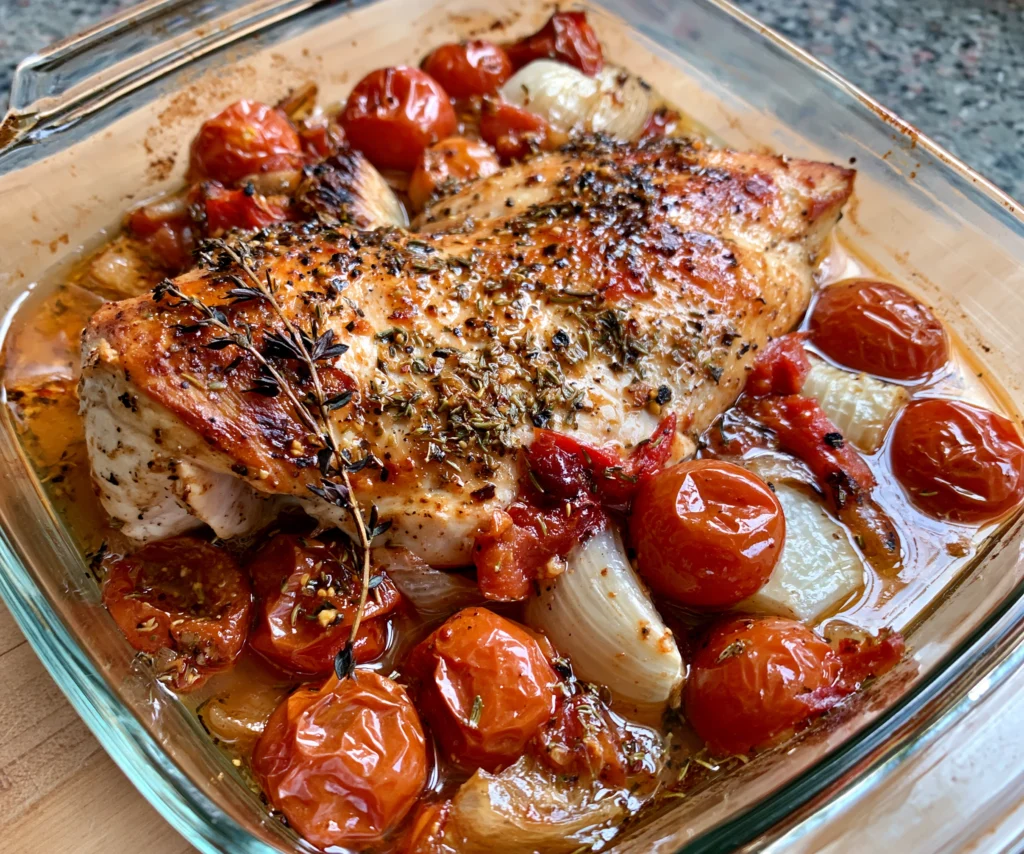
This baked chicken breast proves that juicy chicken does not require a marinade, a gadget, or worry. Three moves—pound even, roast hot, rest before slicing—and one batch covers four kinds of meals, with no special equipment beyond a thermometer. That is the whole promise, and it holds every single week.
Browse our chicken recipes when you need another dinner worth repeating. Give this recipe a try this week, and make it the base for your salads, pastas, tacos, and wraps. I’d love to hear your variations—tell me how you seasoned it.
Frequently Asked Questions
What temperature should I bake chicken breast at so it stays juicy?
425°F, because high heat browns the outside quickly while the inside stays juicy, where a lower oven steams the chicken pale and stretches the cook time. Roast in a preheated oven, in a single layer, and check the thickest part with a thermometer. Temperature matters as much as time—never guess by color alone.
How long do I bake chicken breast, and how do I know it is done?
About 20 minutes for pounded breasts at 425°F, but thickness rules, so start checking at 15 to 18 minutes. The only reliable test is a thermometer reading 165°F in the thickest part, with meat fully opaque and juices clear. Pulling at 160 to 165°F and resting 5 to 10 minutes also works.
Should I pound chicken breasts before baking?
Yes, to an even 3/4 inch, so the thin end does not dry out while the thick end finishes. Cover with parchment or plastic wrap and pound the thick end down with even pressure. For very thick breasts, butterflying achieves the same result.
Why is my chicken breast always dry?
Usually it cooked past 165°F, the thickness was uneven, or it was sliced before resting—and often all three at once. Fix all three: pound even, roast at 425°F, check early with a thermometer, and rest 5 to 10 minutes under loose foil before slicing. An optional quick brine adds insurance, but it never replaces the formula.
How do I store and reheat chicken breast without drying it out?
Refrigerate whole breasts in an airtight container for 3 to 4 days, and freeze for up to 3 months, thawing overnight in the refrigerator. Reheat gently—a covered skillet with a splash of broth or water, or a short microwave burst at half power—and slice after reheating, not before. Whole breasts kept whole lose the least moisture.
The Formula for Juicy Baked Chicken Breast
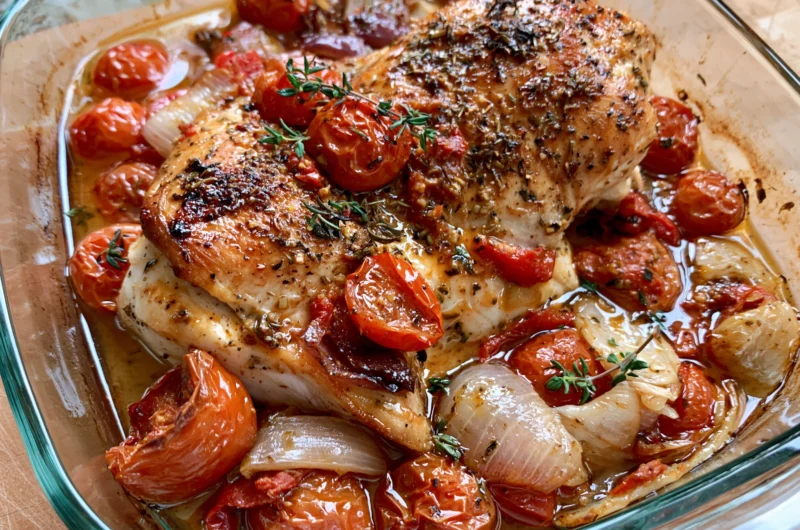
Plain boneless, skinless baked chicken breasts with herb-and-pepper seasoning, lemon and rosemary garnish: pound even, roast at 425°F to 165°F, rest before slicing.
4
servings10
minutes20
minutes280
kcal35
minutesIngredients
- For the Chicken
4 boneless, skinless chicken breasts (about 1 1/2 to 2 lb)
1 tablespoon olive oil
- For the Seasoning
1 teaspoon paprika (or smoked paprika)
1 teaspoon garlic powder
1 teaspoon onion powder
1 teaspoon dried oregano or Italian seasoning
1 teaspoon kosher salt
1/2 teaspoon black pepper
- For Serving (As Pictured)
Lemon wedges and fresh rosemary sprigs
Directions
- Pound to an Even Thickness — Cover with parchment or plastic wrap; pound the thick end to about 3/4 inch.
- Oil and Season Both Sides — Pat very dry; brush with olive oil; rub seasoning over both sides and edges.
- Roast at 425°F — Single layer on a lined rimmed sheet pan or baking dish, pieces not touching; fully preheated oven; do not cover.
- Check at 165°F — Start checking at 15 to 18 minutes; thermometer in the thickest part; optional 2-minute broil for extra color.
- Rest, Then Slice — Tent loosely with foil; rest 5 to 10 minutes; slice against the grain; drizzle with pan juices; garnish with lemon and rosemary as pictured.
Notes
- Plain seasoned bake ONLY — no coating, no sauce, no glaze, no stuffing, no sides plated, matching the photos. Lemon and rosemary are garnish/finish only. Optional quick brine (salted water, 10 minutes at room temperature or up to 24 hours refrigerated, then drained and patted very dry) is an option, not the base method.