20-Minute Homemade Teriyaki Chicken
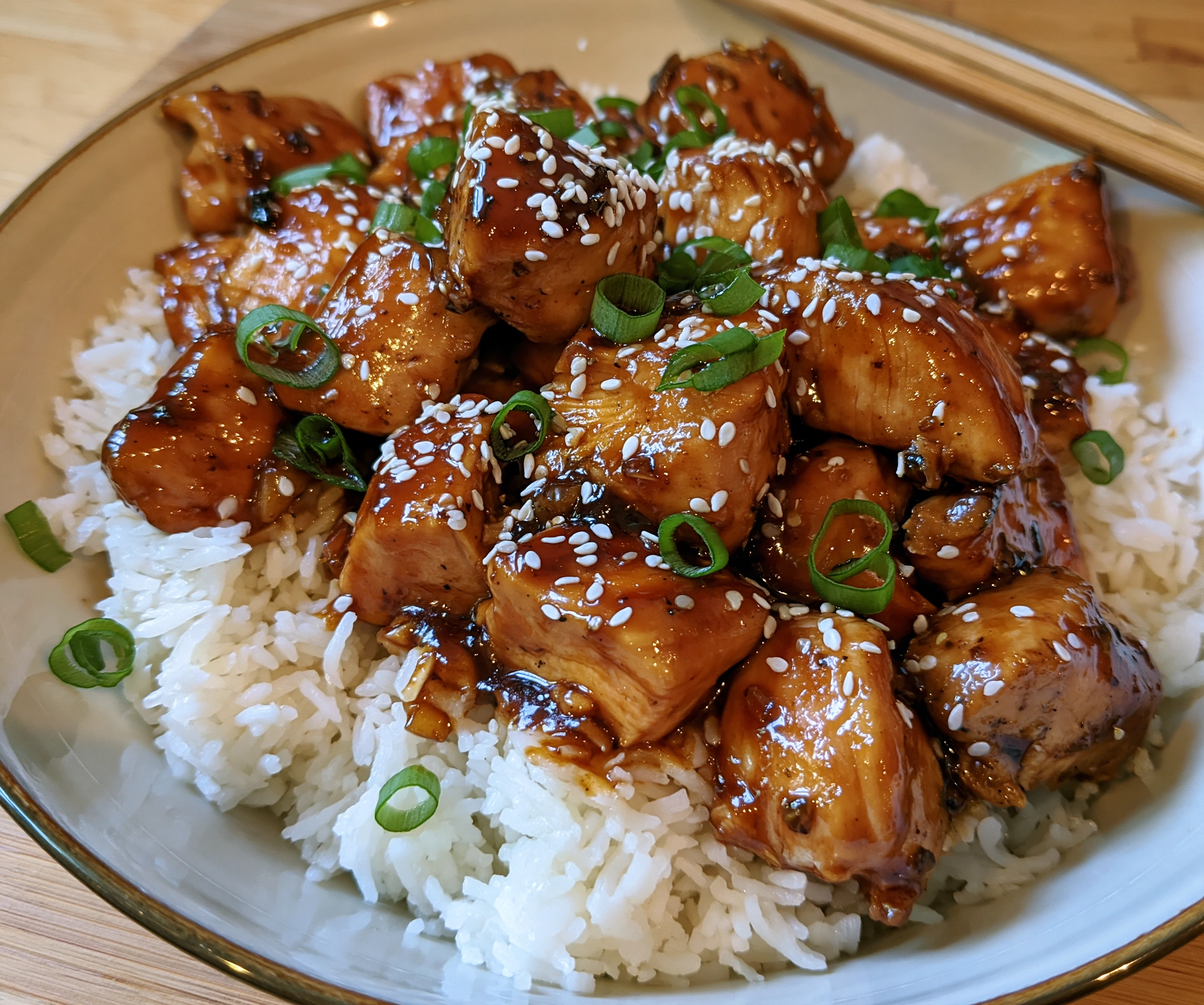
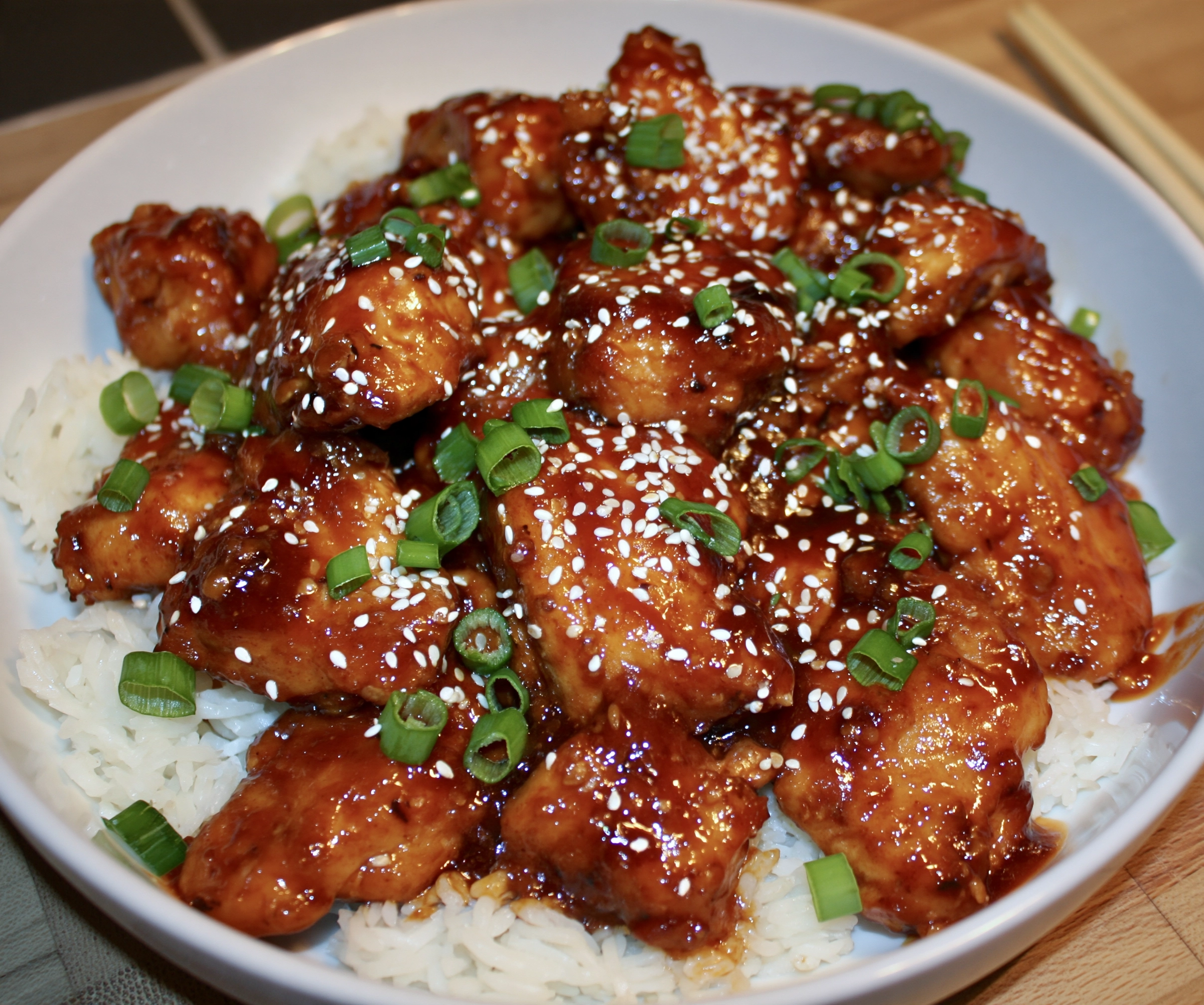
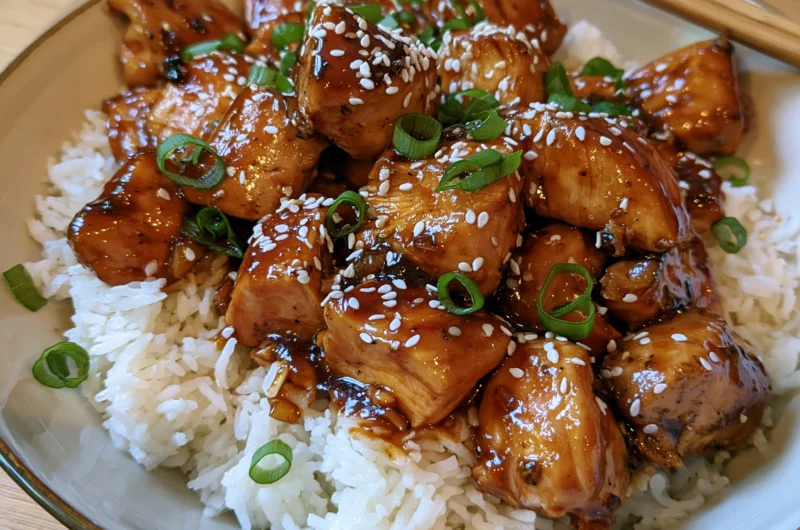
This teriyaki chicken starts with whole boneless thighs seared until golden with charred edges, then lacquered in a homemade soy and mirin glaze that thickens right in the pan. After resting, it is sliced across the grain and served over rice with broccoli and carrots, sesame seeds, and green onions. There is no long marinade and no bottled sauce, so dinner lands on the table in 20 minutes.
There’s something magical about the moment a homemade glaze turns glossy in the pan, and this teriyaki chicken delivers it on an ordinary weeknight. The chicken sizzles as it hits the skillet, the sweet-savory aroma of soy, garlic, and ginger fills the kitchen, and within minutes the sauce clings to every slice like lacquer. It looks like a restaurant bowl, yet it needs only pantry staples and one skillet.
The secret is the order of operations. Searing whole pieces first keeps the juices inside, so the chicken stays tender. Slicing after glazing means every cut edge catches extra sauce. This also sets it apart from the batch’s slow-cooker shredded teriyaki, a different dish built for long, gentle cooking.
Why Does Homemade Teriyaki Taste Better Than the Bottle?
Bottled sauce is convenient, but it can taste flat because it was made to sit on a shelf, not to caramelize in your pan.
A homemade glaze gives you control over the balance that defines teriyaki, a Japanese method where food is pan-fried or grilled with a sweet soy glaze. Soy sauce brings salt and savory depth, brown sugar brings caramelizing sweetness, and mirin, a Japanese sweet rice wine, rounds the edges, while fresh garlic and ginger stay bright. If you love a saucy chicken bowl, a Bang Bang Chicken Bowl makes a wonderful next bowl night, with its own signature sauce.
Ingredients for This Teriyaki Chicken
Everything here is a pantry staple, and the glaze comes together while the chicken sears.
Chicken:
- 1-1/2 pounds boneless, skinless chicken thighs
- 1 tablespoon neutral oil
- 1/2 teaspoon salt
- 1/4 teaspoon black pepper
Homemade teriyaki glaze:
- 1/2 cup soy sauce
- 1/4 cup brown sugar
- 2 tablespoons mirin
- 2 cloves garlic, minced
- 1 teaspoon fresh ginger, grated
- 1 teaspoon cornstarch mixed with 1 tablespoon cold water
- 1 teaspoon toasted sesame oil
Serving:
- 4 cups cooked white or jasmine rice
- 2 cups broccoli florets, steamed
- 1 cup carrots, sliced and steamed
- 1 tablespoon sesame seeds
- 3 green onions, thinly sliced
How to Make Teriyaki Chicken Step by Step
Sear whole thighs until golden with charred edges, glaze them over lower heat, rest briefly, then slice and build the bowls. The whole process takes 20 minutes, with no marinating time and only one skillet to wash.
1. Whisk the Glaze to Silky Readiness
Whisk the soy sauce, brown sugar, mirin, garlic, and grated ginger in a small bowl until the sugar dissolves, and set the cornstarch slurry beside the stove. Mixing the glaze first matters, because the searing moves fast and you will not want to measure anything while the pan is screaming hot.
2. Sear the Chicken to Golden Perfection
Pat the thighs dry, season them, and heat the oil over medium-high heat until it shimmers. Lay the thighs in without crowding them, and sear undisturbed 4 to 7 minutes per side, listening for the sizzle, until deeply golden with charred edges. Check the thickest part with a thermometer, and pull this teriyaki chicken at 165°F, the safe internal temperature for chicken.
3. Glaze in the Pan Until It Lacquers
Lower the heat, pour in the glaze, and scrape up the browned bits from the pan. Spoon the glaze over the chicken for 1 to 2 minutes, until it thickens, turns glossy, and coats a spoon. If the glaze looks thin, stir in the slurry a little at a time, simmer 30 seconds more, then add the sesame oil off the heat.
4. Rest and Slice Across the Grain
Rest the glazed chicken on a board for 3 to 5 minutes before slicing. This rest lets the juices settle back into the meat instead of running onto the board. Slice across the grain into 1/2-inch strips: each shows a juicy interior, a caramelized edge, and a glossy coat of glaze.
5. Build the Bowl with Rice and Vegetables
Spoon warm rice into four bowls, fan the chicken over the top, and tuck the broccoli and carrots alongside. Drizzle extra pan glaze over the chicken, then scatter sesame seeds and green onions on top. Serve right away, while the rice is steaming and the glaze still shines.
How Do You Get the Glaze to Caramelize Without Burning?
Lower the heat the moment the glaze starts to thicken, and spoon it over the chicken instead of leaving the pan on high. Sugar caramelizes quickly and burns even faster, so glossy can turn scorched in under a minute if the burner stays too hot.
Use high heat for searing, then medium-low heat for glazing, and let your eyes and nose guide you. Watch for the sauce to turn dark and shiny and coat a spoon, and listen for a gentle bubble, not a furious boil. A thin glaze is an easy fix: a splash of slurry thickens it in about 30 seconds, while a burned glaze cannot be rescued.
Serving Ideas, Nutrition, and Easy Swaps
Serve this teriyaki chicken over rice with the broccoli and carrots, and dinner is complete.
Rice is the natural partner, because it soaks up the extra glaze. For more rice-bowl ideas, browse our pasta and rice recipes, and for a second vegetable, try our salads and sides. A cucumber salad adds cool crunch, and a soft fried egg turns the bowl into a heartier lunch.
Nutrition (approximately, per serving, including rice):
- Calories: ~340 kcal
- Protein: ~32 g
- Carbohydrates: ~38 g
- Fat: ~7 g
- Sodium: ~980 mg
- Sugar: ~14 g
These values are approximately, and they vary by soy sauce brand, thigh size, and rice choice. The chicken alone is lighter.
- Chicken breast instead of thighs: sear whole breasts the same way, slice after glazing, and watch the time, since breast dries out faster.
- No mirin: swap in 1 tablespoon rice vinegar plus 1 extra teaspoon of brown sugar, or water with that sugar.
- Gluten-free: use tamari or certified gluten-free soy sauce, and check that your mirin is gluten-free too.
How Do You Store, Make Ahead, and Reheat It?
Store leftovers in an airtight container in the refrigerator for 3 to 4 days, and reheat gently in a skillet over low heat with a splash of water or extra glaze. Gentle heat matters, because the sugary glaze can seize in a hot pan or microwave at full power.
For make-ahead cooking, the glaze is the easiest head start: it keeps sealed in the refrigerator for up to a week. When reheating, add sauce a spoonful at a time and stir until the chicken is warmed through and glossy again.
Why This Teriyaki Chicken Earns a Spot in Your Rotation
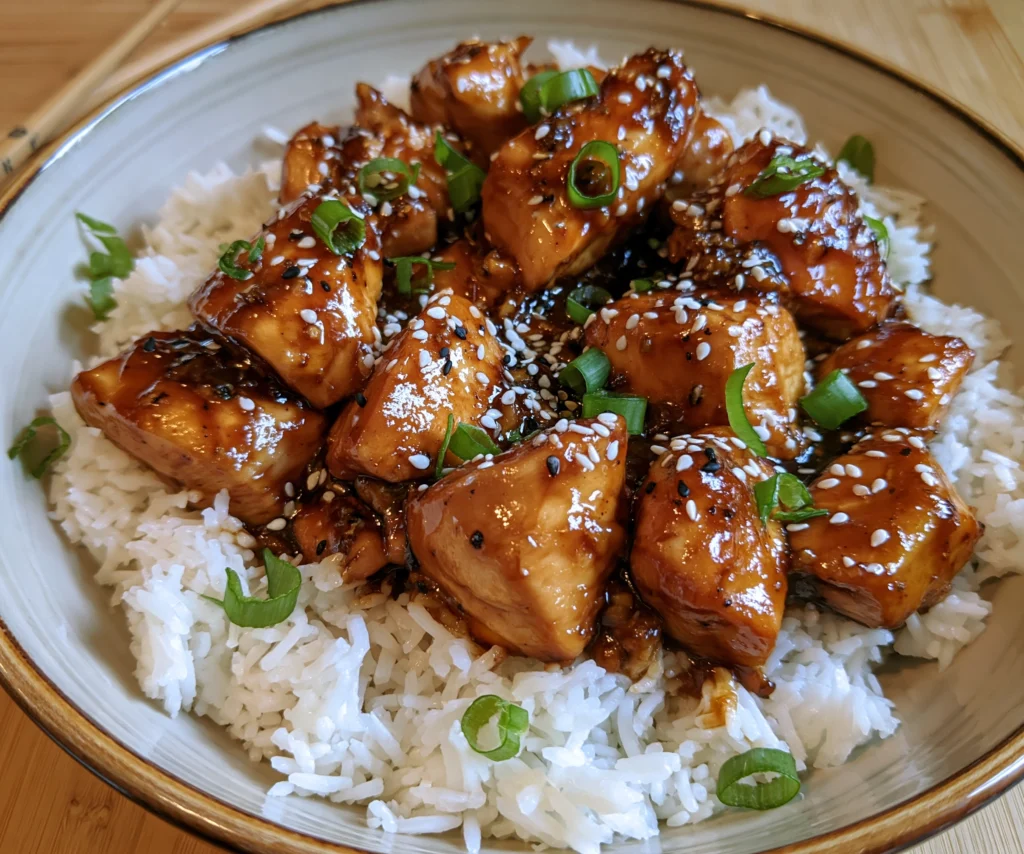
This teriyaki chicken proves that a restaurant-quality weeknight dinner needs no long ingredient list, marinade, or second pan. The glaze takes two minutes to whisk, the chicken sears in one skillet, and the bowl looks beautiful with rice, broccoli, and carrots. It is fast enough for Tuesday and good enough that you will want it again on Friday.
If you are hungry for more chicken dinners, browse our chicken recipes for the next bowl or skillet idea. Keep the glaze formula in your back pocket for rushed evenings.
Give this recipe a try tonight, and let me know how it turns out. I’d love to hear your variations, whether you swapped in breast, added an extra vegetable, or found a new favorite way to serve it.
Frequently Asked Questions
Can I use chicken breast instead of thighs for teriyaki chicken?
Yes, and the method stays the same. Sear whole breasts over medium-high heat, lower the heat for the glaze, and slice after resting. Because breast dries out faster, check the temperature early and pull at 165°F, then rest 3 to 5 minutes before slicing. The result is slightly leaner than thigh meat, but still glossy and juicy when you do not overcook it.
What is teriyaki sauce made of — and can I skip the mirin?
Classic teriyaki sauce is soy sauce, mirin, and sugar, sometimes with garlic, ginger, and sesame. Mirin, a Japanese sweet rice wine, adds sweetness and depth. If you do not have it, use 1 tablespoon rice vinegar plus 1 extra teaspoon of brown sugar for this recipe, or water with the extra sugar. The glaze will be a little less rounded, but still sweet-savory and glossy.
How do I stop the teriyaki glaze from burning?
Lower the heat before the sugar caramelizes too far. Sear on medium-high heat, then switch to medium-low for the glaze, spoon it over the chicken, and watch for a dark, shiny coating on a spoon. If the pan starts to smoke or the glaze smells bitter, it has gone too far, so remove the pan from the heat and start a fresh small batch of glaze. Keep a splash of water nearby to loosen a glaze that thickens too fast.
Can I marinate the chicken ahead for more flavor?
You can, but this recipe does not need it. The sear and the pan glaze carry the flavor. If you do marinate, use half of the soy-mirin mixture without the cornstarch for 30 minutes to 2 hours, pat the chicken dry before searing, and make the full glaze fresh for the pan. Marinating longer than 2 hours can make the surface too salty.
Is teriyaki chicken gluten-free?
It can be, with one swap. Use tamari or certified gluten-free soy sauce in place of regular soy sauce, and check that your mirin is gluten-free. Serve it over rice, which is naturally gluten-free, and skip any soy-based garnish that is not certified. The rest of the recipe is already gluten-free.
20-Minute Homemade Teriyaki Chicken
This teriyaki chicken starts with whole boneless thighs seared until golden with charred edges, then lacquered in a homemade soy and mirin glaze that thickens right in the pan. After resting, it is sliced across the grain and served over rice with broccoli and carrots, sesame seeds, and green onions. There is no long marinade and no bottled sauce, so dinner lands on the table in 20 minutes.
4
servings5
minutes15
minutes340
kcal20
minutesIngredients
1-1/2 pounds boneless, skinless chicken thighs
1 tablespoon neutral oil
1/2 teaspoon salt
1/4 teaspoon black pepper
- Homemade teriyaki glaze
1/2 cup soy sauce
1/4 cup brown sugar
2 tablespoons mirin
2 cloves garlic, minced
1 teaspoon fresh ginger, grated
1 teaspoon cornstarch mixed with 1 tablespoon cold water
1 teaspoon toasted sesame oil
- Serving
4 cups cooked white or jasmine rice
2 cups broccoli florets, steamed
1 cup carrots, sliced and steamed
1 tablespoon sesame seeds
3 green onions, thinly sliced
Directions
- Whisk the Glaze to Silky Readiness: Whisk the soy sauce, brown sugar, mirin, garlic, and grated ginger in a small bowl until the sugar dissolves, and set the cornstarch slurry beside the stove.
- Sear the Chicken to Golden Perfection: Pat the thighs dry, season them, and heat the oil over medium-high heat until it shimmers. Sear undisturbed 4 to 7 minutes per side until deeply golden with charred edges, then check the thickest part with a thermometer and pull at 165°F.
- Glaze in the Pan Until It Lacquers: Lower the heat, pour in the glaze, and scrape up the browned bits from the pan. Spoon the glaze over the chicken for 1 to 2 minutes, until it thickens, turns glossy, and coats a spoon. If the glaze looks thin, stir in the slurry a little at a time, simmer 30 seconds more, then add the sesame oil off the heat.
- Rest and Slice Across the Grain: Rest the glazed chicken on a board for 3 to 5 minutes before slicing. Slice across the grain into 1/2-inch strips.
- Build the Bowl with Rice and Vegetables: Spoon warm rice into four bowls, fan the chicken over the top, and tuck the broccoli and carrots alongside. Drizzle extra pan glaze over the chicken, then scatter sesame seeds and green onions on top.
Notes
- Store leftovers in an airtight container in the refrigerator for 3 to 4 days, and reheat gently in a skillet over low heat with a splash of water or extra glaze. The glaze keeps sealed in the refrigerator for up to a week. For a gluten-free version, use tamari or certified gluten-free soy sauce. If you have no mirin, use 1 tablespoon rice vinegar plus 1 extra teaspoon of brown sugar. Nutrition is approximately 340 kcal per serving, including rice, and values vary by brand and substitutions.