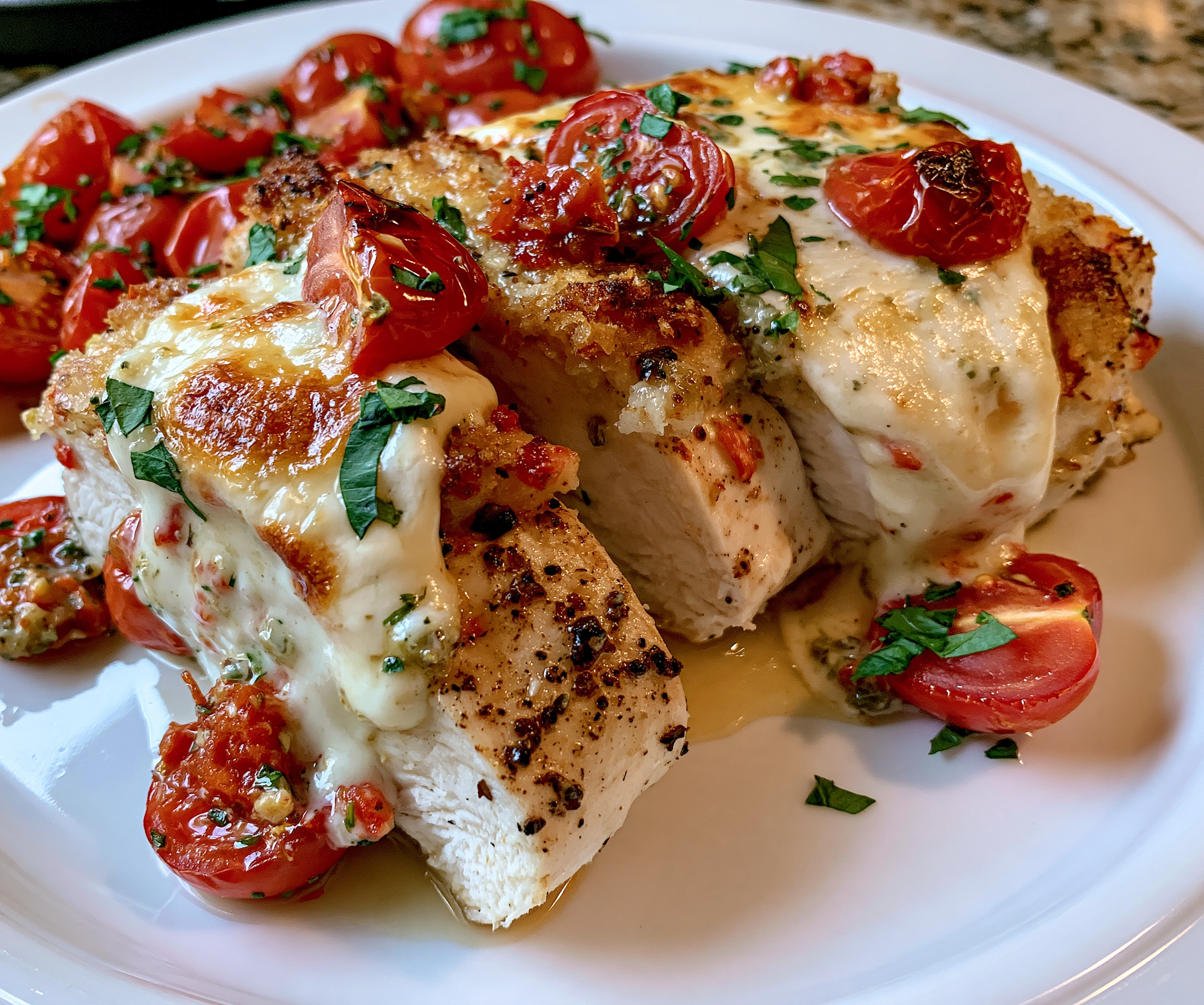
One Chicken, Endless Dinners: Rotisserie Chicken Recipes
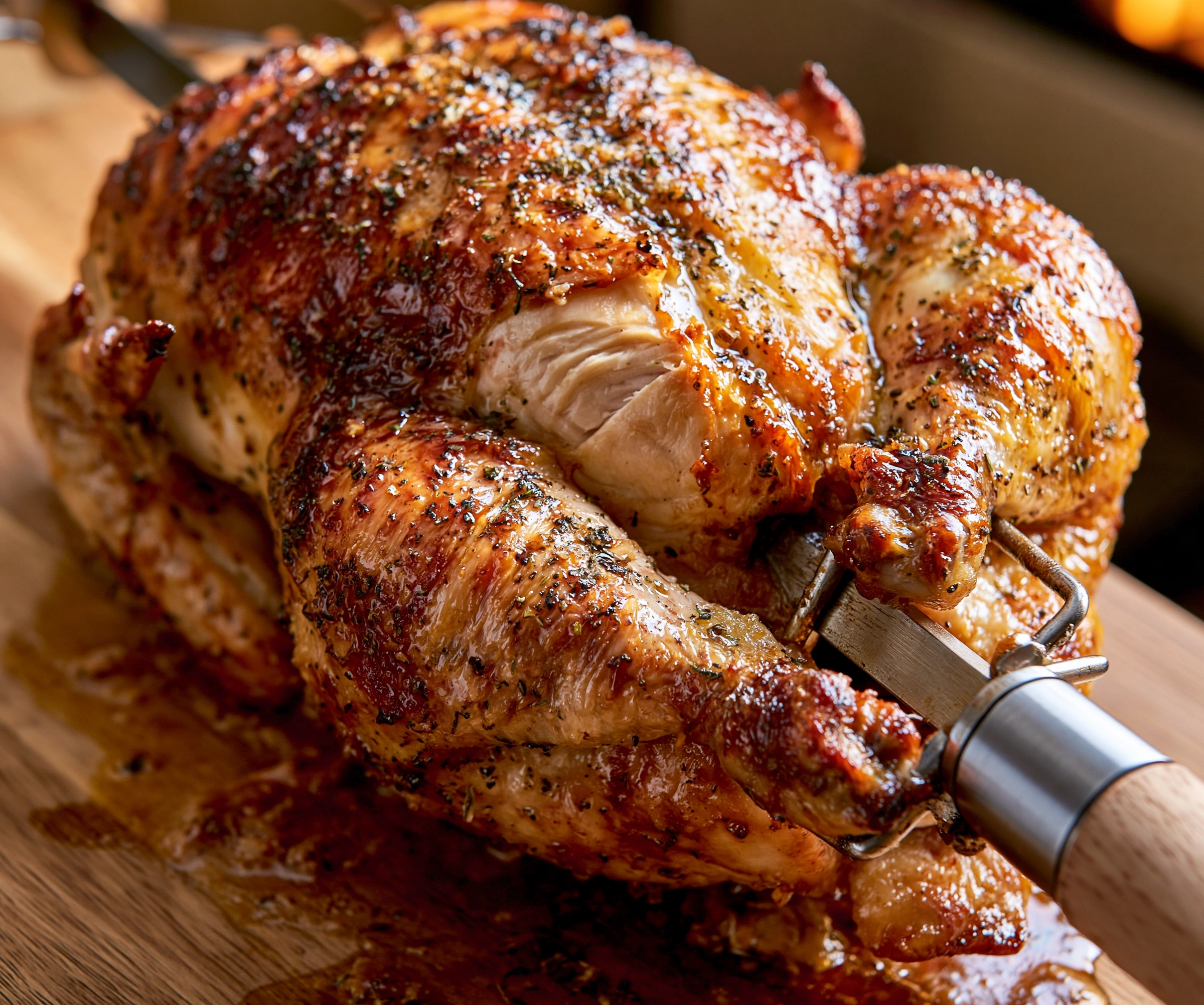
A rotisserie chicken recipe starts with the shortcut itself: one store-bought bird gives about 3 to 4 cups of shredded chicken—shred it warm, mix white and dark meat, and stretch it across tacos, soup, salad, casseroles, and pasta through the week. This collection shows how to shred, store, and reuse it, with the bones saved for stock and nothing wasted.
The 6 PM grocery run has a hero, and it is the warm rotisserie chicken sitting under the heat lamps. Dinner is solved for tonight—but the better question is how one bird covers three more nights, because shredded chicken that dries out on reheating, or leftovers that sit until they are thrown away, waste the whole shortcut.
This rotisserie chicken recipe collection answers that question with one shredding method, one storage plan, and a week of uses sorted by effort: 10-minute uses, 15-minute uses, and bake-ahead uses. Shred once, plan three uses, save the bones, and the week’s protein is handled before the weekend even starts.
Why This Rotisserie Chicken Recipe Beats Cooking Four Times
A store-bought rotisserie chicken is already seasoned, already cooked, and already juicy—and that is the whole argument for building a week around one bird instead of cooking chicken four separate times. The work is done by someone else’s oven, the seasoning is already in the meat, and the price buys not one dinner but the base for three or four.
The rule this collection runs on is simple: shred once, plan the uses, waste nothing. Night one serves the bird as-is or as tacos, and the shredded remainder stretches across planned uses, with dark meat saved for reheated skillet dishes and white meat for cold salads and sandwiches. The bones, meanwhile, go into a bag for stock, which is the last free meal from the same bird.
How to Shred a Rotisserie Chicken (the Base Method)
Shred the bird while warm, skin off, legs and wings off the frame, breasts lifted off, pulled by hand with forks for a finer shred afterward, then portioned into about 3 to 4 cups and stored airtight.
1. Shred While Warm
Shred while the bird is still warm, because warm meat pulls cleanly and cold meat tears and dries. Remove the skin first—it can be crisped in a dry pan and used as a garnish, if you like that crunch—but keep the meat itself the star. Work over a plate or board with a rim, since warm chicken releases juices worth keeping.
2. Separate White and Dark
Lift the breasts off the frame for the white meat, then pull the legs and thighs apart for the dark meat, keeping them loosely separate. The split matters for the week: dark meat stays juicier when reheated in a skillet, while white meat suits cold salads and sandwiches better. A mix of both gives the best flavor in any single dish.
3. Save the Bones
Do not throw the frame away. The bones go into a bag in the freezer for homemade stock, and the carcass alone can flavor a pot of soup later in the week. This is the part of the shortcut people forget, and it is the easiest win in the whole collection.
4. Portion and Store
You should have about 3 to 4 cups of shredded chicken—enough for one main dish plus leftovers, or 2 to 3 smaller uses across the week. Portion before storing so each use thaws separately, refrigerate airtight for 3 to 4 days, or freeze for up to 3 months. Taste before salting anything you make, since the bird is already seasoned.
10-Minute Rotisserie Chicken Recipe Uses: Tacos, Quesadillas, and Chicken Salad
Tacos come first on night one: warm the shreds in a skillet with taco seasoning and salsa, which keeps them moist, and pile them into warmed tortillas with reader-chosen toppings. Ten minutes, and dinner tastes cooked, not assembled.
Quesadillas take the same shreds and add cheese and beans in a dry pan, crisped on both sides until the cheese melts and the tortilla crackles. Chicken salad is the cold use: fold shreds with mayonnaise (or half Greek yogurt for a lighter version), diced celery, minced red onion, Dijon mustard, and dill, then chill 30 minutes so the flavors meld. Serve it in sandwiches, wraps, or lettuce cups, and our salads and sides collection has the salads this use belongs with.
Comfort Uses: Soups, Casseroles, and Enchiladas
Soups, casseroles, and enchiladas are where shredded chicken turns into comfort food: the chicken is already cooked, so it goes in near the end just to heat through, and the dish tastes slow-built without the slow build.
For soups, stir shreds into broth-based soups at the end—tortilla soup and chicken noodle are the recurring examples—and our soups collection has the bowls this use belongs with. Enchiladas take about 3 cups of shreds with cheese, sour cream, and enchilada sauce in warmed flour tortillas. Pot pie and other baked casseroles use the shreds the same way, and our chicken pot pie is the site’s own shredded-chicken casserole destination for the bake-ahead night.
Fast Bowls and Pasta: Alfredo, Grain Bowls, and Crack Chicken
Fettuccine Alfredo, grain bowls, and crack chicken are the fast uses that still feel like real dinners, each one built on the same shredded base with a different finish.
For Alfredo, fold shreds into cream, butter, and Parmesan for a 25-minute pasta that tastes like a restaurant bowl. Grain bowls go the fresh route: shreds over corn with a lime-chili sauce, cotija, and green onions, ready in about 15 minutes. Crack chicken is the creamy ranch-cheddar version—shreds warmed through melted cream cheese and ranch seasoning with cheddar and bacon, about 15 minutes total. Each use names its meat honestly: mixed meat for Alfredo and crack chicken, dark meat for anything reheated in a skillet.
How Do You Store Rotisserie Chicken So It Stays Good?
Store shredded rotisserie chicken airtight in the refrigerator for 3 to 4 days, or freeze it for up to 3 months, thawing overnight in the refrigerator before use.
Portion before storing so each use thaws on its own, and never leave the bird at room temperature for hours—refrigerate promptly after shredding. Reheat sauced dishes until steaming hot throughout, and make fresh toppings (strips, avocado, cheese) for reheated bowls rather than freezing them with the soup. The bird also improves as leftovers in one specific way: the flavors meld overnight, so night-two soup often tastes better than night-one tacos.
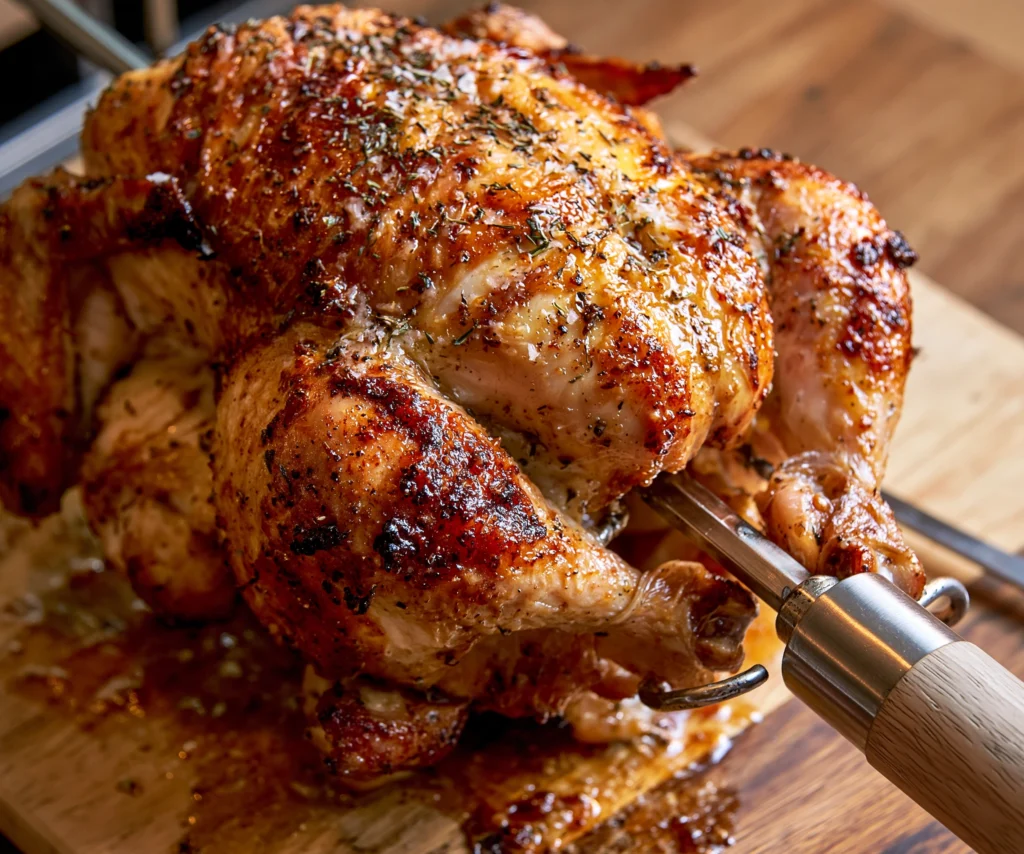
One Bird, a Week of Dinners
One bird, a week of dinners: shred once, plan three uses, save the bones. A sample 3-night plan looks like this—night one tacos, night two soup, night three salad or casserole—and the freezer holds whatever the week does not use. If a use runs short, stretch the shreds with beans, rice, or extra vegetables rather than opening a second bird, and season lightly since the bird is already seasoned.
Browse our chicken recipes when you need another dinner worth repeating. Give this recipe a try this week, starting with the warm shred and the 3-night plan. I’d love to hear your variations—tell me which use your table loved most and what you did with the bones.
Frequently Asked Questions
How much shredded chicken do you get from one rotisserie chicken?
About 3 to 4 cups—enough for one main dish plus leftovers, or 2 to 3 smaller uses across the week. The exact yield depends on the bird’s size, but a standard store-bought bird lands in that range. Plan one main use plus one or two smaller ones, and freeze anything the week does not use.
How do you shred a rotisserie chicken easily?
Shred it while warm, by hand, off the frame: skin off, legs and wings separated, breasts lifted off, then pulled apart with your fingers. Forks work for a finer shred afterward, but hand-shredding navigates the bones better. Cold chicken tears and dries, so warm shredding is the whole trick.
How long does rotisserie chicken last in the fridge, and can you freeze it?
3 to 4 days refrigerated in an airtight container, and up to 3 months frozen, thawed overnight in the refrigerator. Portion before storing so each use thaws separately, and refrigerate promptly—never leave the bird at room temperature for hours. Reheat sauced dishes until steaming hot throughout.
Should I use white meat, dark meat, or both?
Mixed, for the best flavor: dark meat stays juicier when reheated in skillet dishes, while white meat suits cold salads and sandwiches better. Keeping them loosely separate at shredding time lets you match the meat to the use. For a single dish, a mix of both tastes best.
What do I do with the bones?
Save them for homemade stock—simmer the frame with vegetables and water, and you have the base for next week’s soup. It is the last free meal from the same bird, and the easiest win in this collection. The skin, crisped in a dry pan, makes an optional garnish while you are at it.

Shredded Rotisserie Chicken (Base Method)
How to shred one store-bought rotisserie chicken into about 3 to 4 cups of meat for tacos, soups, salads, casseroles, and pasta through the week.
4
servings10
minutes15
minutesIngredients
1 store-bought rotisserie chicken
(Optional garnish: skin crisped in a dry pan)
Directions
- Shred While Warm — Shred while warm: skin off, legs and wings off the frame, breasts lifted off, pulled by hand; forks for a finer shred afterward.
- Separate White and Dark — Keep white and dark meat loosely separate: dark for reheated skillet dishes, white for cold salads and sandwiches.
- Save the Bones — Bones go in a bag for homemade stock; crisped skin is an optional garnish.
- Portion and Store — About 3 to 4 cups total; fridge 3 to 4 days airtight, freezer up to 3 months; taste before salting anything, since the bird is already seasoned.
Notes
- ROUNDUP/COLLECTION post, not a single recipe. The card carries the base shredding method only — never attach it to tacos, soup, or any single dish. Yield about 3 to 4 cups per bird.