20-Minute Sweet Heat Korean Ground Beef Bowls
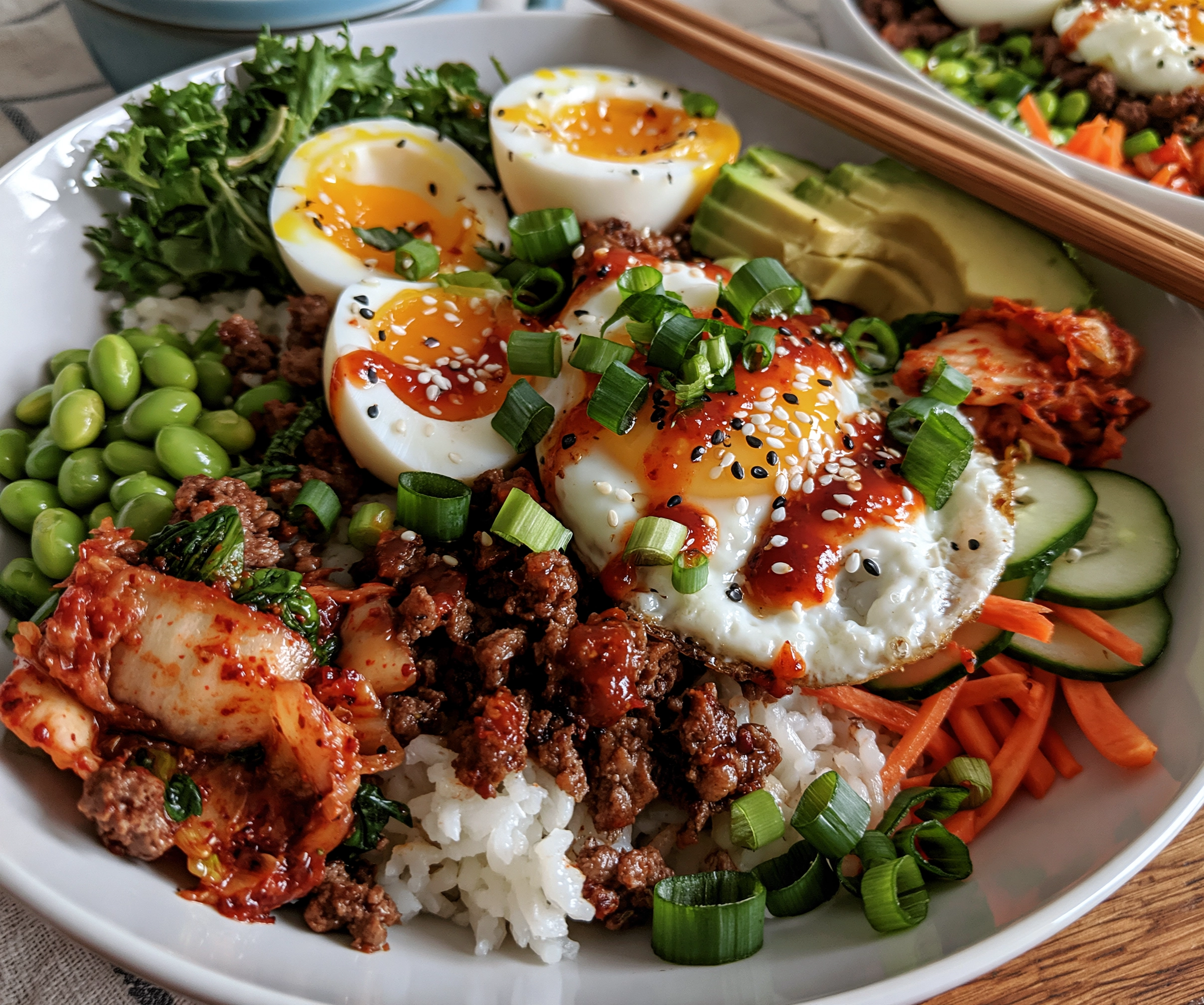
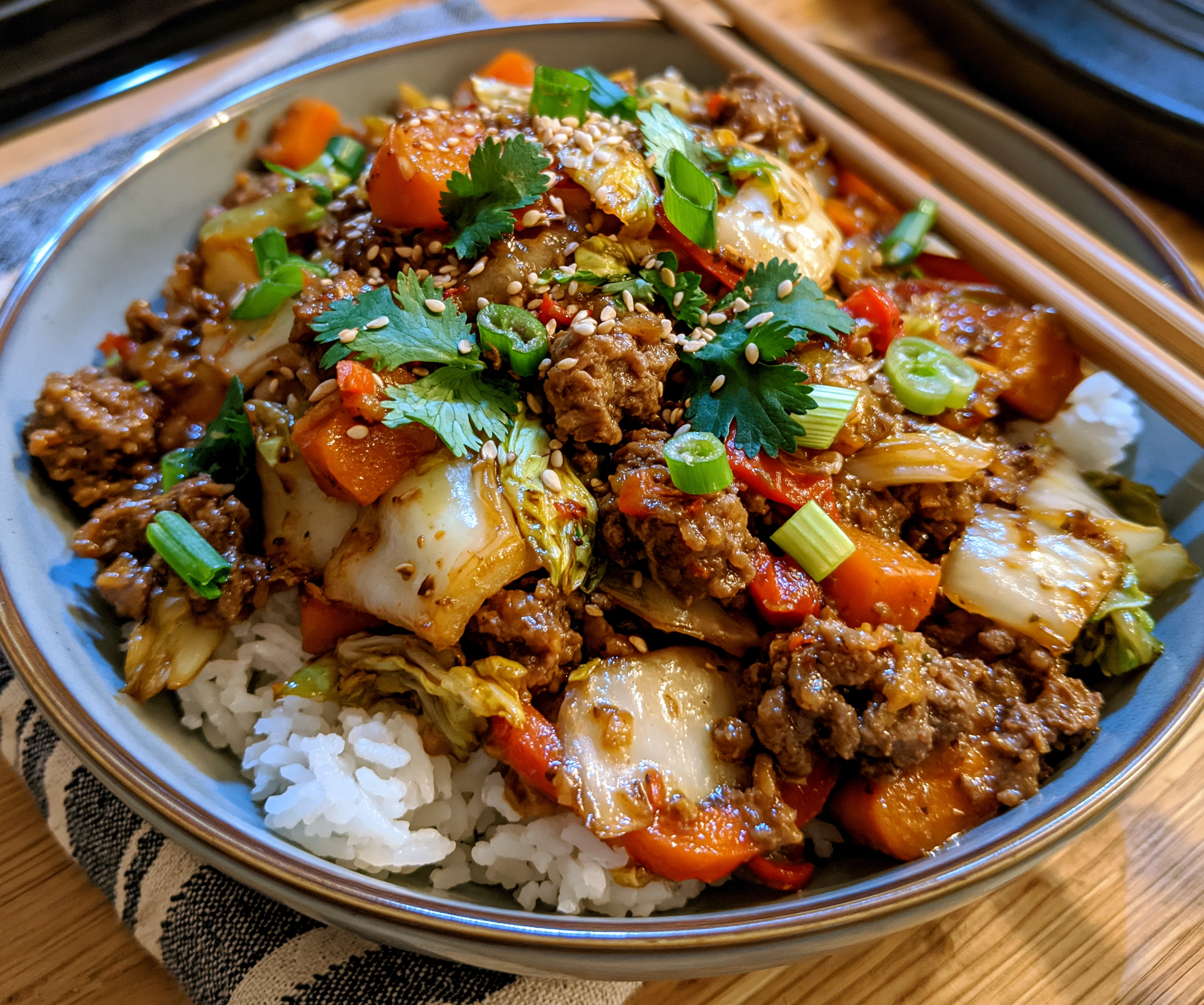
Korean Ground Beef Bowls bring bulgogi-style flavor to the table in 20 minutes, with browned ground beef in a glossy soy-brown-sugar-gochujang glaze over fluffy rice. The sauce ratio does the heavy lifting here, balancing sweet, salty, and spicy in one quick simmer. Top each bowl with crunchy vegetables and a fried egg if you like, and dinner is done before the rice gets cold.
Korean Ground Beef Bowls are my shortcut to bulgogi flavor without slicing beef or waiting on a marinade. Ground beef browns fast, the glaze comes together from pantry bottles, and the whole bowl builds in the time it takes rice to steam. It is bold, satisfying food for nights when you want big flavor with almost no fuss.
What makes these bowls work is restraint in the pan. The beef gets time to brown instead of being stirred into grey crumbles, and the glaze simmers just long enough to turn glossy. If you like quick Asian-inspired dinners, browse our Beef recipes for more weeknight ideas.
What I love most is how forgiving this dinner is. The glaze welcomes whatever vegetables are in the crisper, the heat bends to whoever is eating, and the whole meal comes together in one pan. It is the kind of recipe that quickly becomes a household regular.
What “Sweet Heat” Means in Korean Ground Beef Bowls
Sweet heat here means a glaze that leads with brown-sugar sweetness, follows with salty soy depth, and finishes with a warm gochujang glow. Gochujang, a fermented Korean chili paste, gives the sauce its body and slow warmth, unlike plain hot sauce. The balance matters more than the spice level, so taste and adjust before serving.
The ratio below keeps the sauce glossy and clinging rather than watery or candy-sweet. Brown sugar rounds the soy, rice vinegar lifts the richness, and sesame oil adds a nutty finish. Once you learn the balance, you can scale the heat up or down without breaking the sauce.
Ingredients
For the Beef:
- 1 lb 80/20 ground beef
- 1 tbsp sesame oil
- 3 garlic cloves, minced
- 1 tbsp grated fresh ginger
- 3 green onions, thinly sliced
For the Glaze:
- 1/4 cup soy sauce
- 2 tbsp brown sugar
- 1 tbsp gochujang
- 1 tbsp rice vinegar
- 1 tsp sesame oil
For the Bowls:
- 4 cups cooked rice
- 1 cup shredded carrots
- 1 cucumber, thinly sliced
- 1 tsp sesame seeds
- 4 fried eggs (optional, for topping)
Step-by-Step Method
The method is quick, so have the glaze mixed and the toppings ready before the beef hits the pan.
1. Brown the Beef Without Stirring
Heat the sesame oil in a large skillet over medium-high heat, add the beef, and press it into an even layer. Leave it alone for 3 to 4 minutes so a brown crust forms, then break it into crumbles. Constant stirring steams the meat instead of browning it, and browning is where the flavor lives.
2. Bloom the Garlic and Ginger
Push the beef to the edges and add the garlic and ginger to the center, cooking for 30 seconds until fragrant. Blooming the aromatics in the hot fat wakes up their flavor far better than adding them cold. Stir everything together, then drain off excess fat if the pan looks greasy.
3. Whisk and Pour the Glaze
Whisk the soy sauce, brown sugar, gochujang, rice vinegar, and sesame oil in a small bowl until the sugar dissolves. Pour the glaze over the beef and stir to coat every crumble. The pan should sizzle as the sauce hits the heat, and the sugar will start to shine within a minute.
4. Simmer to a Glossy Finish
Simmer for 2 to 3 minutes, stirring often, until the glaze thickens and clings to the beef instead of pooling. A glossy coat that holds on the spoon means it is ready. Taste and add a pinch more sugar for sweetness or a dab more gochujang for heat.
5. Build the Bowls
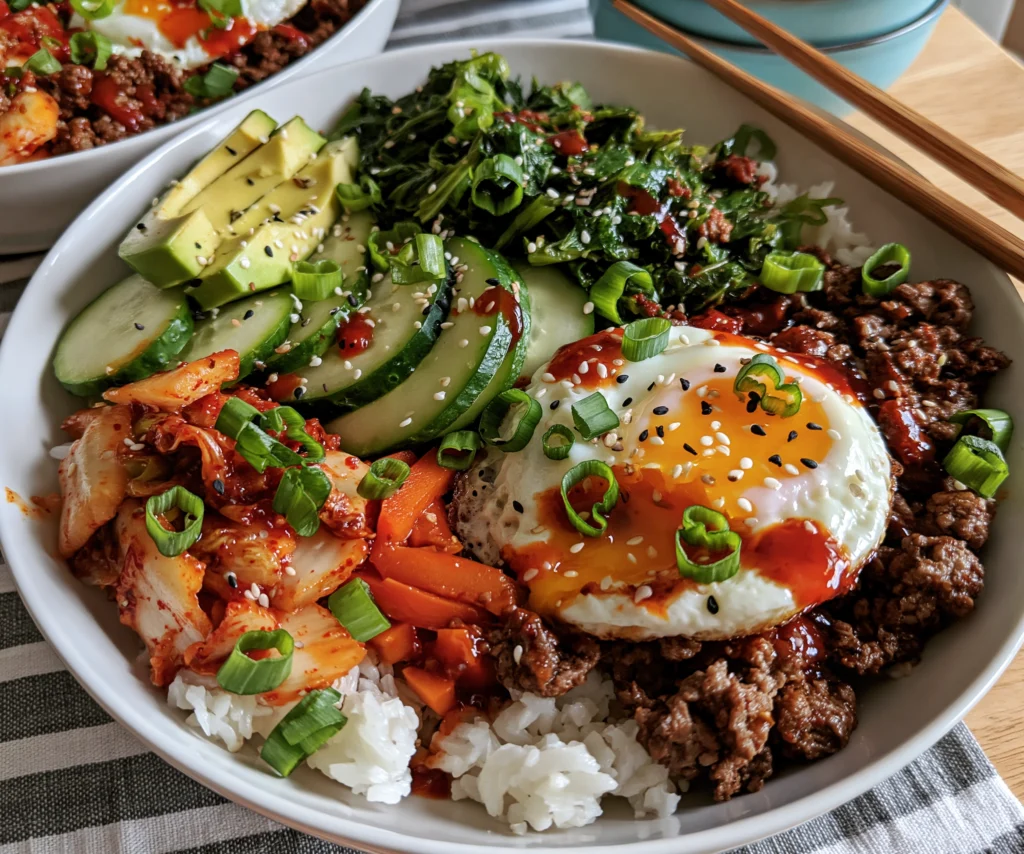
Spoon rice into bowls, pile the glazed beef on top, and finish with carrots, cucumber, green onions, and sesame seeds. Add a fried egg if you like, since the runny yolk turns the bowl richer. Serve right away while the beef is hot and the vegetables are crisp.
The Sauce Ratio
The sauce ratio is simple to remember: four parts soy sauce to two parts brown sugar to one part gochujang, with rice vinegar and sesame oil as finishers. That balance gives a glaze that is sweet first, salty second, and warm last. Measure the first time, then adjust by taste.
To scale the heat down, halve the gochujang and add a teaspoon of tomato paste for body. To scale it up, add gochujang by the teaspoon, simmering 1 minute between additions so the heat blooms before you judge it. Keep the soy-to-sugar balance steady either way, since that is what keeps the glaze glossy and clinging.
Topping Korean Ground Beef Bowls Your Way
Top these bowls with whatever crunch you have on hand, since the glazed beef welcomes contrast. Carrots and cucumber add cool crispness, green onions add bite, and sesame seeds add a nutty finish. A fried egg with a runny yolk is the classic topper, turning the bowl richer with no extra skill.
For vegetables, try quick-pickled cucumber, shredded cabbage, or steamed broccoli, and keep them raw or barely cooked so they stay bright. For a lighter bowl, swap half the rice for cauliflower rice and load up the vegetables. For more bowl-style dinners, explore our pasta and rice recipes.
Gluten-Free: use tamari instead of soy sauce and check that your gochujang is certified gluten-free, since some brands add wheat.
Lower Calorie: use 90/10 ground beef and serve over cauliflower rice, which keeps the bowl satisfying while trimming fat and starch.
Storage and Meal Prep
Store the glazed beef in an airtight container in the fridge for 3 to 4 days, keeping the rice and toppings separate so nothing turns soggy. Reheat the beef gently in a skillet with a splash of water, which loosens the glaze back to glossy. Pack lunch bowls with cold toppings on the side and add them after reheating.
Each serving has approximately 520 calories with rice, though values vary by brand and toppings. The beef also freezes well for up to 3 months in sauce, so a double batch gives you a head start on a future busy night. Thaw overnight in the fridge before reheating.
Conclusion
Korean Ground Beef Bowls prove that bold, restaurant-style flavor does not require slicing, marinating, or a long ingredient list. Browned beef, a balanced sweet-heat glaze, and fresh toppings turn pantry staples into a dinner worth repeating. It is fast, flexible, and filling in exactly the right proportions.
Give this recipe a try this week, and I would love to hear your variations — your heat level, your toppings, or your own sauce twist. For more quick beef dinners, browse our Beef recipes and our salads and sides for fresh pairings, or try the noodle-style cousin 20-Minute Chicken Lo Mein That Beats Takeout.
Frequently Asked Questions
What can I use instead of gochujang?
Sriracha mixed with a teaspoon of tomato paste is the closest quick swap, giving heat plus body, though it lacks gochujang’s fermented depth. Use half the amount at first, since sriracha runs hotter, then adjust by taste. In a pinch, chili garlic sauce with a pinch of sugar also works.
Lean or 80/20 ground beef?
80/20 ground beef is the better choice here because the fat keeps the crumbles juicy and helps the glaze cling. Leaner beef, such as 90/10, works but can taste dry, so add a teaspoon of sesame oil with the aromatics. Drain excess fat either way if the pan looks greasy before adding the glaze.
How do I control the heat level?
Start with the listed tablespoon of gochujang, which gives a warm glow rather than a burn. For milder bowls, halve the gochujang and add a teaspoon of tomato paste for body. For hotter bowls, add gochujang by the teaspoon and simmer 1 minute between additions so the heat blooms before you judge it.
What rice works best?
Short-grain or jasmine rice works best because the slightly sticky grains hold the glaze and crumbles together. Long-grain rice also works, though it stays more separate in the bowl. Brown rice adds chew and fiber but needs its own cooking time, so start it well before the beef.
How long does it keep for meal prep?
The glazed beef keeps in the fridge for 3 to 4 days in an airtight container, with rice and toppings stored separately. Reheat the beef gently with a splash of water to bring the glaze back to glossy. For longer storage, freeze the beef in its sauce for up to 3 months and thaw overnight.
20-Minute Sweet Heat Korean Ground Beef Bowls
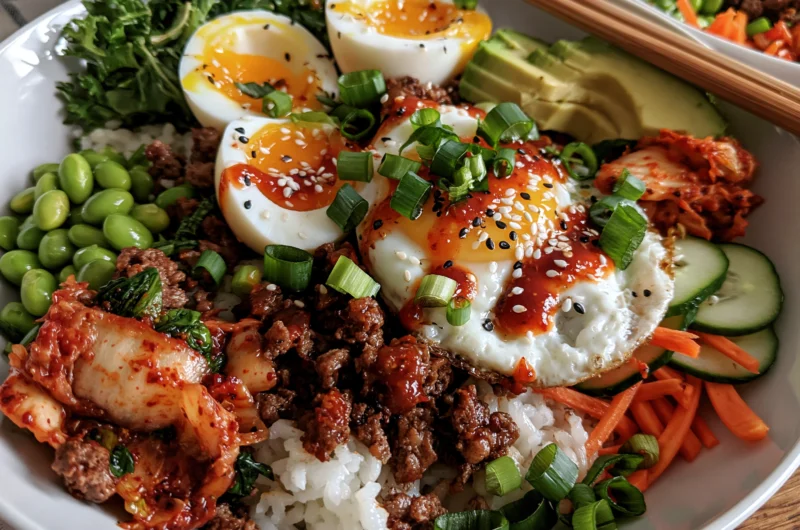
Browned ground beef in a glossy soy-brown-sugar-gochujang glaze over rice, with crunchy toppings and an optional fried egg.
4
servings5
minutes15
minutes520
kcal20
minutesIngredients
- For the Beef
1 lb 80/20 ground beef
1 tbsp sesame oil
3 garlic cloves, minced
1 tbsp grated fresh ginger
3 green onions, thinly sliced
- For the Glaze
1/4 cup soy sauce
2 tbsp brown sugar
1 tbsp gochujang
1 tbsp rice vinegar
1 tsp sesame oil
- For the Bowls
4 cups cooked rice
1 cup shredded carrots
1 cucumber, thinly sliced
1 tsp sesame seeds
4 fried eggs (optional, for topping)
Directions
- Brown the Beef Without Stirring: Heat sesame oil in a large skillet over medium-high heat, press the beef into an even layer, leave 3 to 4 minutes to brown, then break into crumbles.
- Bloom the Garlic and Ginger: Push the beef aside, cook garlic and ginger in the center for 30 seconds until fragrant, stir together, and drain excess fat if needed.
- Whisk and Pour the Glaze: Whisk soy sauce, brown sugar, gochujang, rice vinegar, and sesame oil, pour over the beef, and stir to coat.
- Simmer to a Glossy Finish: Simmer 2 to 3 minutes, stirring often, until the glaze thickens and clings to the beef; adjust sugar or gochujang to taste.
- Build the Bowls: Spoon rice into bowls, pile on the glazed beef, and finish with carrots, cucumber, green onions, sesame seeds, and a fried egg if you like.
Notes
- The 20-minute total covers the beef and glaze only — rice time is separate, so use already-cooked rice or start it before the beef.
- USDA guidance for ground beef is 160°F.
- Fridge 3 to 4 days with rice and toppings stored separately; freeze beef in sauce up to 3 months.

3 Comments