Low-and-Slow Perfect Pulled Pork
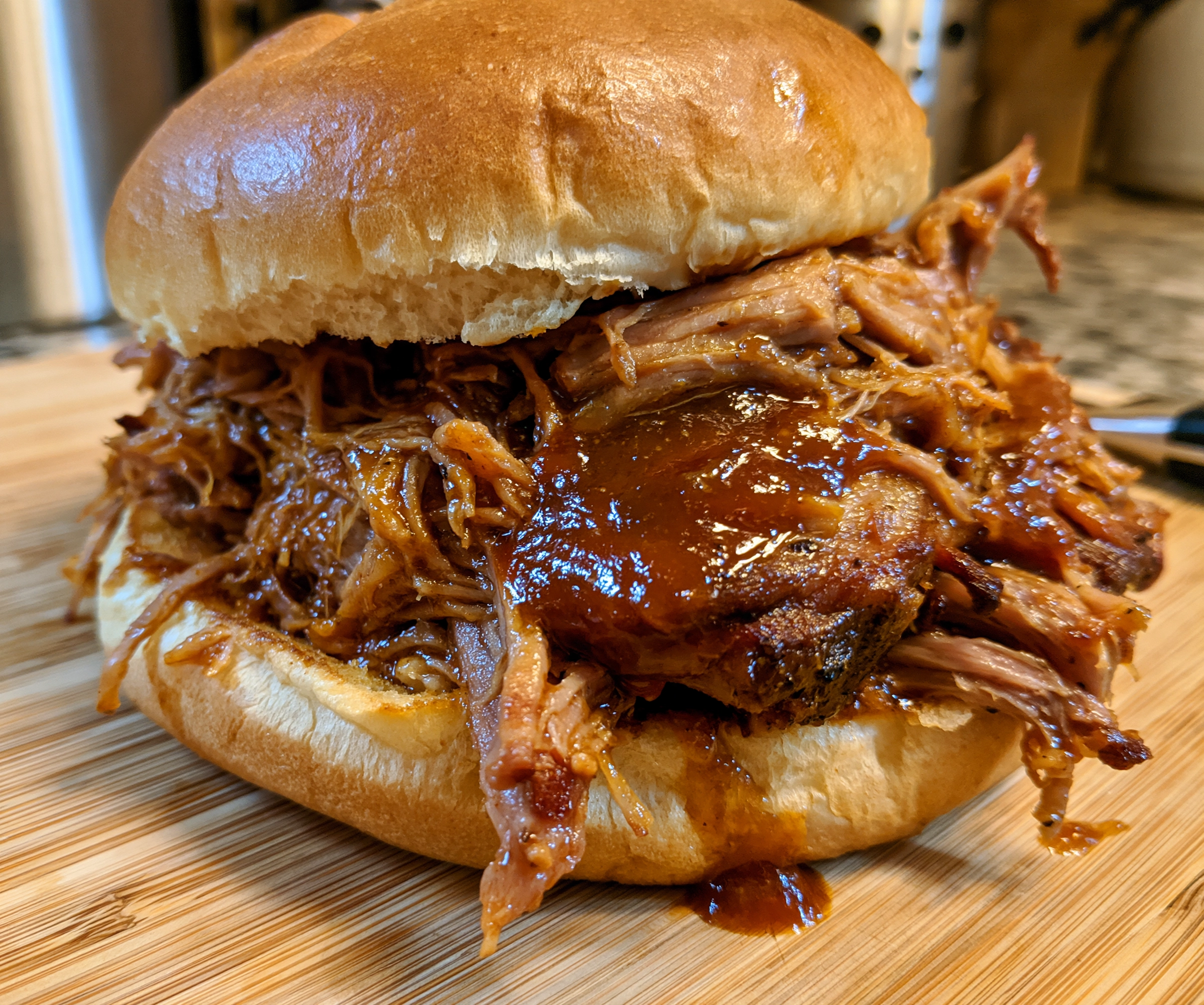
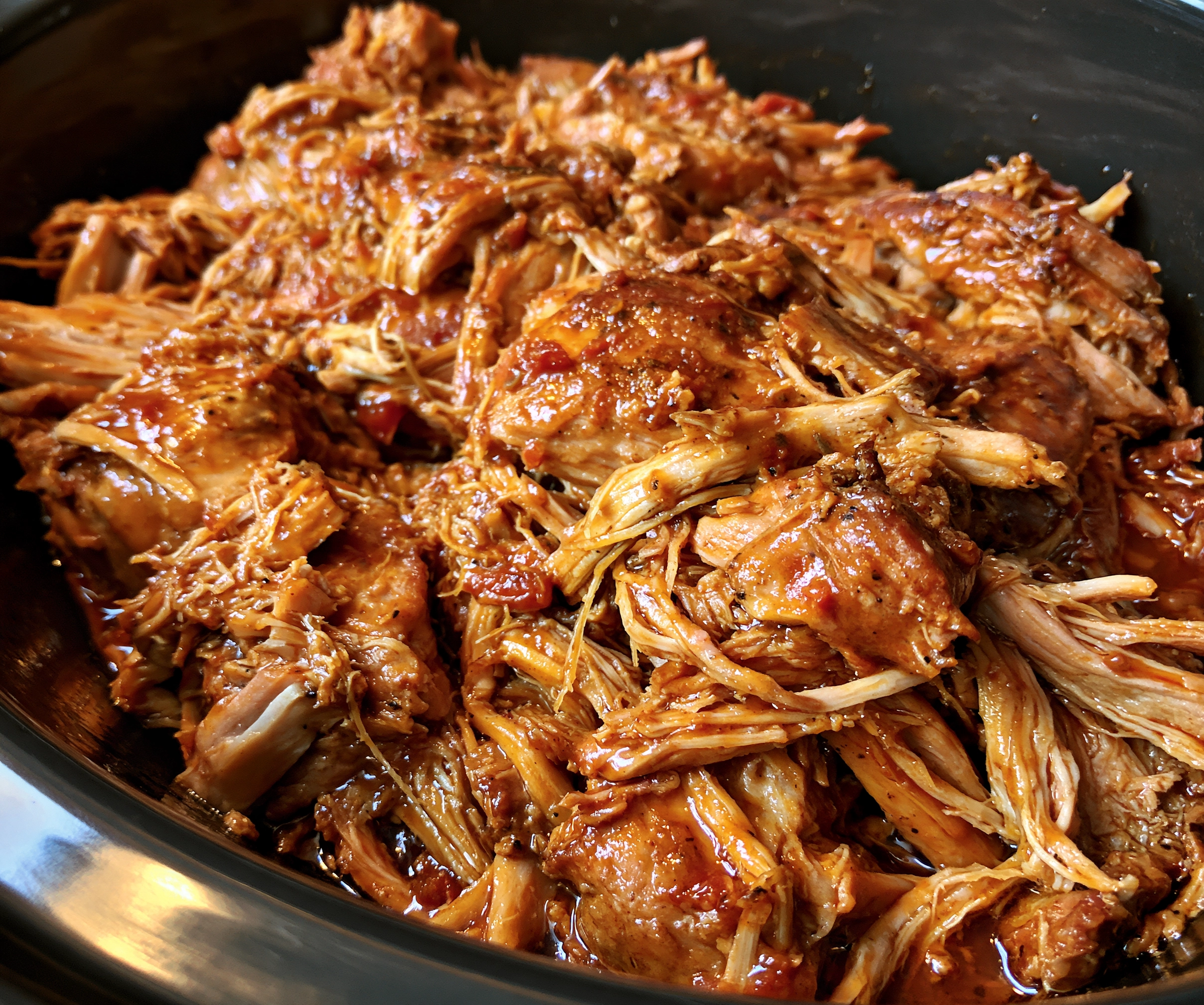
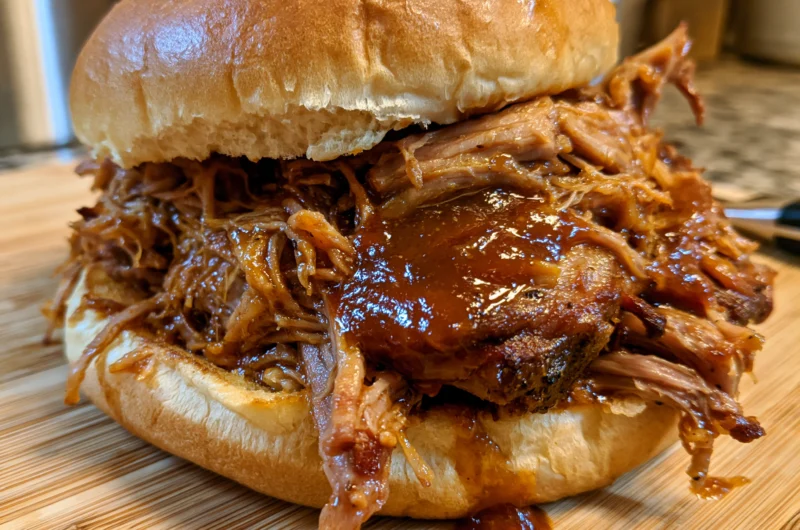
Low and slow in the oven turns a pork butt shreddable and juicy with a dark, flavorful bark — the 200°F finish, the hour-long rest, and the pan juices stirred into the sauce. This pulled pork feeds you for days: sandwiches, tacos, and baked potatoes from one cook. One roast, a week of dinners.
The all-day cook that fills the kitchen with barbecue aroma and feeds the whole week — this pulled pork is the ultimate low-and-slow reward. One roast becomes sandwiches, tacos, and baked potatoes for days, and the bark is the reason nobody complains about leftovers. The thermometer decides when it is done, not the clock. It is the kind of cooking that makes the whole house smell like a barbecue joint.
The rest stays simple on purpose. One pork butt, a short rub of pantry spices, and a low oven are all you need, and the afternoon belongs to the roast. The secret is the temperature: cook to 200°F, rest for an hour, and shred only when the fork slides in with almost no resistance. Pile it on buns with vinegar-based slaw, and dinner is done.
Why 200°F, Not a Clock, Decides When It’s Done
200°F decides when the pork is done because connective tissue breaks down around 195 to 205°F, and no clock can tell you when a particular roast gets there. A thermometer and a fork test can, and they are the only tests that matter.
A pork butt is full of collagen, the tough connective tissue that makes the meat chewy when it is undercooked. Between 195 and 205°F, that collagen melts into gelatin, and the meat turns shreddable and juicy. Below that range the roast slices instead of shredding, and above it the meat dries out, so the window matters more than the hours. It is the same reason a brisket stalls for hours — the collagen is doing its slow work.
The fork test is the second half of the answer. When the roast is ready, a fork slides into the thickest part with almost no resistance, and the meat pulls apart in soft strands. If the fork meets resistance, give the roast another 30 minutes and test again, because patience is cheaper than dry pork.
Pork Butt vs Pork Shoulder: What to Buy
The names confuse everyone, and the butcher counter does not help. Boston butt and pork shoulder are the same cut family, and either one shreds beautifully.
Boston butt is the upper part of the shoulder, and it is the cut you want: well marbled, full of connective tissue, and usually sold bone-in or boneless. The lower part, sold as picnic shoulder, works too, but it has more skin and bone to work around. Avoid pork loin entirely, because it is too lean to shred and dries out over a long cook.
Bone-in or boneless is your choice, and both work. A bone-in butt cooks a little slower and the bone falls out clean when the roast is done, which is a handy doneness cue. Boneless is easier to rub and shred, so choose whichever your butcher has. Either way, look for good marbling, because fat is what keeps the meat juicy over eight hours.
Ingredients
The list is short, and every item earns its place. Gather everything before you start, because the rub goes on hours before the roast does.
For the Pork:
- 1 pork butt (Boston butt), 4 to 5 lb, bone-in or boneless
- 1 tbsp liquid smoke, optional
For the Rub:
- 1/4 cup brown sugar
- 2 tsp smoked paprika
- 1 tsp cumin
- 2 tsp garlic powder
- 2 tsp dry mustard
- 1 tbsp kosher salt
- 1 tsp black pepper
For Serving:
- 1 cup BBQ sauce, your favorite
- 8 soft buns
- 2 cups vinegar-based slaw
Use a pork butt, not a loin, because the marbling and connective tissue are what make the meat shreddable. The liquid smoke is optional, but a little brushed on first gives the roast a smoky note without a smoker. Prep takes 15 minutes, the cook runs 8 hours, and the total is 8 hours 15 minutes. Per serving, this pulled pork is approximately 430 calories, and values vary by brand and sauce.
Step-by-Step: How to Make Pulled Pork
Rub the pork, roast it uncovered at 250°F until it reaches 200°F, and rest it wrapped for an hour. Shred with two forks, stir the pan juices into the sauce, and toss everything together so the bark stays mixed through.
1. Rub to Perfection
Pat the pork dry and rub it all over with the spice rub, pressing the spices into every surface. If you are using liquid smoke, brush it on first, then rub. Let the rubbed pork sit for 30 minutes at room temperature, or overnight in the refrigerator for a deeper flavor.
2. Roast Low and Slow
Set the pork fat-side up on a rack over a foil-lined pan and slide it into a 250°F oven, uncovered. Roast for 8 to 10 hours, until an instant-read thermometer in the thickest part reads 200 to 205°F and a fork slides in with almost no resistance. A bone-in roast is done when the bone wiggles loose with a gentle tug. Do not open the oven to check it every hour, because every peek drops the temperature and adds time.
3. Rest Wrapped for an Hour
Wrap the roast tightly in foil, then wrap it in towels, and rest it for one hour. The rest lets the juices settle back into the meat and lets the temperature even out, and the meat shreds far more easily after it. Skip the rest and the juices run out onto the board instead of staying in the meat.
4. Shred and Sauce
Shred the pork with two forks, pulling it into soft strands and discarding any large fat pockets. Deglaze the roasting pan with a splash of water, reduce the juices, and stir them into the BBQ sauce. Toss the sauce through the meat so the bark stays mixed in, and serve on buns with vinegar-based slaw. Taste as you toss, because the meat should be saucy, not swimming.
The Bark: Why the Roast Stays Uncovered
The bark forms because the roast stays uncovered, and trapped steam would soften the rub into mush. Uncovered heat lets the sugar and spices set into a dark crust, while the fat renders slowly underneath.
A bark is sugar, spices, and rendered fat set into a crust by dry heat, and it needs air to form. Cover the roast and the steam softens everything into a pale, wet rub that never crisps. The foil-lined pan underneath catches the drippings, so nothing is lost while the top stays dry.
The dark color is not burning, and that matters. Brown sugar darkens as it caramelizes, and smoked paprika deepens the color further, so a dark bark is a sign of flavor, not a mistake. If the edges look too dark, tent them loosely with foil and keep roasting.
Serving and Storing Pulled Pork
One batch feeds you for days, so plan the table before you shred. Sandwiches first, then tacos, then baked potatoes.
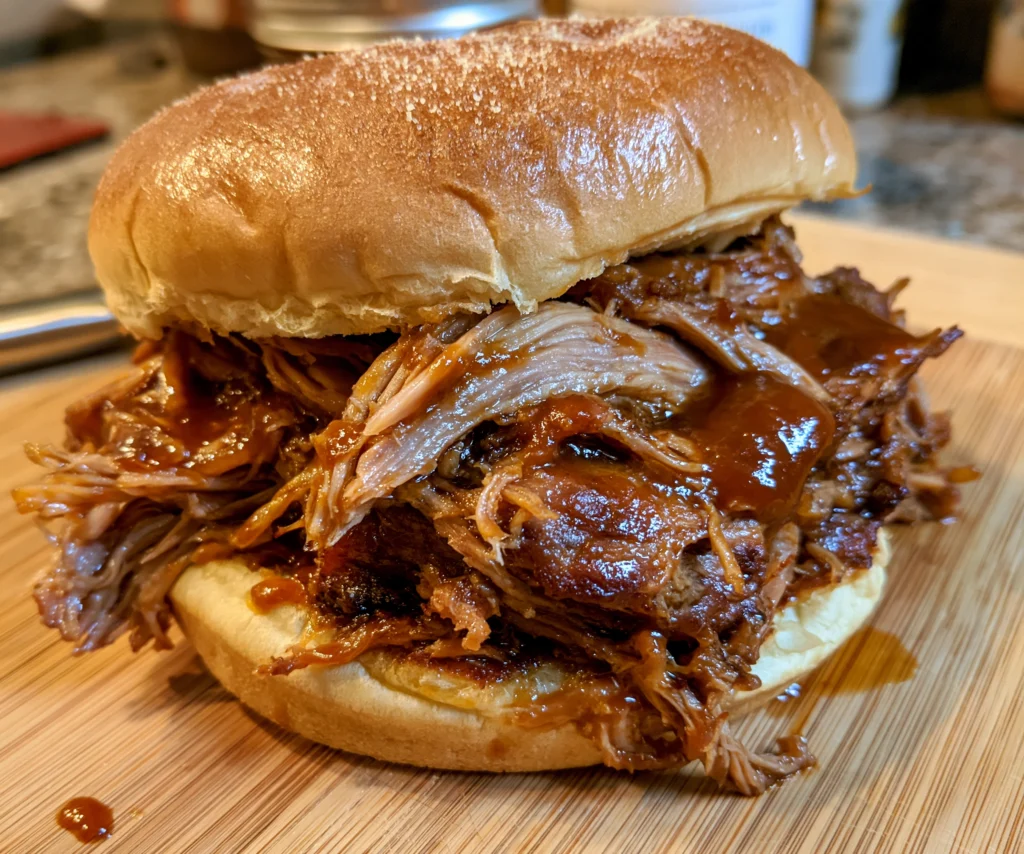
Pile the pork on soft buns with vinegar-based slaw and extra BBQ sauce, because the slaw cuts the richness perfectly. Tacos and baked potatoes take the same pork the next day, and a green salad from our salads and sides keeps the plate fresh. For a crowd, set out the pork, buns, and toppings and let everyone build their own. A vinegar-based slaw is the classic partner, and it keeps for days in the refrigerator too.
Leftover pulled pork keeps for four days in the refrigerator or three months in the freezer, in portions. Freeze in meal-sized bags with a spoonful of sauce, and reheat gently in a covered skillet with a splash of water. A little sauce stirred in at the end brings the pork back to life.
For game day or a cookout, add a starter from our appetizers and snacks, and let the pork be the centerpiece. One cook, a week of dinners, and nobody complains about leftovers.
Why This Dish Earns a Spot in Your Rotation
This pulled pork proves that a barbecue essential does not require a smoker or complicated technique. Low and slow, a thermometer, and an hour of rest give you shreddable meat and a dark, flavorful bark.
Browse our pork and sausage recipes for another dinner that works this hard for you, and try our juicy smoky pulled beef brisket when you want the same low-and-slow magic on a different cut. Give this recipe a try this weekend, and rest it for the full hour so the meat shreds the way it should. I would love to hear your variations, whether you change the rub, add a different sauce, or serve it a completely different way.
Frequently Asked Questions
Bone-in or boneless — which is better?
Both work, and the choice is yours. A bone-in butt cooks a little slower, and the bone falls out clean when the roast is done, which is a handy doneness cue. Boneless is easier to rub and shred, so choose whichever your butcher has.
Do I need a smoker for real pulled pork?
No, and the oven does a wonderful job on its own. A smoker adds a deeper smoke flavor, but the low-and-slow oven method gives you the same shreddable meat and a real bark. A little liquid smoke brushed on first adds a smoky note without any extra equipment.
Why is my pulled pork dry?
Dry pork usually means the roast did not reach 200°F, or it was sliced instead of shredded before the collagen melted. Cook to 200 to 205°F, rest for the full hour, and shred only when the fork slides in easily. Stirring the pan juices into the sauce also brings moisture back. If it is already dry, toss it with warm sauce and a splash of the cooking liquid before serving.
Can I make it in advance?
Yes, and it is one of the best make-ahead dishes, because the flavor improves overnight. Roast and shred it a day ahead, store it with its sauce, and reheat gently in a covered pan with a splash of water. The bark softens a little, but the flavor more than makes up for it.
How do I freeze pulled pork?
Freeze it in meal-sized portions in freezer bags, with a spoonful of sauce in each bag to keep it moist. Squeeze out the air, label the bags, and freeze for up to three months. Thaw overnight in the refrigerator and reheat gently with a splash of water.
Low-and-Slow Perfect Pulled Pork
A low-and-slow oven pulled pork with a dark, flavorful bark and shreddable, juicy meat, finished with pan juices stirred into BBQ sauce.
10
servings15
minutes8
hours430
kcal8
hours15
minutesIngredients
- For the Pork
1 pork butt (Boston butt), 4 to 5 lb, bone-in or boneless
1 tbsp liquid smoke, optional
- For the Rub
1/4 cup brown sugar
2 tsp smoked paprika
1 tsp cumin
2 tsp garlic powder
2 tsp dry mustard
1 tbsp kosher salt
1 tsp black pepper
- For Serving
1 cup BBQ sauce, your favorite
8 soft buns
2 cups vinegar-based slaw
Directions
- Pat the pork dry and rub it all over with the spice rub. Brush with liquid smoke first if using.
- Set fat-side up on a rack over a foil-lined pan and roast uncovered at 250°F for 8 to 10 hours, until the center reads 200 to 205°F and a fork slides in easily.
- Wrap tightly in foil, then in towels, and rest 1 hour.
- Shred with two forks, discarding large fat pockets.
- Deglaze the pan, reduce the juices, stir into the BBQ sauce, and toss with the meat. Serve on buns with slaw.
Notes
- Rest 1 hour wrapped in foil — not counted in the total time. A bone-in roast is done when the bone wiggles loose. Calories are approximately 430 per serving, and values vary by brand and sauce. Fridge 4 days, freezer 3 months in portions.