Luxurious Wine Braised Short Ribs
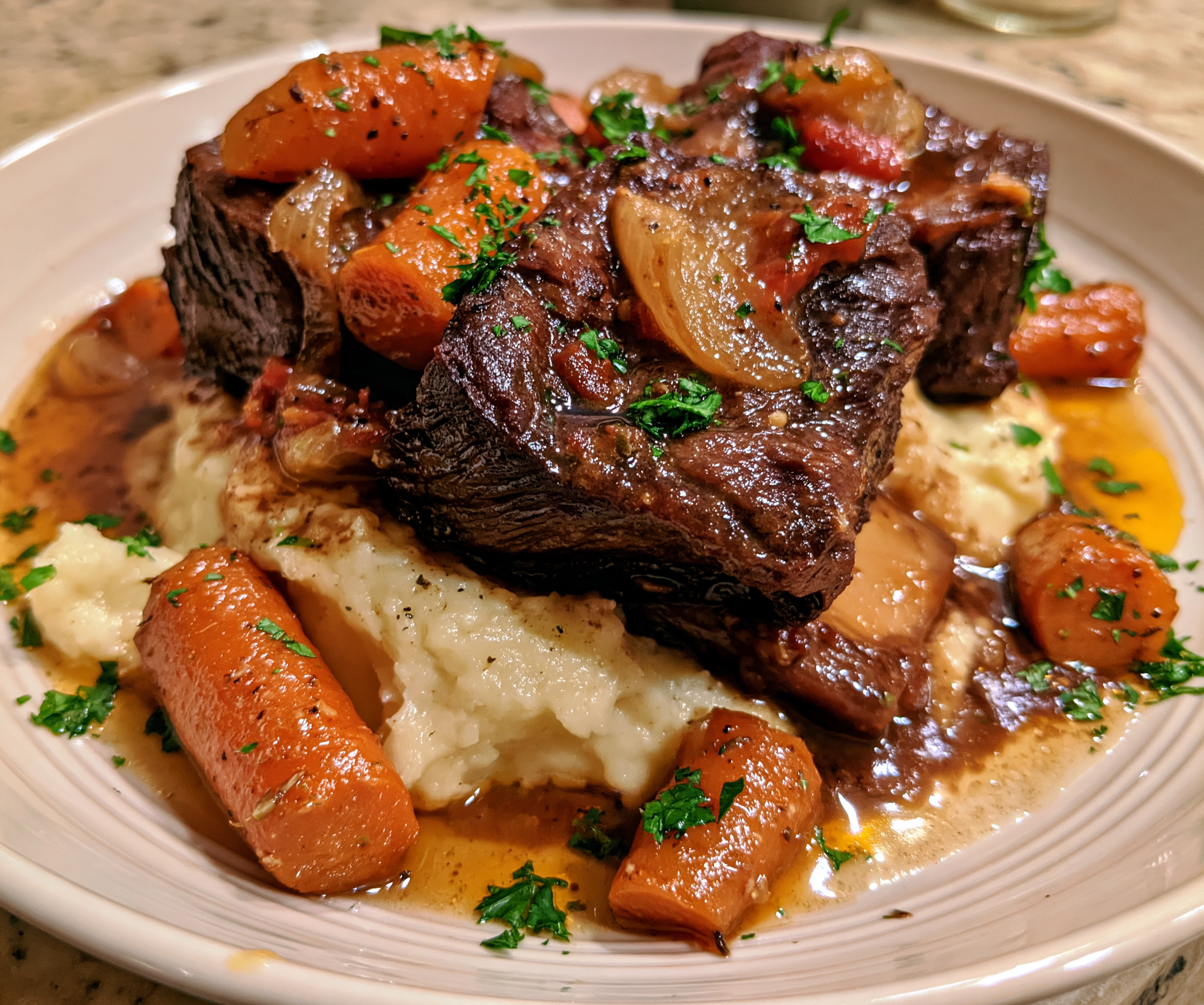
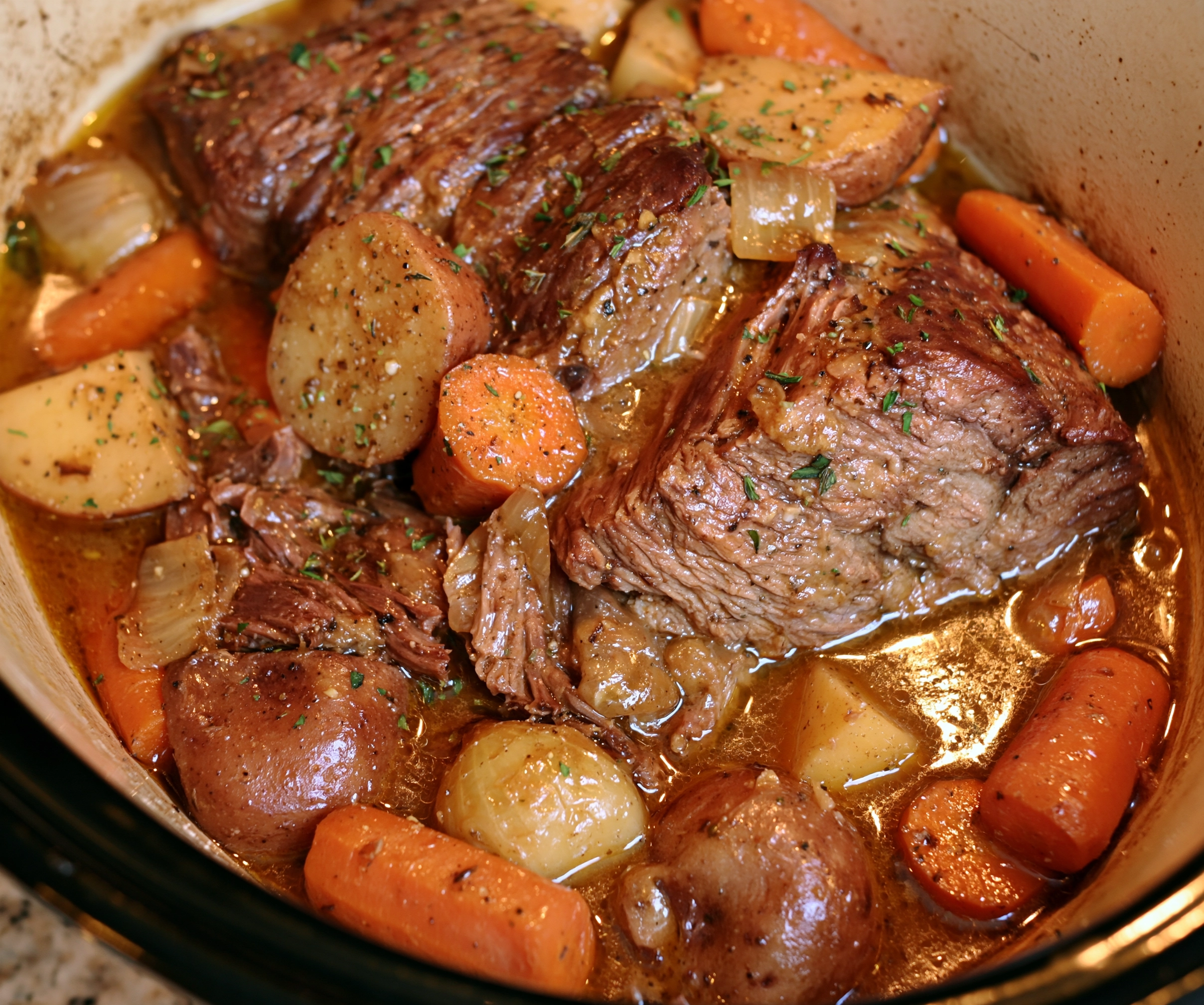
Wine Braised Short Ribs are bone-in ribs seared hard, then braised for 3 hours in red wine and beef broth with mirepoix and herbs until fall-off-the-bone tender. The sauce strains and reduces into a rich red wine reduction, served over mash as photographed. It is the ultimate special-occasion dish that practically cooks itself once the pot goes in the oven.
Wine Braised Short Ribs are my special-occasion showpiece, the dinner I make when the table deserves something quietly luxurious. Hours of gentle braising turn tough ribs into silk, and the red wine reduction tastes like a restaurant sauce. The oven does nearly all the work, which leaves you free to enjoy the evening.
The method follows a classic rhythm: sear deeply, soften vegetables, deglaze with wine, and braise low until a fork slides through. If you enjoy slow-braised beef dinners, browse our Beef recipes for more weekend cooking.
What I love most is how calm this recipe feels despite its luxury. The active work takes under an hour, the braise needs only an occasional check, and the sauce finishes in minutes. It is special cooking without the stress that usually comes with it.
It also scales for a crowd without much extra work, since the same pot holds a double batch with only a longer sear. The braise time stays the same, the sauce stretches, and the table gets a centerpiece worth gathering around. That generosity is why this dish anchors so many of my holiday menus.
Why Wine Braised Short Ribs Reward Patience
Short ribs reward patience because their collagen slowly melts into gelatin over hours of gentle heat, turning tough meat fork-tender and enriching the sauce at the same time. A fast cook leaves them chewy, while a slow braise transforms them completely. The fork test tells the truth: when a fork slides in with no resistance, the ribs are done.
Bone-in ribs give the best result here, since the bones add body to the sauce and help the meat stay moist through the long braise. Boneless ribs work too, though they cook a little faster and give a slightly less rich sauce. Either way, low heat and enough time matter far more than any fancy ingredient.
The cut matters as much as the time, so look for ribs with visible marbling and a thick meat cap over the bone. Very lean ribs never turn silky, no matter how long they braise, while well-marbled ones forgive a slightly long oven stay. Ask for thick, meaty English-cut ribs rather than thin cross-cut strips, which dry out faster.
Ingredients
For the Ribs:
- 4 lb bone-in beef short ribs
- Salt and black pepper, to taste
- 2 tbsp neutral oil
For the Mirepoix and Herbs:
- 1 onion, diced
- 2 carrots, diced
- 2 celery stalks, diced
- 4 garlic cloves, smashed
- 2 tbsp tomato paste
- 4 fresh thyme sprigs
- 1 fresh rosemary sprig
- 2 bay leaves
For the Braising Liquid:
- 2 cups dry red wine (Cabernet, Merlot, or Pinot Noir)
- 4 cups beef broth
To Serve:
- Mashed potatoes or polenta, as photographed
- Chopped fresh parsley, for garnish
Step-by-Step Method
The oven method is the main route here, keeping this post distinct from the slow-cooker version of the same cut.
1. Sear the Ribs Hard
Pat the ribs dry, season generously with salt and pepper, and sear in oil over medium-high heat in batches until deeply browned on all sides. Deep color now means deep flavor later, so do not rush this step or crowd the pot. Set the ribs aside with their juices.
2. Soften the Vegetables
Lower the heat to medium and cook the onion, carrots, and celery for 6 to 8 minutes, until the onion turns translucent and sweet. Add the garlic in the last minute until fragrant. Softened vegetables melt into the sauce later, so give them time to sweeten properly.
3. Cook the Tomato Paste and Deglaze
Stir in the tomato paste and cook for 2 minutes, until it darkens to brick red. Pour in the red wine, scraping up every browned bit, and simmer for 3 to 4 minutes to cook off the raw alcohol edge. The wine should smell rich and rounded, not sharp, before the broth goes in.
4. Braise Low for 3 Hours
Return the ribs to the pot, add the beef broth, thyme, rosemary, and bay leaves, and bring to a gentle simmer. Cover and braise in a 325°F oven for 2 and 1/2 to 3 hours, until a fork slides into the meat with no resistance. Resist lifting the lid often, since each peek drops the oven temperature and stretches the braise. Check once halfway and add a splash of broth if the liquid runs low.
5. Strain, Reduce, and Serve
Lift the ribs out carefully and keep them warm. Strain the sauce through a fine sieve, skim the fat, and simmer the sauce for 8 to 10 minutes until it coats a spoon. Taste the reduced sauce before serving and adjust salt, since reduction concentrates seasoning as well as flavor. Spoon the ribs over mash or polenta, ladle over the reduction, and garnish with parsley.
The Sear Is the Sauce
A deep sear builds the sauce’s color and flavor, since the browned crust on the ribs dissolves into the braising liquid over hours. Pale, steamed ribs give a pale, thin sauce no matter how long they braise. Take the time to brown every side, working in batches so the pot stays hot enough to sear.
Do not crowd the pot, since crowded meat steams instead of browning and never develops that dark crust. Pat the ribs dry first, since surface moisture also blocks browning. The fond left behind after searing is liquid gold, so deglaze it fully with the wine.
A cast-iron Dutch oven holds heat best for this sear, though any heavy pot works if it stays hot. Let the oil shimmer before the first batch goes in, and leave space around each rib. That patience at the start pays off in every spoonful of sauce later.
Wine Choice and the Honest Alcohol Note
Choose a dry red wine you would happily drink, such as Cabernet Sauvignon, Merlot, or Pinot Noir, since the wine’s flavor concentrates in the sauce. Avoid sweet wines and cooking wines, which taste harsh after reduction. Two cups is the right amount: enough for depth, not so much that the sauce turns sharp.
An honest note on alcohol: most of the alcohol cooks off during the long braise, but it never disappears completely, so this dish is not alcohol-free. If you prefer no wine, replace it with beef broth plus 1 tablespoon of red wine vinegar, though the flavor turns brighter and less deep. The choice is yours, and both routes give a rich sauce.
Serving Wine Braised Short Ribs and Make-Ahead
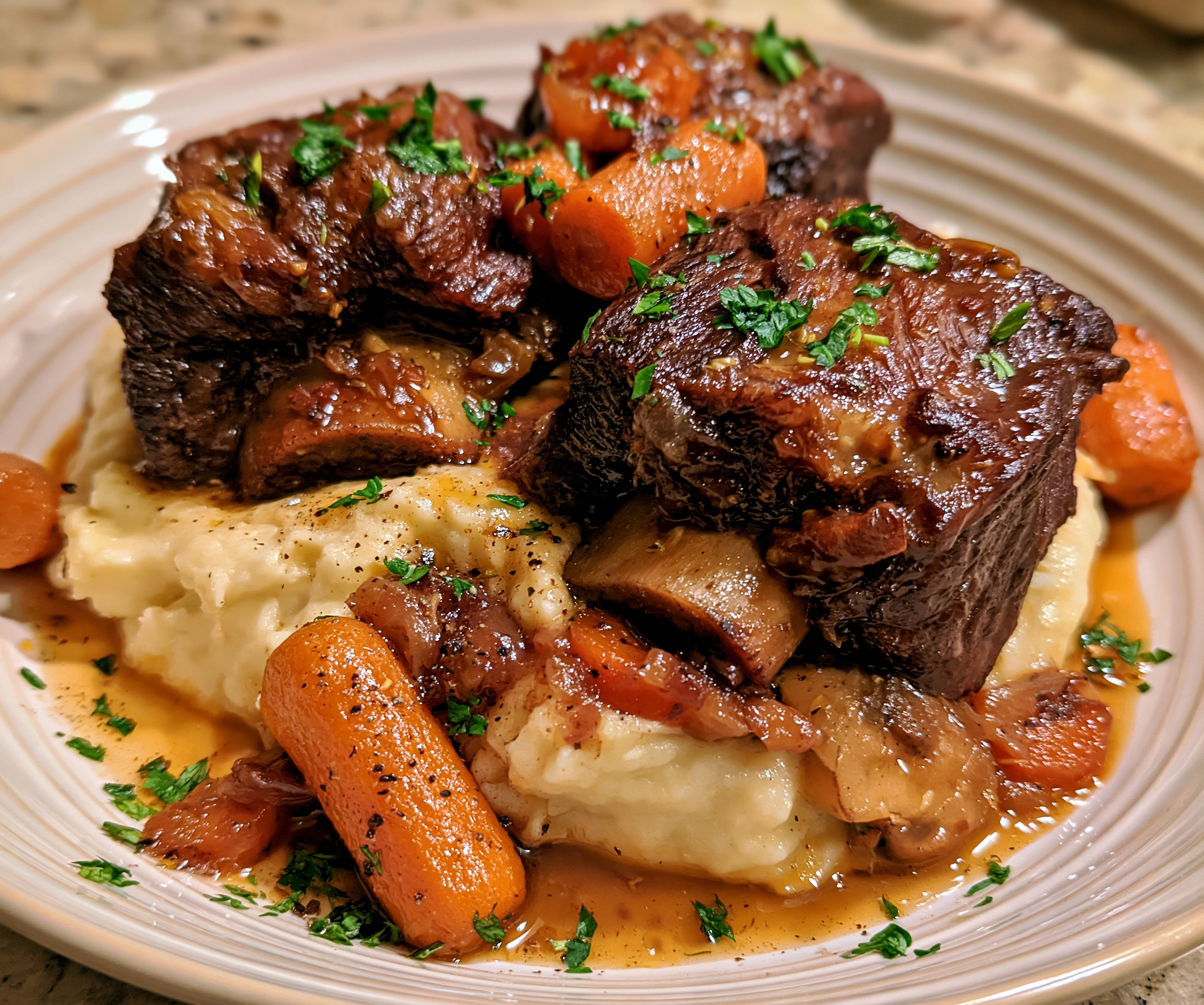
Serve these ribs over mashed potatoes or polenta, as photographed, with the glossy reduction spooned generously over the top. The mash catches every drop of sauce, which is half the pleasure of the dish. A simple green vegetable, such as green beans or a bitter salad, cuts the richness nicely.
For more serving ideas, explore our salads and sides for vegetable pairings and our pasta and rice recipes for polenta and grain bases. Each serving has approximately 680 calories, though values vary by rib fattiness and serving size.
These ribs taste even better made a day ahead, since an overnight chill lets the flavors meld and the fat rise for easy skimming. Cool the pot completely, refrigerate overnight, lift off the solid fat, and reheat gently in the sauce. The sauce turns cleaner and silkier after skimming, which is worth the wait.
Leftovers keep in the fridge for 3 to 4 days in their sauce, and the ribs freeze well for up to 3 months. Reheat low and slow with a splash of broth so the meat stays moist. The bones may slip out during storage, which only proves how tender the ribs are.
Conclusion
Wine Braised Short Ribs prove that true luxury does not require constant attention, only a good sear, good wine, and three unhurried hours. Fall-off-the-bone beef in a glossy red wine reduction over mash is the kind of dinner guests remember. It is deeply savory, quietly luxurious, and surprisingly calm to cook.
Give this recipe a try for your next special occasion, and I would love to hear your variations — your wine choice, your serving base, or your own sauce finish. For more braised beef, browse our Beef recipes, or try the wine-braised classic Beef Bourguignon for another weekend project.
Frequently Asked Questions
Bone-in or boneless short ribs?
Bone-in short ribs are the better choice because the bones add body to the sauce and help the meat stay moist through the long braise. Boneless ribs work too, though they cook a little faster, so start checking tenderness at 2 hours. Either way, choose well-marbled ribs, since lean ribs dry out over a long braise.
What wine should I use, and what if I skip it?
Use a dry red wine you would drink, such as Cabernet Sauvignon, Merlot, or Pinot Noir, since its flavor concentrates in the sauce. Avoid sweet wines and cooking wines, which turn harsh after reduction. If you skip wine, use beef broth plus 1 tablespoon of red wine vinegar, though the sauce tastes brighter and less deep.
What oven temperature and time?
Braise at 325°F for 2 and 1/2 to 3 hours, covered, until a fork slides into the meat with no resistance. Lower heat for longer gives even silkier meat, though 325°F is the reliable middle ground. Check once halfway and add a splash of broth if the liquid runs low.
How do I know they are done?
The fork test tells you: slide a fork into the thickest rib, and it should enter with no resistance while the meat yields easily. The meat may still cling to the bone, which is fine, since fall-off-the-bone happens at the very end of the range. If the fork meets resistance, give the pot another 30 minutes and test again.
Can I make them a day ahead?
Absolutely! Cool the pot completely, refrigerate overnight, and lift off the solid fat before reheating gently in the sauce. The overnight rest deepens the flavor and gives the cleanest, silkiest sauce after skimming. Reheat low and slow so the meat stays moist, and make the mash fresh for serving.
Luxurious Wine Braised Short Ribs
Bone-in short ribs seared hard and braised 3 hours in red wine and beef broth, finished as a rich reduction over mash.
4
servings20
minutes3
hours680
kcal3
hours20
minutesIngredients
- For the Ribs:
4 lb bone-in beef short ribs
Salt and black pepper, to taste
2 tbsp neutral oil
- For the Mirepoix and Herbs:
1 onion, diced
2 carrots, diced
2 celery stalks, diced
4 garlic cloves, smashed
2 tbsp tomato paste
4 fresh thyme sprigs
1 fresh rosemary sprig
2 bay leaves
- For the Braising Liquid:
2 cups dry red wine (Cabernet, Merlot, or Pinot Noir)
4 cups beef broth
- To Serve:
Mashed potatoes or polenta, as photographed
Chopped fresh parsley, for garnish
Directions
- Sear the Ribs Hard: Pat the ribs dry, season generously, and sear in batches over medium-high heat until deeply browned on all sides.
- Soften the Vegetables: Cook onion, carrots, and celery over medium heat for 6 to 8 minutes, adding garlic in the last minute.
- Cook the Tomato Paste and Deglaze: Cook tomato paste for 2 minutes until brick red, deglaze with red wine, and simmer 3 to 4 minutes.
- Braise Low for 3 Hours: Return the ribs, add broth and herbs, cover, and braise at 325°F for 2 and 1/2 to 3 hours until fork-tender.
- Strain, Reduce, and Serve: Lift the ribs out, strain and skim the sauce, reduce 8 to 10 minutes until spoon-coating, and serve over mash or polenta.
Notes
- Wine is a cooking ingredient; most alcohol cooks off during the long braise but never disappears completely. No-wine swap: beef broth plus 1 tablespoon red wine vinegar. Make-ahead: chill overnight, skim fat, reheat gently. Fridge 3 to 4 days; freezer up to 3 months.